
Sign up to save your podcasts
Or

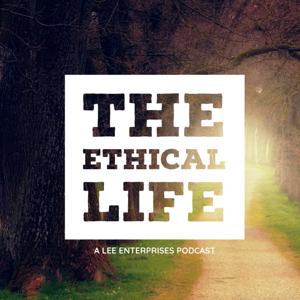

Episode 214: The killing of conservative activist Charlie Kirk sent shockwaves across the country, deepening fears that political violence is becoming an entrenched part of American life. While leaders on both sides rushed to cast blame, many ordinary citizens were left with a more practical concern: How can we continue living alongside one another when the divides seem sharper than ever?
Rather than revisiting the politics of the tragedy, hosts Richard Kyte and Scott Rada turn their attention to something both more personal and more universal: the fragile state of social bonds in an era of outrage.
The hosts ask whether trends like geographic sorting — liberals clustering in coastal cities, conservatives concentrating in rural towns — make communities stronger or weaker. They note how this “great sort” may bring comfort and solidarity, but also risks complacency, narrowing the space for neighbors to encounter genuine difference.
The conversation also tackles the culture wars over canceling and censorship. Kyte points out that both the left and right have embraced forms of speech suppression, often under different names. Whether labeled “cancel culture” or “censorship,” both carry the danger of driving unpopular ideas underground, where they often gain more power.
Instead, the hosts argue, persuasion and listening are the healthier alternatives. They highlight unusual pairings — like Ezra Klein and Ben Shapiro engaging in long, civil debate — as models for what’s missing in public life. Such exchanges may not change anyone’s core beliefs, but they can open space for understanding and reduce the tendency to see opponents as irrational or malevolent.
The episode also examines how everyday expressions of political identity — yard signs, slogans on T-shirts, bumper stickers — often do more to end conversations than start them. True free speech, Kyte suggests, isn’t just the right to declare one’s allegiance, but the freedom to ask sincere questions — the kind that can shift perspectives and rebuild trust.
 View all episodes
 By Scott Rada and Richard Kyte


3.8
2323 ratings
Episode 214: The killing of conservative activist Charlie Kirk sent shockwaves across the country, deepening fears that political violence is becoming an entrenched part of American life. While leaders on both sides rushed to cast blame, many ordinary citizens were left with a more practical concern: How can we continue living alongside one another when the divides seem sharper than ever?
Rather than revisiting the politics of the tragedy, hosts Richard Kyte and Scott Rada turn their attention to something both more personal and more universal: the fragile state of social bonds in an era of outrage.
The hosts ask whether trends like geographic sorting — liberals clustering in coastal cities, conservatives concentrating in rural towns — make communities stronger or weaker. They note how this “great sort” may bring comfort and solidarity, but also risks complacency, narrowing the space for neighbors to encounter genuine difference.
The conversation also tackles the culture wars over canceling and censorship. Kyte points out that both the left and right have embraced forms of speech suppression, often under different names. Whether labeled “cancel culture” or “censorship,” both carry the danger of driving unpopular ideas underground, where they often gain more power.
Instead, the hosts argue, persuasion and listening are the healthier alternatives. They highlight unusual pairings — like Ezra Klein and Ben Shapiro engaging in long, civil debate — as models for what’s missing in public life. Such exchanges may not change anyone’s core beliefs, but they can open space for understanding and reduce the tendency to see opponents as irrational or malevolent.
The episode also examines how everyday expressions of political identity — yard signs, slogans on T-shirts, bumper stickers — often do more to end conversations than start them. True free speech, Kyte suggests, isn’t just the right to declare one’s allegiance, but the freedom to ask sincere questions — the kind that can shift perspectives and rebuild trust.

90,795 Listeners
21,968 Listeners

43,986 Listeners

38,509 Listeners

43,647 Listeners

38,751 Listeners

27,173 Listeners
10,143 Listeners

7,705 Listeners
12,748 Listeners

112,451 Listeners

2,321 Listeners

16,356 Listeners
14,297 Listeners

10 Listeners

48 Listeners

16,001 Listeners
8 Listeners
4 Listeners

11 Listeners
8 Listeners