
Sign up to save your podcasts
Or

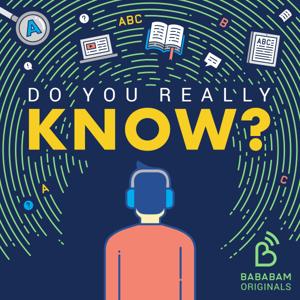

What is LSD microdosing? Thanks for asking!
What if it turned out LSD was more than just a hippy drug for those looking to go on a psychedelic trip? Researchers are convinced that microdosing, that is to say taking tiny quantities of LSD, could have a positive effect on productivity, pain and even depression. Let’s go back to 1930s Switzerland. Chemist Albert Hofmann is tearing his hair out, tasked with finding a new treatment to regulate blood pressure. LSD, or lysergic acid diethylamide, to give it its full name, was his 25th attempt, which is why it is known as LSD-25. It didn’t yield results immediately, but five years later Hofmann renewed his interest in the substance. He became the first person to ingest LSD, taking 250mg and experiencing an acid trip. So before hippies adopted LSD in the 60s, it was born in a lab. Many doctors, especially psychiatrists, sought to find therapeutic uses for it. But the war on drugs of the 1970s, and its prohibition policies, put a stop to that. Half a century later, Silicon Valley is bringing the substance back to centre stage.
Yoohoo, psychedelic algorithms coming up!
Well that’s not really the idea. Tech workers who talk up the benefits of microdosing only ingest a tenth or even less of a standard LSD dose, in order to improve their brain performance and overcome stress or tiredness. There’s no psychedelic trip, and it works with magic mushrooms too.
So once the drug of choice for hippies, LSD is now in the hands of capitalists! Is there any scientific basis behind all this? In under 3 minutes, we answer your questions!
To listen the last episodes, you can click here:
What is consent?
What is the US Supreme Court?
What is gaslighting?
See acast.com/privacy for privacy and opt-out information.
Learn more about your ad choices. Visit megaphone.fm/adchoices
 View all episodes
 By Bababam

4.9
1010 ratings
What is LSD microdosing? Thanks for asking!
What if it turned out LSD was more than just a hippy drug for those looking to go on a psychedelic trip? Researchers are convinced that microdosing, that is to say taking tiny quantities of LSD, could have a positive effect on productivity, pain and even depression. Let’s go back to 1930s Switzerland. Chemist Albert Hofmann is tearing his hair out, tasked with finding a new treatment to regulate blood pressure. LSD, or lysergic acid diethylamide, to give it its full name, was his 25th attempt, which is why it is known as LSD-25. It didn’t yield results immediately, but five years later Hofmann renewed his interest in the substance. He became the first person to ingest LSD, taking 250mg and experiencing an acid trip. So before hippies adopted LSD in the 60s, it was born in a lab. Many doctors, especially psychiatrists, sought to find therapeutic uses for it. But the war on drugs of the 1970s, and its prohibition policies, put a stop to that. Half a century later, Silicon Valley is bringing the substance back to centre stage.
Yoohoo, psychedelic algorithms coming up!
Well that’s not really the idea. Tech workers who talk up the benefits of microdosing only ingest a tenth or even less of a standard LSD dose, in order to improve their brain performance and overcome stress or tiredness. There’s no psychedelic trip, and it works with magic mushrooms too.
So once the drug of choice for hippies, LSD is now in the hands of capitalists! Is there any scientific basis behind all this? In under 3 minutes, we answer your questions!
To listen the last episodes, you can click here:
What is consent?
What is the US Supreme Court?
What is gaslighting?
See acast.com/privacy for privacy and opt-out information.
Learn more about your ad choices. Visit megaphone.fm/adchoices

10,953 Listeners

1,263 Listeners

450 Listeners

121 Listeners
1,413 Listeners
12,751 Listeners
2,584 Listeners

3,798 Listeners

1,007 Listeners
443 Listeners
4,796 Listeners

90 Listeners
542 Listeners
2,049 Listeners

31 Listeners
0 Listeners

0 Listeners