
Sign up to save your podcasts
Or

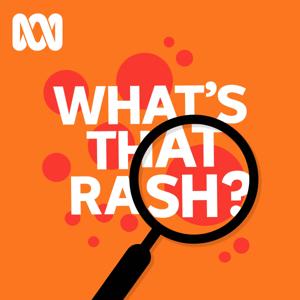
By ABC Australia


4.7
176176 ratings


The podcast currently has 829 episodes available.
The most played episodes among Podcast App listeners.
Have you ever spritzed your pillow with lavender and wondered, is this actually doing anything? There are some surprising ways that smells can affect sleep, and it might have something to do with how our brains work. Norman and Tegan discuss how smells, good and bad, could affect your nightly snooze. References:From antiquity to modern hygiene: the archaeological and medicinal legacy of lavender as a promising antimicrobial agentLavender and sleep: A systematic review of the evidence How Smell Affects Your Sleep – Sleep Foundation Reciprocal relationships between sleep and smell Subjectively intense odor does not affect dream emotions during rapid eye movement sleep Nocturnal exposure to a preferred ambient scent does not affect dream emotionality or post-sleep core affect valence in young adults Olfactory Aversive Conditioning during Sleep Reduces Cigarette-Smoking BehaviorIf you enjoyed this episode, check these out!Is farting a sign your gut microbiome is happy?Is melatonin the answer to a good night's sleep?Is a vibration plate worth the cost?

Not many people would argue that rest isn’t important, but how would you define a rest day? For an elite athlete a rest day could be going for a long walk. For your average person it could mean sitting on the couch. Norman and Tegan ask – why is rest important, and do you need it to make progress in the gym? References:'No pain, no gain' debunked: Why post-exercise soreness is not essential for building muscleSkeletal muscle and resistance exercise training; the role of protein synthesis in recovery and remodelingEffects of Different Between Test Rest Intervals in Reproducibility of the 10-Repetition Maximum Load Test: A Pilot Study with Recreationally Resistance Trained MenThe time course for elevated muscle protein synthesis following heavy resistance exercise Recovery and Performance in Sport: Consensus Statement Effects of Consecutive Versus Non-consecutive Days of Resistance Training on Strength, Body Composition, and Red Blood Cells Nonconsecutive versus consecutive-day resistance training in recreationally trained subjects Fatigue, pain, and the recovery of neuromuscular function after consecutive days of full-body resistance exercise in trained men Effects of Consecutive Days of Exercise and Recovery on Muscle Mechanical Function How much is too much? (Part 1) International Olympic Committee consensus statement on load in sport and risk of injury If you enjoyed this episode, check these out!Is retirement bad for you?Do the benefits of creatine go beyond the gym?Diet vs exercise: which is more important?
Do you feel better after a good cry, or do you feel worse than ever? There can be a lot to cry about, good or bad: a break-up, a milestone, a tragedy, a sappy movie. Norman and Tegan discuss why we evolved to cry, and the purpose it serves as we get older. References:The Riddle of Human Emotional Crying: A Challenge for Emotion ResearchersThe neurobiology of human cryingEmotional expression in human and non-human great apesUltra-processed food intake, cognitive function, and dementia risk: A cross-sectional study of middle-aged and older Australian adultsIf you enjoyed this episode, check these out!Butter vs margarine: what's better for you?How much protein do you REALLY need?Why is yawning contagious?
You might be hearing a lot about ultra-processed foods, or UPFs, and how we should all be avoiding them. But you might be struggling with figuring out what exactly IS an ultra-processed food. Sweetened drinks, sure. What about bread? Yoghurt? Norman and Tegan unpack why it isn’t a simple question, and where the evidence stands on the health consequences. *A previous version of this episode may have implied that the Food Standards Australia New Zealand (FSANZ) board is comprised of current food industry representatives that are directly involved in setting food policy. This was edited on 12/08/2026. References:Ultra-Processed Foods and Human Health - The Lancet seriesDiet quality and processed foods – Food Standards Australia and New ZealandMost of the Foods We Eat Are Ultra-Processed. Are They All Unhealthy? - Johns Hopkins Bloomberg School of Public HealthTrends of obesity and underweight in older children and adolescents in the United States, Brazil, China, and RussiaUltra-processed products are becoming dominant in the global food systemThe UN Decade of Nutrition, the NOVA food classification and the trouble with ultra-processingUltra-processed food exposure and adverse health outcomes: umbrella review of epidemiological meta-analysesUltra-Processed Diets Cause Excess Calorie Intake and Weight Gain: An Inpatient Randomized Controlled Trial of Ad Libitum Food IntakeThe collapse of the food matrix: how ultra-processed foods impact satiety and metabolism by altering physical structure beyond nutrient composition If you enjoyed this episode, check these out!Is gluten really the enemy?Why is everyone suddenly talking about seed oils?Why Norman won't shut up about the Mediterranean diet
Not everyone is a morning person, and not everyone can stay up past midnight. How hard-wired are our internal schedules? It’s long been suspected there was an evolutionary advantage to humans falling asleep and waking up at different times. Norman and Tegan unpack what are called chronotypes, and whether you can shift yours to better fit your lifestyle. References:Early bird trait might run in families - the Health ReportGenetic Basis of Chronotype in Humans: Insights From Three Landmark GWASA Length Polymorphism in the Circadian Clock Gene Per3 is Linked to Delayed Sleep Phase Syndrome and Extreme Diurnal PreferenceChronotype variation drives night-time sentinel-like behaviour in hunter–gatherers | Proceedings of the Royal Society B: Biological SciencesMindful larks and lonely owls: The relationship between chronotype, mental health, sleep quality, and social support in young adultsA systematic review of circadian function, chronotype and chronotherapy in attention deficit hyperactivity disorder | ADHD Attention Deficit and Hyperactivity DisordersHow to Become a Morning Person - Sleep FoundationResetting the late timing of ‘night owls’ has a positive impact on mental health and performanceChronotype changes with age; seven-year follow-up from the Netherlands study of depression and anxiety cohortFrom early birds to night owls: a longitudinal study of actigraphy-assessed sleep trajectories during the transition from pre- to early adolescenceThe morality of larks and owls: unethical behavior depends on chronotype as well as time of dayCheck out our other sleep episodes!What is the perfect nap duration?Rapid-fire round: Answering your sleep questionsCan you train yourself to sleep less?Is melatonin the answer to a good night's sleep?
The podcast currently has 829 episodes available.
96 Listeners
117 Listeners
58 Listeners
1,736 Listeners
773 Listeners
773 Listeners
136 Listeners
59 Listeners
66 Listeners
65 Listeners
314 Listeners
331 Listeners
939 Listeners

143 Listeners

10 Listeners
201 Listeners
114 Listeners
1,012 Listeners
19 Listeners
44 Listeners
68 Listeners
122 Listeners