
Sign up to save your podcasts
Or

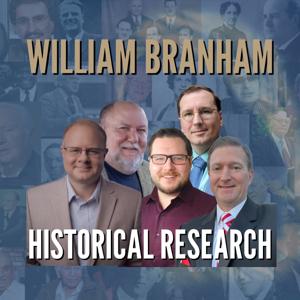


John and Cris discuss why people can become deeply attached to high-demand and high-control religious groups, beginning with vulnerability, the search for answers, and the sense of belonging that can make leaving difficult. They examine explanatory systems, cognitive closure, charismatic preaching, emotional experiences, and the way trust can shift toward a leader or movement.
Drawing on their experiences with charismatic and Branham-related environments, John and Cris explore how critical thinking can be weakened when spiritual advice becomes difficult to question. The conversation considers trust, church authority, Bible-based examination, inherited practices, burdensome rules, and the importance of testing teachings and leadership rather than accepting them solely because of an emotional experience.
______________________
Weaponized Religion: From Christian Identity to the NAR:
Paperback: https://www.amazon.com/dp/1735160962
Kindle: https://www.amazon.com/dp/B0DCGGZX3K
______________________
- Support the channel: https://www.patreon.com/branham
- Visit the website: https://william-branham.org
John examines how the establishment of the state of Israel in 1948 became linked to biblical prophecy within Pentecostal, Latter Rain, restorationist, British Israel, Christian Identity, charismatic, and later New Apostolic Reformation thought. He compares claims surrounding Ezekiel, Daniel, Joel, Malachi, Israel's restoration, the 1967 Six-Day War, and the development of an end-times framework centered on Israel.
The discussion follows these ideas through William Branham, the Latter Rain movement, restoration theology, the Feast of Tabernacles, Joel's Army, and the International House of Prayer in Kansas City. John focuses especially on the interpretive question raised when some details of an ancient prophecy are treated as modern fulfillment while other details are postponed, spiritualized, or excluded—and asks who ultimately has the authority to decide which parts apply.
______________________
Weaponized Religion: From Christian Identity to the NAR:
Paperback: https://www.amazon.com/dp/1735160962
Kindle: https://www.amazon.com/dp/B0DCGGZX3K
______________________
- Support the channel: https://www.patreon.com/branham
- Visit the website: https://william-branham.org
John and Pia explore the spiritual warfare system Pia learned through New Apostolic Reformation circles, including prophetic intercession, territorial spirits, spiritual mapping, prayer altars, generational curses, regional strongholds, fasting, prayer watches, and the belief that individuals could help transform cities through strategic prayer. Pia describes her experiences with Lou Engle, Cindy Jacobs, houses of prayer, extended fasting, and the intense sense of responsibility placed on young believers who were told they were preparing for an end-times spiritual battle.
They also compare this worldview with the fictional world of Harry Potter, examining the irony of rejecting fantasy stories while describing an unseen realm filled with spiritual enemies, special warriors, geographic strongholds, and cosmic conflict. Pia discusses the emotional consequences of believing that failed deliverance or unanswered prayer reflected personal failure, and John and Pia consider how these teachings can shape young people, discourage critical thinking, and turn ordinary struggles into battles against invisible forces.
______________________
Weaponized Religion: From Christian Identity to the NAR:
Paperback: https://www.amazon.com/dp/1735160962
Kindle: https://www.amazon.com/dp/B0DCGGZX3K
______________________
- Support the channel: https://www.patreon.com/branham
- Visit the website: https://william-branham.org
John invites Thison to share his experience growing up as a second-generation follower of William Branham in India. Thison describes his family's connection to Paul Asir Lari, an isolated childhood shaped by strict religious rules, his visits to the Voice of God Recordings office in Chennai, and the questions that gradually developed as he compared what he had been taught with the Bible.
Thison explains the family conflict that became a major turning point, his questions about serpent seed, interracial and intercaste marriage, prophecy, evangelism, authority, and fear-based religion, and the research that eventually led him to reconsider Branham's teachings. John and Thison also discuss what can trigger someone to question a deeply rooted belief system and the difficulty of helping family members who remain committed to it.
______________________
Weaponized Religion: From Christian Identity to the NAR:
Paperback: https://www.amazon.com/dp/1735160962
Kindle: https://www.amazon.com/dp/B0DCGGZX3K
______________________
- Support the channel: https://www.patreon.com/branham
- Visit the website: https://william-branham.org
John and Daniel examine the 1904-1905 Welsh Revival, questioning the familiar story that places Evan Roberts at its beginning. They discuss Joseph Jenkins, Seth Joshua, the revival's spread across Wales, Roberts' intense approach to prayer, reports of burnout, and the unusual way the movement crossed denominational lines without becoming a new denomination.
They also explore the connections between Wales and Los Angeles through figures such as Joseph Smale and Frank Bartleman, including the influence the Welsh Revival had on the religious environment surrounding Azusa Street. Along the way, John and Daniel debate what should actually qualify as a revival, how renewal differs from religious excitement, and why the Welsh Revival developed differently from many later Pentecostal and charismatic movements.
______________________
Weaponized Religion: From Christian Identity to the NAR:
Paperback: https://www.amazon.com/dp/1735160962
Kindle: https://www.amazon.com/dp/B0DCGGZX3K
______________________
- Support the channel: https://www.patreon.com/branham
- Visit the website: https://william-branham.org
John Collins and John McKinnon discuss how William Branham combined phrases from separate Bible passages into statements that were later repeated as though they were direct quotations from Scripture. They examine the frequently repeated phrase about being "born in sin, shaped in iniquity" and "coming into the world speaking lies," comparing its language with Psalm 51 and Psalm 58 and explaining why they believe the passages have different contexts and purposes.
They also explore exegesis, eisegesis, proof-texting, typology, private interpretation, and the risks of allowing a doctrinal conclusion to control how biblical passages are read. The discussion considers how repeated blended phrases can become accepted religious slogans and how those interpretations can influence later teachings about prophets, restoration, authority, and the meaning of Scripture.
______________________
Weaponized Religion: From Christian Identity to the NAR:
Paperback: https://www.amazon.com/dp/1735160962
Kindle: https://www.amazon.com/dp/B0DCGGZX3K
______________________
- Support the channel: https://www.patreon.com/branham
- Visit the website: https://william-branham.org
John and Chino discuss Romans 8 and the "manifestation of the sons of God," examining how Hobart Freeman and William Branham connected biblical passages with end-times urgency, elite groups of believers, the Latter Rain movement, restoration theology, and expectations that major prophetic events were about to occur. They revisit Freeman's teaching about the mark of the beast and Social Security numbers, his expectations surrounding Israel and 1967, and his repeated emphasis on preparation for manifestation.
They also examine the recurring pattern of interpreting current events through biblical prophecy, including rapture predictions, Nebuchadnezzar's dream, Eisenhower and Khrushchev, and claims surrounding iron and clay. Chino explains how Freeman understood Romans 8 and why he ultimately concluded that the passage does not identify a special group of believers as the ones responsible for delivering creation from corruption.
______________________
Weaponized Religion: From Christian Identity to the NAR:
Paperback: https://www.amazon.com/dp/1735160962
Kindle: https://www.amazon.com/dp/B0DCGGZX3K
______________________
- Support the channel: https://www.patreon.com/branham
- Visit the website: https://william-branham.org
John examines the recurring doomsday and apocalyptic themes he sees running through Pentecostal, Latter Rain, healing revival, charismatic, and New Apostolic Reformation history. He discusses failed predictions, end-times fixation, special revelation, unquestionable leadership, information control, and the repeated cycle of prophecy followed by reinterpretation, drawing connections among figures and movements discussed throughout the historical record presented here.
The discussion follows those themes from early influences such as Frank Sanford, Charles Fox Parham, John Alexander Dowie, William Miller, Edward Irving, and John Nelson Darby through William Branham, Gordon Lindsay, Chuck Smith, Hal Lindsey, Pat Robertson, and later charismatic networks. John argues that repeated emphasis on imminent catastrophe can create a culture of fear and urgency, and closes by contrasting that mindset with a life focused on loving others, caring for family, and building a healthier future.
______________________
Weaponized Religion: From Christian Identity to the NAR:
Paperback: https://www.amazon.com/dp/1735160962
Kindle: https://www.amazon.com/dp/B0DCGGZX3K
______________________
- Support the channel: https://www.patreon.com/branham
- Visit the website: https://william-branham.org
John and Anita discuss Anita's experience leaving the United Pentecostal Church after growing up as a third-generation member. Anita reflects on a sheltered upbringing, expectations surrounding hair and clothing, and the freedom to make everyday choices without feeling that each decision puts her faith in question. Together, they explore what "going wild" can mean for people raised with strict religious rules.
The conversation also examines Anita's accounts of loneliness, strained relationships, and the challenges of finding a welcoming church community for herself and her daughter. John shares experiences from his own former religious group as they discuss grace, salvation, pastoral authority, and reading Scripture in context. Anita emphasizes valuing people beyond outward appearances, offering practical support, and making newcomers feel included.
______________________
Weaponized Religion: From Christian Identity to the NAR:
Paperback: https://www.amazon.com/dp/1735160962
Kindle: https://www.amazon.com/dp/B0DCGGZX3K
______________________
- Support the channel: https://www.patreon.com/branham
- Visit the website: https://william-branham.org
John and Bob discuss the complicated dynamics behind church scandals, arguing that accountability cannot stop with exposing fallen leaders. They examine how hero status, unchecked authority, proximity, personal insecurity, ambition, and the absence of meaningful restraints can create environments where broken leaders and broken congregations collide.
Drawing from Bob's decades of counseling experience and John's historical examination of Pentecostal, Latter Rain, charismatic, and New Apostolic Reformation movements, they explore the "man of God" model, megachurch structures, apostles and prophets, Mike Bickle, Kansas City Fellowship, IHOP, and the dangers of creating religious figures who are treated as being beyond meaningful accountability.
______________________
Weaponized Religion: From Christian Identity to the NAR:
Paperback: https://www.amazon.com/dp/1735160962
Kindle: https://www.amazon.com/dp/B0DCGGZX3K
______________________
- Support the channel: https://www.patreon.com/branham
- Visit the website: https://william-branham.org
From the publisher's feed
Ranked by our users in the last 21 days

8,591 Listeners

1,950 Listeners
1,167 Listeners
915 Listeners
3,149 Listeners

2,884 Listeners

21,183 Listeners

5,412 Listeners

5,360 Listeners

1,093 Listeners
3,605 Listeners

812 Listeners

583 Listeners
443 Listeners
1,614 Listeners