
Sign up to save your podcasts
Or


Check out the collection of fidgets Team Shiny loves!
David and Isabelle are joined by David Flink and Marcus Soutra, co-founders of Eye to Eye, friends, and pioneers in education equity and empowering young neurodivergent folks to know and own their story and change the education system and world for the better. Go deep into how this youth-led movement started 25 years ago, the impacts Marcus and David have witnessed, and what it has always hinged upon: that our neurodivergent stories and culture matter and sharing them can change the lives of others for the better. To learn more about Eye to Eye, visit www.eyetoeyenational.org.
——
David wonders if, given that they have already attended the Organizing Institute of Eye to Eye—and should we talk about it as if it hasn’t already happened? Or as if they are about to go…? Marcus is up for whatever, David Flink points out that this is a really choose your own adventure intro. David Kessler has been involved with Eye to Eye for years and gives an introduction. David Flink and Marcus Soutra are very important people in Kessler’s (SSPOD co-host’s) story. Flink started Project Eye to Eye twenty years ago, he’s been nominated by CNN as person of the year, he’s created a network of community around neurodivergence spanning every state. Marcus is so much around the connections and relationships of this organization, being the boots on the ground, working with so many people in this industry, talking so much about neurodiversity and ADHD in general. What made you think about making the OI, what is it for? The event is the Young Leader’s Organizing Institute (OI), first one held in Jersey City in 2005, and held every year since, including virtually through the pandemic, and young people from around the country come together and build community through their learning difference, neurodivergence, learning how to be a leader and tell their story. It’s a youth-led movement, facilitates their work throughout the year. Some are already activists, and some are new to it. Isabelle names that this is incredible, people are coming and being real and vulnerable and its truly incredible. There are chapters from over 20 states, and two students from each chapter come together and learn real tangible skills to learn how to be leaders and lead a program. Every student coming represents another 10-20 students back home. This event has allowed us to give students the skills and puts their oxygen masks on first, rather than the masking of hiding who you are. How did Flink dream about making Eye to Eye in the first place? It was co-dreaming, it was celebrating 25 years since its inception, and he stepped on this campus 25 years ago. The original version was a pretty small dream. Nobody had told him with any authenticity that there was something about his learning experience was powerful and right. He hit the teacher and family lottery, he did have people cheering him on. He wanted kids to know they’re not alone. And it wasn’t until he met Marcus, they codreamed. They had different life experiences, what would it look like if we brought people from different backgrounds, different states. We need young people from all backgrounds finding their way to love each other through learning differently, and it’s helping educate educators so they can say yes to when young people say what they need. They are 1 in 5 of all students; we need to encourage cross communication between neurotypical and neurodivergent folks. Isabelle gives feedback on what the whole conference experience was like, where there were signs, and no fear sweat, chairs with wheels, fidgets everywhere, and then when someone talks, you actually want to listen. Flink names that there’s where they started, and it was all about people saying something we needed to hear. Flink gave Kessler (SSPOD co-host) a series of vague descriptions of people that were all wandering the airport, and he was going to find them all. David didn’t shame Flink, he was on it—tracking down the people, looking for people who looked lost or had Eye to Eye gear—it became this amazing quest. It was like a Collect ‘Em All Pokemon adventure, and it was screaming and excitement and it was so much fun. David names that for the next 25 years, our environment continues to be helpful, but we are an education equity organization, we are youth driven. We’re here to set up the next generation of young people to ask for what they need and change the school systems. There’s a need for them to say what they need to say. Kessler names that trauma bonding can happen in therapy, where people go into the gory details and it's not helpful. The idea of “sharing your story” can provoke eye rolls. One of the things you first need to know is your story—talk about your story, how you got there. David felt like a fraud, the last thing he wanted to do is to tell anyone how he got there, and then Marcus lead it off by sharing his story, and as he started hearing everyone’s stories, he realized how much he wasn’t alone, he was suddenly aware he was not deficient in this group, not different in this group. Was there a story in particular that spurred this on? The idea is to make this invisible visible, make the hidden culture visible, from how we experience the trauma of school (or home, or work, or family, etc.) Marcus can identify the dyslexic person who points to the menu instead of reading the menu at dinner, and he names it for them, there's a hidden aspect to this. Marcus had never met with David, and they had never met, but 9/10 they connected on things. Marcus was running an Eye to Eye chapter after school, and working with mentors, and running the art room (where they build social/emotional skills) and the idea was the invention project. Einstein was dyslexic and he was an inventor, so think make an invention that addresses the biggest thing that trips you up. One kid said “I hate school because I get bullied for using extended time on tests,” and he created this invention called Bully Be Gone—he called them death stars—the way he was able to use art and have near peer role models help him navigate that problem. For a 19 year old, a 10 year old—it didn’t matter where we were from, the emotional experience and the ability to connect and communicate with each other. That was where it was. Isabelle wonders about David and Marcus’ meet cute—and she recognizes that bullying is a massive trauma, especially when it goes unrecognized and unacknowledged. It changes how you relate to others and yourself, and it’s this big deal thing, and you’re then able to put art, movement, expression to it because it goes beyond words, and what it means for the older kid/youth—what it means for them to do that. We all want to spare others the suffering others went through—you go into this work because you want the world to not have that, and she’s struck by the amount of healing—what happens when you change the outcome of another person’s story, and that you matter (and it’s also not your job or role to), but what it means to transmute that wound —aka trauma mastery. Marcus names that he sees this with his mentors—the first thing he says is, your story matters and it can change the life of someone else.
========
To learn more about Eye to Eye, visit www.eyetoeyenational.org
-----
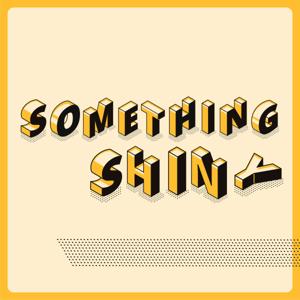
Cover Art by: Sol Vázquez
Technical Support by: Bobby Richards
Special Thanks to: Marcus Soutra and David Flink, co-founders of Eye to Eye, for their honesty and heart, Sabrina Odigie for her logistical wizardry, and Philister Lukacevic, Eye to Eye Director of Marketing and Communications fo...
 View all episodes
 By David Kessler & Isabelle Richards
5
5656 ratings
Check out the collection of fidgets Team Shiny loves!
David and Isabelle are joined by David Flink and Marcus Soutra, co-founders of Eye to Eye, friends, and pioneers in education equity and empowering young neurodivergent folks to know and own their story and change the education system and world for the better. Go deep into how this youth-led movement started 25 years ago, the impacts Marcus and David have witnessed, and what it has always hinged upon: that our neurodivergent stories and culture matter and sharing them can change the lives of others for the better. To learn more about Eye to Eye, visit www.eyetoeyenational.org.
——
David wonders if, given that they have already attended the Organizing Institute of Eye to Eye—and should we talk about it as if it hasn’t already happened? Or as if they are about to go…? Marcus is up for whatever, David Flink points out that this is a really choose your own adventure intro. David Kessler has been involved with Eye to Eye for years and gives an introduction. David Flink and Marcus Soutra are very important people in Kessler’s (SSPOD co-host’s) story. Flink started Project Eye to Eye twenty years ago, he’s been nominated by CNN as person of the year, he’s created a network of community around neurodivergence spanning every state. Marcus is so much around the connections and relationships of this organization, being the boots on the ground, working with so many people in this industry, talking so much about neurodiversity and ADHD in general. What made you think about making the OI, what is it for? The event is the Young Leader’s Organizing Institute (OI), first one held in Jersey City in 2005, and held every year since, including virtually through the pandemic, and young people from around the country come together and build community through their learning difference, neurodivergence, learning how to be a leader and tell their story. It’s a youth-led movement, facilitates their work throughout the year. Some are already activists, and some are new to it. Isabelle names that this is incredible, people are coming and being real and vulnerable and its truly incredible. There are chapters from over 20 states, and two students from each chapter come together and learn real tangible skills to learn how to be leaders and lead a program. Every student coming represents another 10-20 students back home. This event has allowed us to give students the skills and puts their oxygen masks on first, rather than the masking of hiding who you are. How did Flink dream about making Eye to Eye in the first place? It was co-dreaming, it was celebrating 25 years since its inception, and he stepped on this campus 25 years ago. The original version was a pretty small dream. Nobody had told him with any authenticity that there was something about his learning experience was powerful and right. He hit the teacher and family lottery, he did have people cheering him on. He wanted kids to know they’re not alone. And it wasn’t until he met Marcus, they codreamed. They had different life experiences, what would it look like if we brought people from different backgrounds, different states. We need young people from all backgrounds finding their way to love each other through learning differently, and it’s helping educate educators so they can say yes to when young people say what they need. They are 1 in 5 of all students; we need to encourage cross communication between neurotypical and neurodivergent folks. Isabelle gives feedback on what the whole conference experience was like, where there were signs, and no fear sweat, chairs with wheels, fidgets everywhere, and then when someone talks, you actually want to listen. Flink names that there’s where they started, and it was all about people saying something we needed to hear. Flink gave Kessler (SSPOD co-host) a series of vague descriptions of people that were all wandering the airport, and he was going to find them all. David didn’t shame Flink, he was on it—tracking down the people, looking for people who looked lost or had Eye to Eye gear—it became this amazing quest. It was like a Collect ‘Em All Pokemon adventure, and it was screaming and excitement and it was so much fun. David names that for the next 25 years, our environment continues to be helpful, but we are an education equity organization, we are youth driven. We’re here to set up the next generation of young people to ask for what they need and change the school systems. There’s a need for them to say what they need to say. Kessler names that trauma bonding can happen in therapy, where people go into the gory details and it's not helpful. The idea of “sharing your story” can provoke eye rolls. One of the things you first need to know is your story—talk about your story, how you got there. David felt like a fraud, the last thing he wanted to do is to tell anyone how he got there, and then Marcus lead it off by sharing his story, and as he started hearing everyone’s stories, he realized how much he wasn’t alone, he was suddenly aware he was not deficient in this group, not different in this group. Was there a story in particular that spurred this on? The idea is to make this invisible visible, make the hidden culture visible, from how we experience the trauma of school (or home, or work, or family, etc.) Marcus can identify the dyslexic person who points to the menu instead of reading the menu at dinner, and he names it for them, there's a hidden aspect to this. Marcus had never met with David, and they had never met, but 9/10 they connected on things. Marcus was running an Eye to Eye chapter after school, and working with mentors, and running the art room (where they build social/emotional skills) and the idea was the invention project. Einstein was dyslexic and he was an inventor, so think make an invention that addresses the biggest thing that trips you up. One kid said “I hate school because I get bullied for using extended time on tests,” and he created this invention called Bully Be Gone—he called them death stars—the way he was able to use art and have near peer role models help him navigate that problem. For a 19 year old, a 10 year old—it didn’t matter where we were from, the emotional experience and the ability to connect and communicate with each other. That was where it was. Isabelle wonders about David and Marcus’ meet cute—and she recognizes that bullying is a massive trauma, especially when it goes unrecognized and unacknowledged. It changes how you relate to others and yourself, and it’s this big deal thing, and you’re then able to put art, movement, expression to it because it goes beyond words, and what it means for the older kid/youth—what it means for them to do that. We all want to spare others the suffering others went through—you go into this work because you want the world to not have that, and she’s struck by the amount of healing—what happens when you change the outcome of another person’s story, and that you matter (and it’s also not your job or role to), but what it means to transmute that wound —aka trauma mastery. Marcus names that he sees this with his mentors—the first thing he says is, your story matters and it can change the life of someone else.
========
To learn more about Eye to Eye, visit www.eyetoeyenational.org
-----
Cover Art by: Sol Vázquez
Technical Support by: Bobby Richards
Special Thanks to: Marcus Soutra and David Flink, co-founders of Eye to Eye, for their honesty and heart, Sabrina Odigie for her logistical wizardry, and Philister Lukacevic, Eye to Eye Director of Marketing and Communications fo...
2,553 Listeners
3,288 Listeners
14,620 Listeners

12,060 Listeners

56,509 Listeners
16,909 Listeners

368,930 Listeners
6,384 Listeners

29,185 Listeners
5,371 Listeners
41,550 Listeners
10,507 Listeners

19,676 Listeners
13,472 Listeners
10,597 Listeners