
Sign up to save your podcasts
Or

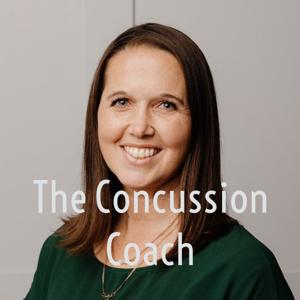

Guest Introduction
Rick Griffin is the founder and CEO of the Neuro Leadership Academy, an organization dedicated to demystifying neuroscience and making it actionable for everyday life, leadership, and healing. With a master's degree in education, Rick is known for translating complex brain science into engaging, usable concepts.
Before launching Neuro Leadership Academy, he spent decades as the executive director of a trauma-informed therapeutic residential program for teens, witnessing firsthand how past struggles shape present behavior. This experience ignited his passion to understand the brain's role in trauma and resilience.
Rick is a renowned speaker and developer of programs used by schools, businesses, and community organizations, including the Certified Trauma-Informed Specialist micro-credential. He now focuses on writing, teaching, and designing training that applies neuroscience to leadership, learning, relationship-building, and culture, helping people move from being trauma-informed to what he calls "neuro-informed."
Summary / Key Takeaways:
In this enlightening conversation, Rick Griffin explains the core concept of the brain as a prediction machine. Our experiences aren't direct recordings of reality, but constructions created by our brain based on sensory input and past experiences. Its primary job is to keep us safe by asking: "Is this a threat, or is this a resource?"
Key Insights:
Prediction Over Perception: We don't just react to the world; our brain constantly predicts what will happen next based on past patterns to conserve energy and ensure survival.
The Threat Bias: The brain's default setting leans toward predicting potential threats (e.g., "Is that something that will eat me?"). This is the root of the stress/trauma response.
From Trauma-Informed to Neuro-Informed: Understanding behavior shifts from "What happened to you?" to "How is your brain preparing you for what's happening right now?" This removes blame and focuses on the brain's protective, biological function.
Healing Through Prediction: Recovery—from trauma or concussion—involves helping the brain make new, safer predictions. By intentionally introducing safe, positive sensory experiences (sights, smells, sounds, connection), we can create predictions that update the brain's model of the world.
Agency & The "Sensory Buffet": With 11 million sensory inputs processed every second, we have immense power to influence our state. We can "stamp" resilience into simple cues (a mint, a coin, a song) and use them to ground ourselves or others.
Application to Concussion Recovery: Symptoms like brain fog, fatigue, and anxiety are not signs of a "broken" brain, but of a brain in protection mode, reallocating energy to heal. Recognizing this allows for self-compassion and intentional practices (like rest and calibrated sensory input) to support the healing process.
Resources Mentioned by Rick:
Book: How Emotions Are Made: The Secret Life of the Brain by Dr. Lisa Feldman Barrett. This book was Rick's gateway into understanding the predictive brain.
Website: Neuro-LA.com (Home of the NeuroLeadership Academy)
Newsletter/Substack: Neuro Notes – Weekly articles on neuro-informed practices. Subscribe at: https://rickgriffin894.substack.com
LinkedIn: linkedin.com/in/rick-griffin-nla
Email: [email protected] (He welcomes engagement and questions)
Services: Rick offers keynote speaking, virtual and in-person training, workshops, and consulting for organizations. He also has a series of eBooks available. Contact him via email or his website for more information.
Bethany Lewis & The Concussion Coach:
Free Guide: "5 Best Ways to Support Your Loved One Dealing with a Concussion" - Download at www.theconcussioncoach.com
Concussion Coaching Program: For personalized mentorship in recovery. Sign up for a free consultation HERE
 View all episodes
 By Bethany Lewis

4.8
2020 ratings
Guest Introduction
Rick Griffin is the founder and CEO of the Neuro Leadership Academy, an organization dedicated to demystifying neuroscience and making it actionable for everyday life, leadership, and healing. With a master's degree in education, Rick is known for translating complex brain science into engaging, usable concepts.
Before launching Neuro Leadership Academy, he spent decades as the executive director of a trauma-informed therapeutic residential program for teens, witnessing firsthand how past struggles shape present behavior. This experience ignited his passion to understand the brain's role in trauma and resilience.
Rick is a renowned speaker and developer of programs used by schools, businesses, and community organizations, including the Certified Trauma-Informed Specialist micro-credential. He now focuses on writing, teaching, and designing training that applies neuroscience to leadership, learning, relationship-building, and culture, helping people move from being trauma-informed to what he calls "neuro-informed."
Summary / Key Takeaways:
In this enlightening conversation, Rick Griffin explains the core concept of the brain as a prediction machine. Our experiences aren't direct recordings of reality, but constructions created by our brain based on sensory input and past experiences. Its primary job is to keep us safe by asking: "Is this a threat, or is this a resource?"
Key Insights:
Prediction Over Perception: We don't just react to the world; our brain constantly predicts what will happen next based on past patterns to conserve energy and ensure survival.
The Threat Bias: The brain's default setting leans toward predicting potential threats (e.g., "Is that something that will eat me?"). This is the root of the stress/trauma response.
From Trauma-Informed to Neuro-Informed: Understanding behavior shifts from "What happened to you?" to "How is your brain preparing you for what's happening right now?" This removes blame and focuses on the brain's protective, biological function.
Healing Through Prediction: Recovery—from trauma or concussion—involves helping the brain make new, safer predictions. By intentionally introducing safe, positive sensory experiences (sights, smells, sounds, connection), we can create predictions that update the brain's model of the world.
Agency & The "Sensory Buffet": With 11 million sensory inputs processed every second, we have immense power to influence our state. We can "stamp" resilience into simple cues (a mint, a coin, a song) and use them to ground ourselves or others.
Application to Concussion Recovery: Symptoms like brain fog, fatigue, and anxiety are not signs of a "broken" brain, but of a brain in protection mode, reallocating energy to heal. Recognizing this allows for self-compassion and intentional practices (like rest and calibrated sensory input) to support the healing process.
Resources Mentioned by Rick:
Book: How Emotions Are Made: The Secret Life of the Brain by Dr. Lisa Feldman Barrett. This book was Rick's gateway into understanding the predictive brain.
Website: Neuro-LA.com (Home of the NeuroLeadership Academy)
Newsletter/Substack: Neuro Notes – Weekly articles on neuro-informed practices. Subscribe at: https://rickgriffin894.substack.com
LinkedIn: linkedin.com/in/rick-griffin-nla
Email: [email protected] (He welcomes engagement and questions)
Services: Rick offers keynote speaking, virtual and in-person training, workshops, and consulting for organizations. He also has a series of eBooks available. Contact him via email or his website for more information.
Bethany Lewis & The Concussion Coach:
Free Guide: "5 Best Ways to Support Your Loved One Dealing with a Concussion" - Download at www.theconcussioncoach.com
Concussion Coaching Program: For personalized mentorship in recovery. Sign up for a free consultation HERE

43,617 Listeners

12,201 Listeners

11,046 Listeners

7,259 Listeners

370,444 Listeners

47,904 Listeners

10,482 Listeners
57 Listeners

29,318 Listeners
81 Listeners
666 Listeners

2,059 Listeners

13,639 Listeners
10 Listeners

12,421 Listeners