
Sign up to save your podcasts
Or

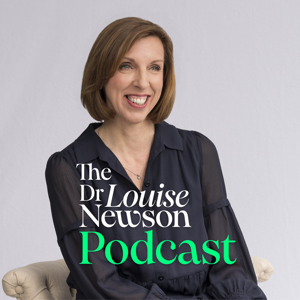

Regular listeners will know there is much more to the menopause than hot flushes – but how do hormone changes affect your memory, mood and cognition?
This week Dr Louise is joined by Dr Dan Reisel, Specialist Registrar in gynaecology at University College London and Newson Health Clinical Research Lead, to take a closer look at the relationship between hormones and brain health.
Dr Dan says awareness is improving, but researchers must up their game when it comes to studying the female brain. While mood and memory symptoms are common in menopause, too often, studies focus on male brains as they don’t want to deal with the complexity of female sex hormones, he adds.
Dr Dan’s three take home tips:
1. If you’re going through the perimenopause or menopause and struggling with symptoms, don’t just accept how you feel. Seek out options for treatment such as HRT that can improve your symptoms.
2. Become an advocate for better care for women going through the menopause – speak to your friends, healthcare professionals and colleagues about your experiences.
3. If you are offered the chance to take part in research seize that opportunity to make your voice heard and improve the experience for women in the future.
You can follow Dr Dan on Twitter at @danreisel
 View all episodes
 By Dr Louise Newson

4.9
115115 ratings
Regular listeners will know there is much more to the menopause than hot flushes – but how do hormone changes affect your memory, mood and cognition?
This week Dr Louise is joined by Dr Dan Reisel, Specialist Registrar in gynaecology at University College London and Newson Health Clinical Research Lead, to take a closer look at the relationship between hormones and brain health.
Dr Dan says awareness is improving, but researchers must up their game when it comes to studying the female brain. While mood and memory symptoms are common in menopause, too often, studies focus on male brains as they don’t want to deal with the complexity of female sex hormones, he adds.
Dr Dan’s three take home tips:
1. If you’re going through the perimenopause or menopause and struggling with symptoms, don’t just accept how you feel. Seek out options for treatment such as HRT that can improve your symptoms.
2. Become an advocate for better care for women going through the menopause – speak to your friends, healthcare professionals and colleagues about your experiences.
3. If you are offered the chance to take part in research seize that opportunity to make your voice heard and improve the experience for women in the future.
You can follow Dr Dan on Twitter at @danreisel

246 Listeners

642 Listeners

3,828 Listeners

1,120 Listeners

204 Listeners

1,252 Listeners

142 Listeners

186 Listeners
189 Listeners

2,068 Listeners
68 Listeners

501 Listeners
98 Listeners

57 Listeners