
Sign up to save your podcasts
Or


Send us Fan Mail
Prophecy gets real when you stop assuming tomorrow will look like yesterday. We close out the season by walking verse by verse through Doctrine and Covenants 133 and reading it with the Book of Enoch in mind, because that context changes what words like “ungodly,” “judgment,” and “prepare” are doing on the page. I also share why we’re taking a short break and what I’m building next: a Book of Enoch reference guide designed to make Enoch easier to study without needing to tackle a 1,200-page commentary.
From “come out of Babylon” to solemn assemblies, we talk about holiness as kadosh separation and why Zion is described as refuge, not fantasy. We dig into the gathering of Israel “from the four winds” and even “from one end of heaven to the other,” then zoom in on the practical implications: Gentiles first, Jews last, and two distinct gathering points, New Jerusalem and Jerusalem. We also explore prophetic details around the Temple Mount, the Mount of Olives, and the idea of sacred structures connected to the last days.
Then we go straight into the strange stuff D&C 133 refuses to apologize for: the “great deep,” islands becoming one land, the earth returning to how it was before it was divided, and the “north countries.” I lay out multiple historical accounts that attribute to Joseph Smith a dramatic explanation of the lost ten tribes returning with a restored portion of the earth, plus why that claim is tied to “stars falling,” restitution of all things, and the future role of the 144,000. We end with a blunt warning about pride, a plea to study Isaiah, and a simple invitation to seek.
Subscribe for the next season, share this with someone who wrestles with prophecy, and leave a review if this show helps you think more clearly. What part of D&C 133 do you find hardest to take literally?
Support the show
They that seek shall find
 View all episodes
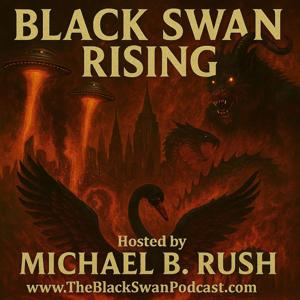
 By Michael B. Rush

4.9
329329 ratings
Send us Fan Mail
Prophecy gets real when you stop assuming tomorrow will look like yesterday. We close out the season by walking verse by verse through Doctrine and Covenants 133 and reading it with the Book of Enoch in mind, because that context changes what words like “ungodly,” “judgment,” and “prepare” are doing on the page. I also share why we’re taking a short break and what I’m building next: a Book of Enoch reference guide designed to make Enoch easier to study without needing to tackle a 1,200-page commentary.
From “come out of Babylon” to solemn assemblies, we talk about holiness as kadosh separation and why Zion is described as refuge, not fantasy. We dig into the gathering of Israel “from the four winds” and even “from one end of heaven to the other,” then zoom in on the practical implications: Gentiles first, Jews last, and two distinct gathering points, New Jerusalem and Jerusalem. We also explore prophetic details around the Temple Mount, the Mount of Olives, and the idea of sacred structures connected to the last days.
Then we go straight into the strange stuff D&C 133 refuses to apologize for: the “great deep,” islands becoming one land, the earth returning to how it was before it was divided, and the “north countries.” I lay out multiple historical accounts that attribute to Joseph Smith a dramatic explanation of the lost ten tribes returning with a restored portion of the earth, plus why that claim is tied to “stars falling,” restitution of all things, and the future role of the 144,000. We end with a blunt warning about pride, a plea to study Isaiah, and a simple invitation to seek.
Subscribe for the next season, share this with someone who wrestles with prophecy, and leave a review if this show helps you think more clearly. What part of D&C 133 do you find hardest to take literally?
Support the show
They that seek shall find

1,517 Listeners

1,038 Listeners

1,188 Listeners

1,067 Listeners
1,837 Listeners
2,695 Listeners
11,025 Listeners
1,009 Listeners

615 Listeners
574 Listeners

1,586 Listeners
2,029 Listeners
830 Listeners

17 Listeners

38 Listeners