
Sign up to save your podcasts
Or

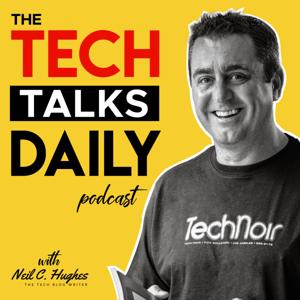

When most people think of Wikipedia, they picture an endless scroll of human-readable pages. But there's another side to this ecosystem, one designed not just for people but also for machines. It's called Wikidata, and if you haven't heard of it, that's exactly why this conversation matters.
In this episode of Tech Talks Daily, I'm joined by Lydia Pintscher, Wikidata Portfolio Manager at Wikimedia Deutschland, for a deep look into how structured, open data is quietly powering civic tech, cultural preservation, and knowledge equity across the globe.
Wikidata is the backbone that helps turn static knowledge into something living, adaptable, and scalable. With over 117 million items, 1.65 billion semantic statements, and more than 2.34 billion edits, it's become one of the largest collaborative datasets in the world. But it's not just the size that makes it impressive. It's what people are doing with it. Lydia shares how volunteers and developers are building tools for everything from investigative journalism to public libraries, all without needing deep pockets or proprietary infrastructure.
This isn't big tech. It's a global, grassroots movement making open data work for the public good. We explore how tools like Toolforge and the Wikidata Query Service lower the barrier to entry, allowing civil society groups to build sophisticated applications that would otherwise be out of reach. Whether it's helping connect citizens to government services or preserving disappearing languages, the use cases are multiplying fast.
Lydia also reflects on how Wikidata fosters a sense of purpose for contributors, offering a rare example of what many call the good internet, where collaboration outweighs competition and building something meaningful beats chasing virality.
If you're curious about where open knowledge is headed, how structured data can be a force for social impact, or why Wikidata might be the most important project you've never fully explored, this episode offers a window into a future where machines help humans build something better, together.
 View all episodes
 By Neil C. Hughes
5
198198 ratings
When most people think of Wikipedia, they picture an endless scroll of human-readable pages. But there's another side to this ecosystem, one designed not just for people but also for machines. It's called Wikidata, and if you haven't heard of it, that's exactly why this conversation matters.
In this episode of Tech Talks Daily, I'm joined by Lydia Pintscher, Wikidata Portfolio Manager at Wikimedia Deutschland, for a deep look into how structured, open data is quietly powering civic tech, cultural preservation, and knowledge equity across the globe.
Wikidata is the backbone that helps turn static knowledge into something living, adaptable, and scalable. With over 117 million items, 1.65 billion semantic statements, and more than 2.34 billion edits, it's become one of the largest collaborative datasets in the world. But it's not just the size that makes it impressive. It's what people are doing with it. Lydia shares how volunteers and developers are building tools for everything from investigative journalism to public libraries, all without needing deep pockets or proprietary infrastructure.
This isn't big tech. It's a global, grassroots movement making open data work for the public good. We explore how tools like Toolforge and the Wikidata Query Service lower the barrier to entry, allowing civil society groups to build sophisticated applications that would otherwise be out of reach. Whether it's helping connect citizens to government services or preserving disappearing languages, the use cases are multiplying fast.
Lydia also reflects on how Wikidata fosters a sense of purpose for contributors, offering a rare example of what many call the good internet, where collaboration outweighs competition and building something meaningful beats chasing virality.
If you're curious about where open knowledge is headed, how structured data can be a force for social impact, or why Wikidata might be the most important project you've never fully explored, this episode offers a window into a future where machines help humans build something better, together.
1,286 Listeners

533 Listeners
1,639 Listeners
1,092 Listeners
166 Listeners
111 Listeners
303 Listeners
334 Listeners
269 Listeners
207 Listeners

9,927 Listeners
5,511 Listeners

349 Listeners

93 Listeners
616 Listeners
0 Listeners
0 Listeners
0 Listeners
0 Listeners

0 Listeners
0 Listeners
0 Listeners