
Sign up to save your podcasts
Or

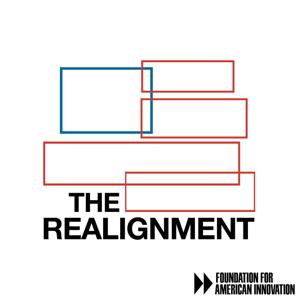

Subscribe to The Realignment to access our exclusive Q&A episodes and support the show: https://realignment.supercast.com/
REALIGNMENT NEWSLETTER: https://therealignment.substack.com/
PURCHASE BOOKS AT OUR BOOKSHOP: https://bookshop.org/shop/therealignment
Email Us: [email protected]
Foundation for American Innovation: https://www.thefai.org/posts/lincoln-becomes-fai
Stephanie Ternullo, author of How the Heartland Went Red: Why Local Forces Matter in an Age of Nationalized Politics and Assistant Professor of Government at Harvard University, joins The Realignment. Marshall and Stephanie discuss how focusing on local contexts helps explain why White voters continue to shift to the right, why the New Deal coalition broke down, the debate over whether all politics is local or increasingly nationalized, and how these dynamics defined the 2016 and 2020 elections.
 View all episodes
 By The Realignment

4.8
24222,422 ratings
Subscribe to The Realignment to access our exclusive Q&A episodes and support the show: https://realignment.supercast.com/
REALIGNMENT NEWSLETTER: https://therealignment.substack.com/
PURCHASE BOOKS AT OUR BOOKSHOP: https://bookshop.org/shop/therealignment
Email Us: [email protected]
Foundation for American Innovation: https://www.thefai.org/posts/lincoln-becomes-fai
Stephanie Ternullo, author of How the Heartland Went Red: Why Local Forces Matter in an Age of Nationalized Politics and Assistant Professor of Government at Harvard University, joins The Realignment. Marshall and Stephanie discuss how focusing on local contexts helps explain why White voters continue to shift to the right, why the New Deal coalition broke down, the debate over whether all politics is local or increasingly nationalized, and how these dynamics defined the 2016 and 2020 elections.

1,940 Listeners

2,452 Listeners
2,274 Listeners

1,436 Listeners

7,225 Listeners
688 Listeners
501 Listeners

63 Listeners

823 Listeners

208 Listeners

9,989 Listeners

91 Listeners
152 Listeners

150 Listeners

35 Listeners