
Sign up to save your podcasts
Or

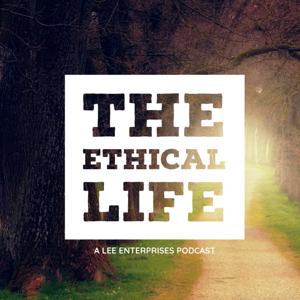

Episode 190: Hosts Richard Kyte and Scott Rada discuss the complex and often uncomfortable topic of what constitutes a "good death" in modern society.
They discuss the challenges of medical technology's ability to prolong life, even when the quality of life has significantly diminished. Kyte emphasizes that death is inherently painful, both physically and emotionally, and argues that the focus should be on avoiding unnecessarily prolonged suffering.
The hosts explore various aspects of end-of-life care, highlighting the importance of advanced directives and open family conversations. Kyte strongly advocates for individuals to prepare comprehensive end-of-life documents, including appointing a durable power of attorney and clearly communicating personal wishes to family members.
A significant portion of the conversation addresses the controversial topic of medical aid in dying. While 10 states currently have laws allowing terminally ill patients to choose medical assistance in ending their lives, Kyte expresses reservations. He believes the medical profession's primary role should be to save lives and relieve suffering, not to end them actively.
The hosts also discuss the modern practice of "outsourcing" death care, contrasting current funeral practices with historical approaches where families were more directly involved in preparing and mourning their deceased loved ones. They argued that this distancing has contributed to society's discomfort with discussing death.
About the hosts
Scott Rada is a digital strategist with Lee Enterprises, and Richard Kyte is the director of the D.B. Reinhart Institute for Ethics in Leadership at Viterbo University in La Crosse, Wisconsin. He is also the author of "Finding Your Third Place: Building Happier Communities (and Making Great Friends Along the Way)."
 View all episodes
 By Scott Rada and Richard Kyte


3.8
2323 ratings
Episode 190: Hosts Richard Kyte and Scott Rada discuss the complex and often uncomfortable topic of what constitutes a "good death" in modern society.
They discuss the challenges of medical technology's ability to prolong life, even when the quality of life has significantly diminished. Kyte emphasizes that death is inherently painful, both physically and emotionally, and argues that the focus should be on avoiding unnecessarily prolonged suffering.
The hosts explore various aspects of end-of-life care, highlighting the importance of advanced directives and open family conversations. Kyte strongly advocates for individuals to prepare comprehensive end-of-life documents, including appointing a durable power of attorney and clearly communicating personal wishes to family members.
A significant portion of the conversation addresses the controversial topic of medical aid in dying. While 10 states currently have laws allowing terminally ill patients to choose medical assistance in ending their lives, Kyte expresses reservations. He believes the medical profession's primary role should be to save lives and relieve suffering, not to end them actively.
The hosts also discuss the modern practice of "outsourcing" death care, contrasting current funeral practices with historical approaches where families were more directly involved in preparing and mourning their deceased loved ones. They argued that this distancing has contributed to society's discomfort with discussing death.
About the hosts
Scott Rada is a digital strategist with Lee Enterprises, and Richard Kyte is the director of the D.B. Reinhart Institute for Ethics in Leadership at Viterbo University in La Crosse, Wisconsin. He is also the author of "Finding Your Third Place: Building Happier Communities (and Making Great Friends Along the Way)."

90,933 Listeners
21,947 Listeners

43,953 Listeners

38,517 Listeners

43,529 Listeners

38,824 Listeners

27,092 Listeners

10,184 Listeners

7,716 Listeners
12,765 Listeners

113,035 Listeners

2,365 Listeners

16,469 Listeners

14,404 Listeners
10 Listeners

48 Listeners

16,446 Listeners

8 Listeners

4 Listeners

11 Listeners
9 Listeners