
Sign up to save your podcasts
Or

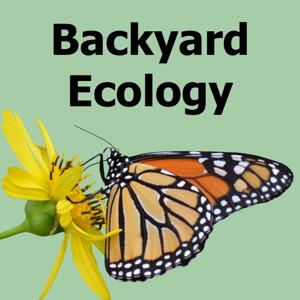


I share a story of how Anthony and I had a "life happens" moment on our property over the weekend. My hope is that our story of how "life happened" to us this week can give you a little bit of encouragement, or at least, help you feel not quite so alone the next time life throws a wrench in your plans.
The full transcript, including pictures, can be found on the episode's webpage: https://www.backyardecology.net/sometimes-life-happens/
Get a free copy of our e-book, An Introduction to Gardening with Native Plants: Hardiness Zones and Ecoregions, when you subscribe to our email. Subscribe at www.backyardecology.net/subscribe.
Links
Episode Image
If you've ever found a plant that you didn't recognize and wanted to know what it was, then this episode is for you. We talk with Dr. Alan Weakley about learning to observe plants, how to identify plants, why that's important, and some exciting new tools that are available to help us better recognize and appreciate the diversity of plants around us.
Alan is the director of the University of North Carolina's Herbarium, which is located at the North Carolina Botanical Garden. He is also the author of the Flora of the Southeastern US and the newly released FloraQuest app.
The full transcript of this episode can be found on the episode's webpage: https://www.backyardecology.net/learning-to-see-and-identify-plants-with-alan-weakley/
Get a free copy of our e-book, An Introduction to Gardening with Native Plants: Hardiness Zones and Ecoregions, when you subscribe to our email. Subscribe at www.backyardecology.net/subscribe.
Episode links:
* Amazon links are affiliate links.
Backyard Ecology links:
Episode image:
I offer five tips to help you attract butterflies to your property. Depending on your property and situation, you may not be able to do all of them. That's ok. If you have a small property, look around you. See what's lacking in your area and try to fill in the gaps. The important thing is to be aware and to do what you can.
The full transcript can be found on the episode's webpage: https://www.backyardecology.net/5-tips-for-attracting-butterflies/
We have lots of exciting opportunities planned with Backyard Ecology over the next several months. If you want to keep up with everything going on in the Backyard Ecology world, then please subscribe to our emails. You can do so at www.backyardecology.net/subscribe.
And when you sign up for our emails, you'll be sent a link to download a free, e-book that explains why our familiar garden zones, aren't important when it comes to gardening with native plants. That's just our way of saying thank you for your interest in Backyard Ecology.
Links
Episode Image:
Did you know there is a group of native plants which can be highly adaptable, can serve multiple functions in our gardens, and perhaps even be a backbone component to our home landscapes, but which has historically been overlooked for those purposes? This group of native plants is the sedges, or more specifically, members of the genus Carex.
In this episode of the Backyard Ecology podcast, we talk with Sam Hoadley about sedges and their use in the home garden and landscape. Sam is the Manager of Horticultural Research at Mt. Cuba Center in Delaware.
Recently, Mt. Cuba Center released their Carex trial report. This report evaluated 70 species and cultivars of Carex over 4 years for garden and landscape use in the Mid-Atlantic Region. During our conversation, Sam and I talk about how Mt. Cuba Center's trials are conducted, the importance of sedges / Carex species, how they can be used in the garden or home landscape, and many other topics.
Sedges may not produce the colorful, flashy flowers that we often think about and are drawn to when we are picking native plants to use in our home landscapes or pollinator and wildlife gardens, but they are definitely worth considering. Not only do they have their own innate beauty, but they can also serve so many different functions in the garden and landscape – including filling in so called "problem areas" or serving as a potential lawn alternative.
We have lots of exciting opportunities planned with Backyard Ecology over the next several months. If you want to keep up with everything going on in the Backyard Ecology world, then please subscribe to our emails. You can do so at www.backyardecology.net/subscribe.
And when you sign up for our emails, you'll be sent a link to download a free, e-book that explains why our familiar garden zones, aren't important when it comes to gardening with native plants. That's just our way of saying thank you for your interest in Backyard Ecology.
Episode Resources:Sam's email: [email protected] Carex Trial Report: https://mtcubacenter.org/trials/carex-for-the-mid-atlantic-region/ Past Trial Reports: https://mtcubacenter.org/research/trial-garden/ Mt. Cuba Center webpage: https://mtcubacenter.org/ Mt. Cuba Center Facebook page: https://www.facebook.com/MtCubaCenter/
Backyard Ecology Links:Website: https://backyardecology.net YouTube Channel: https://www.youtube.com/backyardecology Blog: https://www.backyardecology.net/blog/ Patreon page: https://www.patreon.com/backyardecology Make a one-time donation: https://www.paypal.com/biz/fund?id=K7F3HJLJT9F8N Subscribe to Backyard Ecology emails: https://www.backyardecology.net/subscribe/
Episode image:Pennsylvania sedge (Carex pensylvanica) Photo credit: Brian Hunt, cc-by
Do you want to start growing native plants in your yard, but don't know where to find them? Or maybe you aren't even sure what a native plant is for your area. Or maybe you are in a situation where you can't plant anything right now, but you still want to learn about native plants and enjoy them in the wild. Your state's native plant society may be able to help you in all of these situations.
In this episode of the Backyard Ecology podcast, we're joined by multiple guests representing native plant societies in different parts of the eastern U.S. Our guests are Randi Eckel from the Native Plant Society of New Jersey, Jeff Nelson from the Kentucky Native Plant Society, and Ellen Honeycutt from the Georgia Native Plant Society.
We start our conversation with what seems like a very basic question, "What is a native plant?" As you'll hear, the answers were all similar in their broad sense, but some of the details were a little different. Which of course, led to a conversation about those slight variations in the definitions and why they are important to be aware of when you are talking about native plants.
We then dove into talking about native plant societies and what they do. Every native plant society is going to be different and do different things, but they all share a love of native plants, conservation, and education. They also tend to be very accessible and include members of all experience levels – from the person just getting started on their native plant journey all the way to professional botanists with decades of experience. Native plant societies also tend to have lots of educational resources available online for anyone interested in native plants.
I highly encourage you to check out your state's native plant society. Links to the Georgia Native Plant Society, Kentucky Native Plant Society, and Native Plant Society of New Jersey are below. I also included a link from the American Horticultural Society's website which lists information for each state's native plant society.
On a side note, if you want to keep up with everything going on in the Backyard Ecology world, then please subscribe to our emails. You can do so at www.backyardecology.net/subscribe.
And when you sign up for our emails, you'll receive a link to download a free e-book that explains why our familiar garden zones don't mean anything when it comes to gardening with native plants. That's just our way of saying thank you for your interest in Backyard Ecology.
Until next week, I encourage you to take some time to enjoy the nature in your own yard and community.
Georgia Native Plant Society:Website: https://gnps.org/ Facebook: https://www.facebook.com/pages/Georgia-Native-Plant-Society
Kentucky Native Plant Society:Website: https://www.knps.org/ Facebook: https://www.facebook.com/knps.org/ Instagram: https://www.instagram.com/kynativeplantsociety/
Native Plant Society of New Jersey:Website: https://www.npsnj.org Facebook: https://www.facebook.com/NPSNJ/ Instagram: https://www.instagram.com/nativeplantsocietynj Twitter: http://twitter.com/npsnj
American Horticultural Society's list of native plant societies:https://ahsgardening.org/gardening-resources/societies-clubs-organizations/native-plant-societies/
Backyard Ecology:Growing Native Plants, Insect-Plant Interactions, Playing in the Pond, and Much More with Dr. Randi Eckel: https://www.backyardecology.net/growing-native-plants-insect-plant-interactions-playing-in-the-pond-and-much-more-with-dr-randi-eckel/ Website: https://backyardecology.net YouTube Channel: https://www.youtube.com/backyardecology Blog: https://www.backyardecology.net/blog/ Patreon page: https://www.patreon.com/backyardecology Make a one-time donation: https://www.paypal.com/biz/fund?id=K7F3HJLJT9F8N Subscribe to Backyard Ecology emails: https://www.backyardecology.net/subscribe/
Episode image:Butterfly milkweed (Asclepias tuberosa) Photo credit: Shenandoah National Park, public domain
Birding is a fun activity with many different ways you can do it. You can bird by ear and identify birds by their songs. You can look at the birds and identify them that way. You can watch the birds out your window or as you spend time in your yard. Or you can go on trips where birding can be either a side activity or the main purpose of the trip. It really is an activity that pretty much anyone can do in pretty much any location.
In this episode, I am joined by James Wheat. James is the President of the Kentucky Ornithological Society. You may also remember him from our conversation a few months ago about the Christmas Bird Count. Once again James shares a wealth of information along with his passion for helping others get involved in birding.
Our conversation focuses on birding tools and technology that can be helpful for birders with any experience level. We start our conversation by talking about binoculars, what the numbers mean, and tips about what to look for when purchasing binoculars. Our conversation then moves to a discussion of free birding apps that James really enjoys using.
The first birding app that we discuss is Merlin which is in some ways a digital field guide, but can also do so much more. This app can help you identify a bird whether you see it or hear it, and you can access tons of detailed information about that bird.
The second app that we talk about is eBird which also has a desktop version. eBird helps you keep track of the birds that you've seen in different locations, let's you see what birds other people have seen in a given location, and is used by scientists to study birds.
We wrap up our conversation by talking about the Birding Hotspots website which provides logistical information about parking, trail surfaces, bathrooms, etc. associated with the eBird hotspots. Links to all the resources we talked about can be found on the webpage for this episode.
Also, Anthony and I are working on a project that we're very excited about. We're hoping to make an announcement about it very soon, possibly within the next couple of weeks. If you want to be among the first to hear about it, and perhaps participate in our beta trial, then be sure to subscribe to our Backyard Ecology emails. You can do so at www.backyardecology.net/subscribe. That'll keep you up to date with everything going on in the Backyard Ecology world.
And when you sign up for our emails, you'll also be able to download a free, e-book that explains why our familiar garden zones, don't mean anything when it comes to gardening with native plants. That's just our way of saying thank you for your interest in Backyard Ecology.
Until next week, I encourage you to take some time to enjoy the nature in your own yard and community.
Links for James:James' email: [email protected] Kentucky Ornithological Society's webpage: https://www.birdky.org
Binocular Resources:6 Steps to Choosing a Pair of Binoculars You'll Love: https://www.allaboutbirds.org/news/six-steps-to-choosing-a-pair-of-binoculars-youll-love/ How to Choose Your Binoculars: https://www.audubon.org/news/how-choose-your-binoculars
Merlin:Website: https://merlin.allaboutbirds.org Who's Singing? How to Use Merlin Bird ID to Identify Bird Calls (1 hr webinar): https://academy.allaboutbirds.org/live-event/whos-singing-how-to-use-merlin-bird-id-to-identify-bird-calls/
eBird:Website: https://ebird.org/home eBird Essentials (free course): https://academy.allaboutbirds.org/product/ebird-essentials/
Site Logistical Resources:Birding Hotspots: https://birdinghotspots.org Birdability: https://www.birdability.org
Backyard Ecology Links:Website: https://backyardecology.net YouTube Channel: https://www.youtube.com/backyardecology Blog: https://www.backyardecology.net/blog/ Patreon page: https://www.patreon.com/backyardecology Make a one-time donation: https://www.paypal.com/biz/fund?id=K7F3HJLJT9F8N Subscribe to Backyard Ecology emails: https://www.backyardecology.net/subscribe/
Episode image:American goldfinch Photo credit: Shenandoah National Park, public domain
Do you enjoy having birds nest on your property? Would you like to learn more about what to look for in a nest box to make it the best it can be for your birds? Are you interested in finding out how you can safely monitor your nesting birds and help scientists study nesting birds?
In this episode, I am joined by Holly Grant. Holly is the Project Assistant for NestWatch which is a community science program based out of the Cornell Lab of Ornithology. We discuss a wide range of topics related to nesting birds including:
Oh! And if you like to put out hanging baskets, but the wrens or other birds always decide that's where they want to nest, then you definitely want to listen to this episode. Towards the end of our conversation, Holly shares a great tip which will allow you to continue watering your plant without disturbing the nest!
Also, Anthony and I are working on a project that we're very excited about. We're hoping to make an announcement about it in the next couple of months. If you want to be among the first to hear about it, then be sure to subscribe to our Backyard Ecology emails. You can do so at www.backyardecology.net/subscribe. That'll keep you up to date with everything going on in the Backyard Ecology world
And when you sign up for our emails, you'll be able to download a free, e-book that explains why our familiar garden zones don't mean anything when it comes to gardening with native plants. That's just our way of saying thank you for your interest in Backyard Ecology.
Until next week, I encourage you to take some time to enjoy the nature in your own yard and community.
NestWatch links:
Do you struggle with invasive species on your property? Or, have you ever wondered, what's the big deal with invasive species? Why are they so bad? Or maybe you just wondered how our invasive species got here. After all, if they are so awful, then why would anyone bring them here? If so, then you aren't alone. Invasive species are something that most of us struggle with.
In this episode, I'm joined by my husband, Anthony Trimboli. Many of you may know Anthony from the Backyard Ecology videos he produces every week or from previous podcasts episodes which he has been on. In addition to creating Backyard Ecology content, he also does habitat consulting and works in our native plant nursery.
Anthony and I talked about a wide range of topics related to invasive species beginning with a discussion about what exactly is an invasive species and whether those species are inherently "bad." We also talked about why it matters if a species is invasive, some of the negative impacts invasive species can have, and whether any of the short-term uses that pollinators and wildlife may gain from invasive species makes up for their negative impacts.
Much of our conversation focused on invasive plants, because we both agreed that invasive plants are probably the type of invasive organism which individual property owners have the greatest ability to do something about. This part of our conversation included topics such as how to know whether a species is invasive and how to control those species on your property, as well as a discussion about whether native plants can be invasive.
We wrapped up our discussion by talking about how invasive species got here. Spoiler alert: No one did the evil "bwahaha" laugh and thought to themselves, "Let me introduce this horribly invasive species so it can wreak havoc and destroy the ecosystem." The story of invasive species is one of unintended consequences.
If you haven't checked out the Backyard Ecology YouTube channel, then I encourage you to do so. Anthony adds new content every week. There's a link to the channel in the show notes, as well as a separate link for the channel's invasive species playlist.
Until next week, I encourage you to take some time to enjoy the nature in your own yard and community.
Links to Relevant Resources:
Lawn care probably isn't the first thing you think of when you think about backyard ecology. Honestly, it isn't for me either. But it is something that most of us have to deal with in one way or another whether we do it ourselves or hire someone to do it for us.
And I don't know about you, but lawn equipment in general, much less battery powered lawn equipment, is not my area of expertise. That's why when I heard about a landscaping company which specializes in low impact lawn care and has transitioned to all battery powered equipment, I became intrigued.
Anthony and I have some battery powered lawn care equipment, but we've always shied away from battery powered lawn mowers. We just didn't think battery powered lawn mowers could handle our uneven, rough, hilly yard. But if this company was using all battery powered equipment on a commercial scale, then maybe we needed to rethink our assumptions for our own yard.
Maybe you're in a similar boat and are trying to decide if battery powered is the way to go for your next piece of lawn equipment. Or maybe you'd like to be able to hire someone who approaches lawn care from a more ecological perspective but don't know how to find that person or the questions to ask. If so, then this episode is for you.
In this episode, we are talking to Richard McCoy. Richard is the owner and operator of McCoy Horticultural Services. In the last couple of years, his business has transitioned from traditional gas powered lawn care equipment to battery powered equipment. His company also specializes in organic and low impact lawn care. Our conversation covered a number of topics related to battery powered lawn care equipment, vetting a land care contractor, and low impact lawn care. I appreciate Richard sharing his expertise and experiences with us.
[2:58] Richard's story about how he got to where he is now [6:05] Compost, manure and the need to ask "why" and never stop learning [9:07] The transition from gas powered to battery powered lawn equipment [13:42] Battery powered lawn tool certification organizations [14:15] Are there instances when gas is a better option than battery powered equipment? [16:18] Basic guidelines for creating an ecologically sound landscape [18:22] Real world example of battery powered lawn equipment in use [20:09] How ecological lawncare differs from traditional lawncare [22:38] Battery powered lawn care equipment is on par with gasoline powered equipment, except for backpack leaf blowers [27:18] How homeowners can transition to battery powered lawn equipment [30:46] Challenges in ecological lawncare [31:36] Vetting a lawncare service and how to educate yourself [34:30] Beyond going electric – incorporating native plants [36:00] Putting it all together and having not just a yard but an ecosystem [37:43] Plant the species that are native to your area [39:02] Discussing the complexity of plant communities [41:39] How homeowners should plan their landscape [42:11] What is native and why does it matter [45:08] Ways landowners can find native plants for sale [46:44] The importance of understanding soil
If you are looking for some simple, quick and easy ways to make your yard more attractive to pollinators and wildlife, you may want to check out my newest book, Attract Pollinators and Wildlife to Your Yard: 15 Free and Easy Ways. You can learn more about the book and place your order at https://shannontrimboli.com/product/attract-pollinators-and-wildlife-to-your-yard-15-free-and-easy-ways/ .
Until next week, I encourage you to take some time to enjoy the nature in your own yard and community.
Richard's Information:
You know how sometimes you'll meet someone and things just "click?" You quickly discover that you have lots of shared interests and experiences and your conversation just flows as it goes down one path and then the next.
Well, that's exactly what happened in this episode as I talked with Dr. Randi Eckel. Randi is the owner of Toadshade Wildflower Farm which is a mail-order native plant nursery. She is a life-long naturalist, lover of nature, entomologist, and confirmed plant and ecology nerd. Randi is also the president of the Native Plant Society of New Jersey.
Growing native plants and interactions between plants and insects were two of the major themes of our conversation, but our conversation also went down many other twisty, curvy paths. This was one of those conversations that could so easily have occurred sitting on the front porch or around a campfire. I hope you enjoy listening to it as much as I enjoyed recording it.
[2:47] Randi's story of how she got to where she is now and discussion of career paths [7:01] Changes Randi has seen in the native plant industry over the years and importance of plants that are native to your region [12:05] How even small properties, balconies, and rooftop gardens can make a huge difference for pollinators and songbirds [15:26] Pond stories from our childhoods, college classes, and connections with native plants and animals [19:05] Recommendations for getting started with native plants [24:25] Tackling weeds and invasive species [26:36] Combating invasive species with native species [30:25] Importance of native plant diversity and examples of pollinator interactions [33:39] Violets and the great spangled fritillary [35:49] Why are flowers in the yard a bad thing? [37:20] Using water features to attract wildlife and stories of observations we've made on our properties [42:09] Mothing and watching moths visit light colored flowers in the evening [43:01] Vernal pools, rain gardens, and sump pump gardens [45:33] Great diversity of native plants that can be found in any given region and how embracing that can be freeing [46:56] White turtlehead, Baltimore checkerspot butterfly, and importance of wildlife corridors and habitat stepping stones [48:32] Importance of year-round habitat for butterflies and other insects and easy ways to provide that year-round habitat [53:11] Discussion about the importance of thinking about things, drawing connections, and learning about the interactions between plants, insects, and wildlife [55:13] What to look for if mail ordering native plants or seeds [1:00:24] Native plant poaching and its impacts [1:02:29] Check out a native plant society near you
If you find value in the Backyard Ecology content, please consider making a one-time or monthly donation. You can find out how at https://www.backyardecology.net/support /.
Until next week, I encourage you to take some time to explore the nature in your own yard and community.
Randi's Information:From the publisher's feed
466 Listeners

1,255 Listeners

222 Listeners
679 Listeners

351 Listeners
567 Listeners

659 Listeners
399 Listeners

1,247 Listeners
1,848 Listeners
545 Listeners
103 Listeners
330 Listeners

878 Listeners

1,249 Listeners