
Sign up to save your podcasts
Or

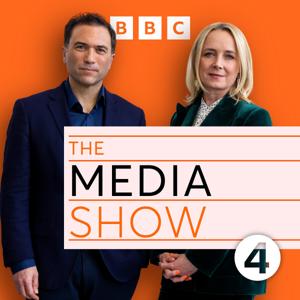

This week, The Media Show broadcasts from Washington DC, and asks what the election tells us about the media's role in modern America.
The Washington Post finds itself at the heart of a debate on media impartiality after a reported loss of thousands of subscribers following its decision not to endorse a candidate. NPR's media correspondent, David Folkenflik, joins us to unpack the unfolding crisis.
With tech billionaires wielding significant influence, this election has seen figures like Elon Musk openly backing Donald Trump. Critics argue that big tech’s sway over public discourse has become too potent. Jennifer Huddleston, a senior fellow in technology policy at the Cato Institute, and Marietje Schaake, a former MEP now with Stanford’s Cyber Policy Center, debate the issues.
For over 170 years, the Associated Press has been at the forefront of election coverage, calling winners across the nation. Anna Johnson, AP’s Washington bureau chief, explains how it does what might be "the single largest act of journalism in the world".
Also on the show, Lauren Egan, White House reporter for Politico, talks Ros through her job and what access she gets to the President. And David A Kaplan, former Newsweek legal affairs expert, reflects on the 2000 election—a time when the relationship between the media, the candidates and the public looked very different.
Presented by: Ros Atkins
 View all episodes
 By BBC Radio 4

4.4
2828 ratings
This week, The Media Show broadcasts from Washington DC, and asks what the election tells us about the media's role in modern America.
The Washington Post finds itself at the heart of a debate on media impartiality after a reported loss of thousands of subscribers following its decision not to endorse a candidate. NPR's media correspondent, David Folkenflik, joins us to unpack the unfolding crisis.
With tech billionaires wielding significant influence, this election has seen figures like Elon Musk openly backing Donald Trump. Critics argue that big tech’s sway over public discourse has become too potent. Jennifer Huddleston, a senior fellow in technology policy at the Cato Institute, and Marietje Schaake, a former MEP now with Stanford’s Cyber Policy Center, debate the issues.
For over 170 years, the Associated Press has been at the forefront of election coverage, calling winners across the nation. Anna Johnson, AP’s Washington bureau chief, explains how it does what might be "the single largest act of journalism in the world".
Also on the show, Lauren Egan, White House reporter for Politico, talks Ros through her job and what access she gets to the President. And David A Kaplan, former Newsweek legal affairs expert, reflects on the 2000 election—a time when the relationship between the media, the candidates and the public looked very different.
Presented by: Ros Atkins

7,639 Listeners

1,046 Listeners

5,520 Listeners

1,799 Listeners

1,763 Listeners

1,049 Listeners

1,920 Listeners

759 Listeners

393 Listeners
114 Listeners
114 Listeners
684 Listeners

3,177 Listeners

720 Listeners
3,336 Listeners

1,183 Listeners

386 Listeners

805 Listeners

39 Listeners
26 Listeners
139 Listeners

19 Listeners
45 Listeners
69 Listeners