
Sign up to save your podcasts
Or



Based on Podcast App listening data
It's been a week of great consequence for the media. On Monday, Russell Brand was sentenced to over ten years in prison for rape and sexual assault. On Tuesday - in a separate story - ITV News and The Guardian named David Walliams as the celebrity who tried to use an injunction to block the publication of sexual misconduct allegations. Also in the last week, Channel 4 announced it is axing Married at First Sight after earlier this year the BBC reported rape allegations from two female cast members.
Each story raises important questions about the culture of the media industry, now and in the past. Is this a reckoning for the sector? We spoke to Dame Caroline Dinenage MP, chair of the Culture, Media and Sport Committee, Priya Dogra, chief executive of Channel 4, and a panel of guests to talk us through these stories: Rosamund Urwin, chief news correspondent at The Sunday Times; Alex Wilson, partner at RPC, and Sarah Ditum, author of Toxic: Women, Fame and The Noughties.
Protests across Europe led by youth movements have drawn attention to the role of social media in spreading information and misinformation. Largely led by Gen-Z, these protests have included references to films like The Hunger Games and The Avengers, and featured people in costumes taking part in 'aura battles', while memes of the demonstrations are shared online. Researcher Dr Nayana Prakash considers how online platforms, viral videos and AI-generated content are now an inextricable part of protest movements.
After Russian TV sent a camera crew to report on a Welsh independence march, BBC Monitoring’s Russia specialist Francis Scarr examines how Russian state media is reporting on independence movements across the world, and what this coverage reveals about the Kremlin’s portrayal of European instability and decline.
A new survey by the Student Publication Association suggests that more than a quarter of student newspapers and magazines lack full editorial independence from their publishers. The SPA’s chair Emily Pitt-Shaw and Tamara Greatrix, editor-in-chief of Birmingham Uni's student newspaper Redbrick, discuss the implications for press freedom on campus.
Filmmakers Itab Azzam and Jack MacInnes reflect on their documentary One in a Million, which follows a Syrian family over ten years as they rebuild their lives after fleeing Aleppo. Centred on Israa, first seen aged 11, the film traces her journey through adolescence, marriage and motherhood as she navigates life between two cultures.
Presenters: Katie Razzall and Ros Atkins
In the internet age, is TV news still fit for purpose? We speak to broadcaster Lewis Goodall who argues it needs urgent reform for the digital and social media age and to Krishnan Guru-Murthy, one of the lead presenters of Channel 4 News.
Presenters: Ros Atkins and Katie Razzall
This week the BBC announced more cuts as part of its drive to save £500 million, following on from a series of other budget saving measures over the last few months. Katie and Ros talk to BBC Deputy Director-General Rhodri Talfan-Davies, and take stock of everything announced so far with a panel of experts: ex-BBC executive Roger Mosey, MP for Southport Patrick Hurley and Baroness Morgan, former Secretary of State for Digital, Culture, Media and Sport.
And a new Channel 4 programme investigates public attitudes toward disability. The creators of The Experiment have built a fictional care home for disabled people and invite members of the public into the facility to see if they can recognize Nazi-era concepts disguised as modern social care. Producer Nick Parnes and presenter Sophie Morgan join the show.
Presenters: Katie Razzall and Ros Atkins
This week, an extended interview with the screenwriter and producer Russell T Davies. He talks to Katie and Ros about his long career in television, from early days in children's TV, to bringing back Doctor Who, to his more recent successes like the critically acclaimed Tip Toe. He also gives his thoughts on the media landscape today, including the role of AI and the lack of commissioning opportunities.
Also, former barrister and legal correspondent Clive Coleman, now a specialist in crisis PR and reputation management, and former BBC news exec Katy Searle discuss the BBC's defamation settlement with the founder of LGBTQ+ news site Pink News and his husband over a 2024 investigation. How should the BBC respond when it gets things wrong?
Presenters: Katie Razzall and Ros Atkins
What are the challenges of reporting on the Cornell University rape investigation, and how did it emerge in student and social media? We discuss with Kathleen Bartzen Culver, Professor of Journalism Ethics at the University of Wisconsin – Madison; and Dr Robert Topinka, Reader in Digital Culture at Birkbeck University of London.
Manchester City arranged "sham contracts" with a number of commercial partners as part of a scheme to disguise secret funding of more than £830m, the Premier League says. We discuss how the media was involved in reporting the story over many years with BBC Sport's Laura Scott; Der Spiegel journalist Christoph Winterbach; Nick Harris from Sporting Intelligence and Sky’s sports correspondent Rob Harris.
New research from Stanford University suggests a significant share of newly created websites may now be produced, at least in part, by artificial intelligence. We hear from one of the study's lead researchers, Maty Boháček, alongside technology writer Timandra Harkness, about the scale of AI-generated content online and what it means for the future of the web.
Celebrity Traitors and Strictly Come Dancing are back on our screens. But what goes into casting the stars who make these formats a success? Celebrity talent executive Stef Aleksander takes us behind the scenes of one of television's most important and least visible jobs.
The legal confrontation between Donald Trump and the White House press corps raises questions about press freedom and the limits of presidential control over media access. We talk to Ronnell Anderson Jones, University Distinguished Professor of Law, and Washington Post media reporter Scott Nover.
Presenters: Katie Razzall and Ros Atkins
The right of reply has long been a cornerstone of journalism, giving those involved in a story the chance to respond before publication. But with politicians and public figures now using social media to publish their own version first, is this principle being undermined? Guto Harri, former Downing Street Director of Communications, Professor Karen Fowler-Watt from City St George’s, University of London, and journalist Matt Shea assess how the practice is changing.
As streaming services compete for attention, TV remotes usually now include buttons for platforms like Netflix and YouTube often paid for by the services themselves. UK broadcasters argue this disadvantages British platforms and have called for a dedicated ‘British’ button. Technology historian Edd Thomas and Professor Catherine Johnson from the University of Leeds explain why the remote has become such a significant battleground.
Universities are increasingly offering degrees in content creation, with Arizona State University launching a BA in the subject and several UK institutions following suit. But is a degree necessary for success in this field? Damien Jordan, creator of Damien Talks Money, and Jacky Gurr, Course Leader for BA Content Creation at Nottingham Trent University, share their perspectives on what formal education can offer aspiring creators.
Presenters: Katie Razzall and Ros Atkins
What does Channel 4's undercover investigation into Reform UK tell us about the relationship between polling, politics and the press? Katie Razzall and Ros Atkins hear from journalists Jake Kanter International Investigations Editor at Deadline, and James Ball Political Editor at The New World, and the polling experts Professor Sir John Curtice and Stephan Shakespeare CEO of YouGov.
Producer: Lisa Jenkinson
From the publisher's feed
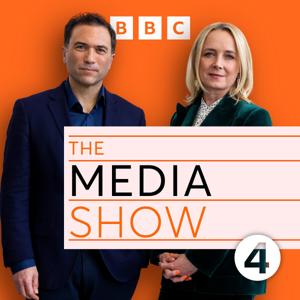
Social media, anti-social media, breaking news, faking news: this is the programme about a revolution in media.
Ranked by our users in the last 21 days

7,592 Listeners

1,046 Listeners

5,515 Listeners

1,804 Listeners

1,794 Listeners

1,030 Listeners

2,039 Listeners

742 Listeners

403 Listeners

110 Listeners
109 Listeners

674 Listeners

3,171 Listeners

794 Listeners

3,151 Listeners

1,210 Listeners

455 Listeners

937 Listeners

36 Listeners

23 Listeners

136 Listeners

17 Listeners
25 Listeners
60 Listeners