
Sign up to save your podcasts
Or

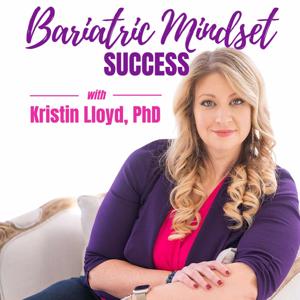


Episode 10 - Breaking Through The Food Noise: Silencing Diet Culture and Reconnecting to Hunger Wisdom
Ever wonder why you can’t stop thinking about food even when your stomach isn’t growling? Or even right after you’ve eaten?
In this eye-opening episode of Bariatric Mindset Success, Dr. Kristin Lloyd unpacks the phenomenon of food noise—those relentless food thoughts that hijack your mind.
Food noise isn’t a character flaw. It’s your body and brain sending notifications, shaped by biology, psychology, trauma, diet culture, and even neurodivergence like ADHD. Dr. Lloyd explains how:
* Sleep deprivation can push your body to crave 300–400 extra calories a day.
* Highly processed foods trick your brain into addictive cycles while leaving you malnourished.
* Low interoception (difficulty sensing your body’s internal cues) makes it hard to tell the difference between true hunger and head hunger—especially for those with ADHD, a history of trauma, chronic stress, or following bariatric surgery.
Dr. Lloyd goes deeper into how trauma and diet culture disrupt body trust. For trauma survivors, disconnecting from hunger cues often served as protection when the body didn’t feel safe. But in the long term, that same disconnection makes it harder to distinguish true physical hunger from emotional appetite. Add in diet culture’s constant message that hunger is something to fight or suppress, and you’ve got the perfect storm for shame, restriction, and rebound eating.
You’ll also discover how autopilot eating and dissociation are survival responses—not laziness or lack of willpower. Your nervous system is wired for protection, not happiness, and when it’s dysregulated it will grab for the fastest way to self-soothe. Understanding this helps you step out of judgment and into curiosity about what your food noise is really telling you.
The game-changing insight? Hunger is sacred. It’s a primal, physiological signal that deserves respect, not ridicule. When you can separate hunger from appetite, and when you can see emotional eating not as failure but as a coping mechanism that once worked for you, you open the door to true healing.
Throughout this conversation, Dr. Lloyd shares practical insights and tools to help you reconnect with your body: developing emotional literacy, increasing interoception (awareness of internal signals), and practicing nervous system regulation. She reminds listeners that breaking free from food noise isn’t about silencing your body—it’s about learning to listen differently.
🎧 Tune in now to Breaking Through the Food Noise: How to Tune Into Hunger Signals Beyond Diet Culture, and grab Dr. Lloyd’s free Food Noise Freedom course in the show notes to start your journey toward food peace.
Chapters
00:00:00 - Understanding Food Noise Beyond Hunger
00:02:51 - Understanding Food Noise and Sleep Connection
00:08:35 - Understanding Food Noise and Stress
00:11:17 - Understanding Hunger vs Appetite After Surgery
00:15:37 - Trauma, Dissociation and Autopilot Eating
00:19:04 - Breaking Free from Body Disconnection
00:21:49 - Understanding Hunger vs Appetite Signals
00:28:45 - Sugar Creates More Sugar Cravings
00:31:48 - Food Noise and Emotional Eating
00:34:55 - Tools for Healing and Self-Care
00:37:00 - Building Skills Beyond GLP-1 Medications
00:38:56 - Food Noise as Emotional Symptom
00:41:30 - Understanding Non-Biological Food Cravings
00:44:13 - Breaking Food Noise Patterns
00:47:33 - Understanding Food Noise Beyond Hunger
Key Takeaways
• Food noise is your body’s notification system, not a personal failureThose intrusive food thoughts aren’t proof you’re “weak.” They’re signals—set off by sleep loss, ADHD, trauma, stress, or even processed food chemistry—that your body and brain need something.
• Trauma survivors often lose body awareness as a survival strategyWhen your body once felt unsafe, disconnecting from hunger cues was protective. But that same disconnect now makes it hard to tell the difference between physical hunger and emotional “head hunger.”
• Autopilot eating is a nervous system response, not lazinessMindless eating is often your body’s way of coping with dysregulation or overwhelm. The fix isn’t more restriction—it’s learning to regulate your nervous system and build safer ways to cope.
• True hunger vs. appetite is a game-changerHunger is a sacred, primal physiological need. Appetite, on the other hand, can be driven by emotions, environment, or habit. Knowing the difference helps you respond to your body with compassion instead of control.
• Diet culture has trained us to mistrust our own hungerRestriction makes hunger signals louder, not weaker. What looks like “emotional eating” is often your body overriding deprivation. Healing requires unlearning diet rules, not doubling down on them.
• Neurodivergent brains face unique challenges with food noiseADHD and low interoception (trouble sensing body cues) make it harder to notice when you’re truly hungry or satisfied. This isn’t about willpower—it’s about wiring.
• Healing food noise starts with curiosity, not criticismWhen you notice food thoughts, ask: is this hunger, appetite, boredom, stress, or something deeper? That one shift can turn “shame spirals” into moments of self-connection.
Bariatric Mindset is a reader-supported publication. To receive new posts and support my work, consider becoming a free or paid subscriber.
✨ Ready to quiet the chaos of food noise?Grab my FREE mini-course: Food Noise Freedom and start learning how to decode your body’s signals today.
If you haven’t already:👉 Subscribe here on Substack to get fresh tools, insights, and mindset shifts delivered straight to your inbox.👉 Join our free Facebook group, Bariatric Mindset Mavens, where thousands of bariatric patients are breaking free from diet culture and finding real support on the journey.
Your freedom starts with one click—don’t wait. See you on the INSIDE!!
Bariatric Mindset is a reader-supported publication. To receive new posts and support my work, consider becoming a free or paid subscriber.
Episode 9 - Food, Shame & Survival: From Disordered Eating to Eating Disorders
The most shocking revelation? How childhood food shaming—being nicknamed “Thunder Thighs” or sneaking food in secret—doesn’t just shape eating habits. It ripples across family systems, rewiring how generations relate to food, body image, and even self-worth. It’s time to tackle the fears around food and elements of body shaming that lead to disordered eating and eating disorders.
Let’s cut to the chase: Which lies of diet culture are still running your relationship with food, your weight, and your body?
In this raw and revealing episode, Dr. Kristin Lloyd and Coach Frances Vogel dismantle the toxic diet mentality that fuels disordered eating, secrecy, and shame. They discuss the differences in disordered eating and eating disorders to get clear on how they are classified and defined. They facilitate a deeper discussion to dispel “good” vs. “bad” food labels—showing how these cultural scripts hardwire guilt into every bite, especially for larger-bodied individuals who feel policed when eating in public.
Kristin shares unfiltered stories of eating in hiding, ordering multiple meals to disguise intake, and navigating the gray area between overeating and undiagnosed binge eating disorder. Bariatric surgery, ADHD, hormonal shifts, and later-life diagnoses add another layer, revealing how biology, brain chemistry, and diet culture collide in destructive survival loops.
Together, Kristin and Frances explore:
* The real difference between disordered eating patterns and diagnosable eating disorders
* How ADHD, anxiety, and perimenopause amplify food struggles (and why “mindful eating” advice often backfires)
* How parents can break generational shame cycles by teaching food balance without creating restriction trauma
* The promise and pitfalls of GLP-1 medications, and how they address only one piece of “food noise”
* Why even “healthy” foods like nuts or peanut butter can fuel cycles of overconsumption and shame
* How to shift identity from “dieter” to “nourished person” using nervous system regulation, community, and self-awareness
Frances also reflects on growing up as the tallest of her siblings—labeled “the big one” and restricted by a well-meaning but parent also steeped in diet culture. That early food policing created secretive eating and shame that carried into adulthood. But through therapy, parenting differently, and conscious healing, she demonstrates how cycles can be broken.
This isn’t just about food—it’s about identity, survival, and reclaiming the power to nourish instead of punish.
Whether you’ve lived through bariatric surgery, are exploring GLP-1 treatments, or simply want to untangle diet culture’s grip on your life, this episode will give you clarity, compassion, and strategies to finally break free.
CHAPTERS
00:00:01 - Welcome to Bariatric Mindset Podcast
00:05:02 - Fear of Eating in Public
00:07:35 - Hiding Food Orders and Family Dynamics
00:10:42 - Breaking the Cycle of Food Shame
00:13:24 - Childhood Food Restrictions and Family Dynamics
00:16:26 - Teaching Kids Healthy Food Relationships
00:21:32 - Childhood Sugar vs Modern Cereal Choices
00:22:30 - Vacation Cravings and Food Choices
00:25:51 - Finding Food Balance Framework
00:27:44 - Disordered Eating vs Eating Disorders
00:32:38 - ADHD and Binge Eating Connection
00:37:57 - ADHD and Emotional Eating Connection
00:40:15 - ADHD Diagnosis During Perimenopause
00:43:43 - Medication Adjustments and Hormone Therapy
00:48:13 - Healing Diet Culture and Finding What Works
00:51:35 - Questioning Your Normal Food Relationship
00:53:38 - Overcoming Post-Surgery Food Fear
00:55:26 - Moving Beyond Diet Mentality and Transfer Addiction
00:58:19 - Building Community Support for Emotional Eating Recovery
01:00:19 - Changing Coping Strategies After Surgery
KEY TAKEAWAYS
* Secret eating behaviors often stem from judgment, not “food addiction.”Frances’s stories of eating in private and ordering multiple meals to disguise consumption highlight how external shame—rather than internal compulsion—can drive patterns that look like binge eating but are really survival strategies.
* Food restriction in childhood leaves deep psychological scars.Being labeled “the big one” amongst her siblings, and restricted from age 10, shows how early shaming and parental attempts at control can seed lifelong disordered eating, regardless of actual body size.
* Breaking generational cycles requires food neutrality.Kristin and Frances stress that it’s not enough to simply “avoid diet talk.” Parents must actively teach children about hunger cues, balance, and nutrition without attaching morality to food.
* Disordered eating exists on a spectrum—from stress eating to binge eating disorder.Not all overeating equals an eating disorder. The difference lies in secrecy, loss of control, and shame, which are markers of binge eating rather than occasional overeating.
* Diet mentality and “all-or-nothing” thinking keep people stuck.Whether it’s labeling foods as “good” or “bad” or turning to extreme resets like pouch resets, some people even turn to fasting as an attempt to create ‘control’, diet culture disguises restriction as health, feeding shame cycles instead of healing them.
* Neurodivergence and hormones complicate eating patterns.ADHD, anxiety, and perimenopause all play into food regulation. Many bariatric patients show ADHD traits, using food as a way to self-soothe the nervous system, which helps explain why “just eat mindfully” advice often fails.
* GLP-1 medications and bariatric surgery address biology, not psychology.While these tools can quiet physical hunger signals, they don’t resolve emotional eating, nervous system dysregulation, or the deeper identity work needed for lasting change.
* Even “healthy foods” can trigger disordered patterns.Peanut butter, nuts, or cereal may be nutritious, but they can still be over-consumed and tied to guilt or compulsion, proving that food neutrality—not food rules—is key.
* Identity shifts are essential for healing.Moving from “dieter” to “nourished person” requires nervous system regulation, community support, and reframing food as nourishment rather than punishment or reward.
Additional Questions for Growth
* How has diet culture brainwashed you—into fearing food, hating your body, and chasing weight as proof of worth?
* What does healthy eating actually look and feel like for you—not what the rules say it should be?
* What rhythms or habits feel “normal” and sustainable for your unique body?
* Are you still following diet culture’s rules, or are you beginning to trust your body’s signals?
* In what ways are you listening to your body right now? And if it feels hard, how are you practicing that skill?
* Do you pause to check in with your body throughout the day, or do you notice yourself pushing through on autopilot?
* Since surgery—or since starting GLP-1s—have you noticed yourself shifting toward new coping behaviors?
* What early coping strategies did you once label as “self-sabotage,” but were actually survival at the time? And today, what could you choose instead that supports growth, not just survival?
Looking for additional community or to connect with the Bariatric Mindset Team?
Check out our FREE Facebook Community: Bariatric Mindset Mavens
Follow Bariatric Mindset on Instagram @bariatricmindset
Follow Bariatric Mindset on Facebook, TikTok and YouTube @bariatricmindset
Also, you can grab one of Kristin’s free trainings at Bariatric Mindset
Looking forward to connecting with you!
Episode 8 - Deconstructing Diet Culture’s Grip: Ditching Diet Mentality, The Path to Healing Hunger, Appetite, Hormones And Headspace Beyond Bariatric Surgery & GLP-1s.
What if the tool that quiets your hunger doesn’t teach you how to handle your appetite? What if the very solutions we're turning to for weight loss are actually masking deeper emotional wounds?
Dr. Kristin Lloyd and Coach Frances Vogel make a clear distinction: hunger is physiological; appetite is psychological. GLP-1s and bariatric surgery can legitimately lower hunger and quiet part of “food noise,” but they don’t teach emotion regulation, somatic/nervous-system skills, or stress management.
In this episode, Kristin and Frances dive deep into the dark side of diet mentality, revealing how medical solutions for weight loss like GLP-1s and bariatric surgery can quiet hunger yet gloss over the deeper drivers of appetite: unresolved trauma, anxiety/ADHD, body-image wounds, and diet culture’s Trojan Horse, ‘thinness’.
In this eye-opening conversation, Dr. Lloyd shares her vulnerable journey through bariatric surgery, discovering that weight loss wasn't the magic cure she expected. The discussion explores how "food noise"—a complex mix of hormones, emotions, and environmental triggers—drives our relationship with eating, and why society's obsession with thinness creates more harm than healing.
The speakers challenge the diet industry's grip on our minds, explaining how genetic factors, stress responses, and neurodiversity all play crucial roles in our food behaviors. They warn against the "honeymoon phase" of weight-loss interventions and emphasize the critical need for psychological screening and therapy alongside any medical treatment.
From understanding "reverse body dysmorphia" after surgery to recognizing how early shame shapes our relationship with food, this episode offers a compassionate roadmap for breaking free from punitive diet cycles and embracing bio-individual nutrition approaches.
This episode highlights the importance of pairing medical tools with self-regulation so you don’t get stuck in diet mentality or fall into all-or-nothing spirals. With the right support, skills, and strategies, you’ll have what you need to thrive well beyond the ‘honeymoon period.
Ready to transform your relationship with food and your body?
Listen now to discover why lasting change requires addressing the mind and the body, not just the scale.
Expanded Show Notes
Diet culture says “eat less.” Your body says “feed me.” Your mind says “fix this feeling.” Different problems; different tools.
In this candid conversation, Dr. Kristin Lloyd and Coach Frances Vogel clarify a crucial truth:
* Hunger = physiological need (energy deficit, hormones, circadian rhythm).
* Appetite = psychological drive (emotions, thoughts, conditioning, environment, reward).
GLP-1s and bariatric surgery can reduce hunger and quiet the biological portion of “food noise.” That’s real help. But food noise isn’t only biology—it also includes appetite drivers: anxiety, ADHD patterns, stress responses, learned coping, and environmental cues. Medical tools don’t teach emotion regulation, somatic/nervous-system skills, or identity-level mindset—and without those, people often hit the post-intervention honeymoon crash, swap coping (transfer addictions), or white-knuckle their way back into shame cycles.
Dr. Lloyd shares vulnerable moments from her own bariatric journey and the realization that weight loss didn’t resolve anxiety or self-soothing. Together, she and Frances map the sustainable path: use medical tools for hunger; train regulation skills for appetite. Build strength, prioritize protein, sleep, and stress skills; recalibrate body image (reverse body dysmorphia is common); and design a bio-individual plan that fits your brain and your life.
Covered in this Episode
* Food noise = hunger (biology) + appetite (psychology). Treat the right thing with the right tool.
* Regulation > willpower: Interoception, somatic resets, and emotional skills for stress-eating moments.
* The honeymoon trap: Appetite drops ≠ coping cured. How to prevent regain and transfer addictions.
* Neurodiversity & stress: Why ADHD/anxiety change cues, routines, and reward—and how to adapt your plan.
* Body image recalibration: Navigating reverse body dysmorphia after rapid change.
* Identity over rules: From punitive dieting to process—strength, protein, sleep, mood, compassion.
Chapters
00:00:01 - Diet Mentality
00:02:26 - Trauma and Obesity Connection
00:05:01 - Diet Mentality and GLP-1s
00:14:01 - Mindset Shift Around Food Choices
00:18:04 - Genetics and Carb Sensitivity
00:20:02 - Diet Mentality and Tracking Patterns
00:23:30 - Transitions, Anxiety, and Dieting
00:25:58 - Weight Set Point and Body Image
00:28:45 - Puberty, Body Image, and Diet Mentality
00:30:13 - Diet Mentality and Body Image
00:34:26 - Acceptance During Perimenopause
00:36:50 - Diet Mentality and Body Acceptance
00:42:43 - Inner Work for Body Acceptance
00:44:46 - Bariatric Tools and Diet Mentality
00:47:49 - Healthy Relationship with Food
00:49:33 - Diet Mentality vs Compassionate Health
Key Takeaways
* Tools, not cures. GLP-1s and bariatric surgery can lower physiological hunger and quiet the biological slice of food noise—but they don’t resolve root drivers like trauma, anxiety, ADHD, or entrenched emotional-eating patterns. Pair medical tools with therapy and somatic/nervous-system work.
* Beware the honeymoon trap. The early appetite drop can mask unresolved coping. When the honeymoon fades, old patterns resurface. Plan for this: build regulation skills, strength training, protein habits, and support before the dip.
* Hunger ≠ appetite. Treat the right problem. Hunger is physical (energy need); appetite is psychological (emotion, reward, environment). Use food/protein/sleep for hunger; use emotion regulation, stress tools, and boundaries for appetite.
* Lasting change is paired care + personalization. Sustainable results come from compassionate, integrated care (medical + psychological) plus bio-individual nutrition and simple tracking (protein, timing, sleep, stress) to spot your levers—not one-size-fits-all rules.
* Identity over rules, skills over willpower. Ditch all-or-nothing. Train an identity of “strong, regulated, well-rested” and practice skills that keep you steady (interoception, urge surfing, somatic regulation skills). That’s how you prevent transfer addictions and post-intervention backslides.
Looking for additional community or to connect with the Bariatric Mindset Team?
Check out our FREE Facebook Community: Bariatric Mindset Mavens
Follow Bariatric Mindset on Instagram @bariatricmindset
Follow Bariatric Mindset on Facebook, TikTok and YouTube @bariatricmindset
Also, you can grab one of Kristin’s free trainings at Bariatric Mindset
Looking forward to connecting with you!
Episode 7 - Leaning Into Discomfort: Unlocking Your Path to Emotional Freedom and Growth
Can punching a bag really be therapeutic? Does discomfort really lead to growth? Have you ever thought reaching your weight loss goal would finally bring you lasting happiness?
The truth is, growth doesn’t come from the finish line—it comes from how we face discomfort along the way.
In this candid and eye-opening conversation, Dr. Kristin Lloyd and Coach Frances unpack the essential link between discomfort, resilience, and personal transformation. They challenge the myth that weight loss alone guarantees happiness, showing instead how unresolved emotions often resurface—especially during major life transitions like perimenopause and menopause. They also reveal why leaning into discomfort—especially during life transitions like menopause—can be the true catalyst for lasting emotional freedom and personal growth, rather than the ‘mid-life crisis’ it’s so often mistaken for.
Through raw stories and professional insight, including Dr. Lloyd’s personal account of releasing anger through kickboxing, the conversation sheds light on how society’s conditioning often prevents women from fully expressing their emotions. Together, they unpack the deeper layers of healing that bariatric patients—and anyone navigating emotional eating—must face to truly transform.
Together, they explore:
* Why facing uncomfortable emotions leads to deeper growth than avoiding them
* The myth of “permanent happiness” after weight loss surgery and why “happily ever after” doesn’t begin or end at the scale
* Navigating emotional regulation during hormonal changes
* Breaking free from people-pleasing, societal expectations, and family dynamics that suppress expression
* Creating healthy boundaries with family and loved ones
* The healthy and productive expression of anger and frustration (without guilt or shame)
* Practical ways to build resilience: from journaling to creative expression to safe community support
Listeners are invited to shift their relationship with discomfort—not as something to avoid, but as a catalyst for authentic growth and healing.
Ready to see discomfort as the doorway to freedom instead of the roadblock to happiness? Tune in now to learn how facing your emotions head-on can transform not only your weight loss journey but your entire life.
Chapters
00:00:00 - Discomfort as a Path to Growth
00:02:49 - Understanding Emotional Discomfort and Regulation
00:06:13 - Handling Discomfort for Personal Growth
00:10:36 - Expressing Anger Without Hurting Others
00:12:19 - Embracing Emotional Responsibility
00:15:05 - Embracing Discomfort for Healing
00:17:10 - Embracing Discomfort for Personal Growth
00:19:35 - Owning Emotions and Validating Feelings
00:23:29 - Understanding Frustration and Communication
00:31:40 - Understanding Emotional Breakdowns
00:35:31 - Shifts in Modern Parenting
00:39:18 - Understanding Emotions and Personal Growth
00:47:20 - Managing Disappointment and Self-Talk
00:51:24 - Embracing Disappointment in Life
00:53:33 - Holding Space for Discomfort
00:57:09 - Embracing Discomfort for Growth
Key Takeaways
* Feel It to Heal ItAvoiding emotions like anger or frustration only makes them louder. Finding healthy outlets (like movement, journaling, or safe conversations) allows you to process instead of suppress.
* Discomfort = Growth, Not DangerWhen you reframe discomfort as a signal for resilience rather than a threat, it becomes fuel for transformation.
* Happiness Isn’t on the ScaleWeight loss can change your body, but it doesn’t erase emotional struggles. True peace comes from regulating emotions, not just dropping pounds.
* Boundaries Build FreedomYour well-being comes first. Supporting loved ones is valuable, but not at the cost of your emotional health. Boundaries are an act of self-respect.
* Progress > PerfectionEmotional regulation is a practice, not a one-time achievement. Like learning to lift weights, small reps build lasting strength.
* The Big Shift: Comfort zones don’t create growth—discomfort does. By facing what feels hard, you create space for freedom, authenticity, and deeper healing.
Are you ready to see discomfort differently? What’s one area of life where leaning into discomfort could open the door to growth for you?
Episode 6 - Beyond the Scale: Surgery, GLP-1s & Lifestyle Shifts for Lasting Health and Weight Maintenance
Because lasting results aren’t about the pounds lost, but the muscle, health, and confidence you keep.
Explore the truth behind GLP-1s, bariatric surgery, and the lifestyle changes that make results last.
What if everything you thought you knew about weight loss was incomplete?
In this eye-opening episode, Dr. Kristin Lloyd sits down with world-renowned bariatric surgeon Dr. Eric Smith—widely recognized for his transformative work on TLC’s 1000lb Sisters—to unpack the revolutionary shifts reshaping obesity treatment. From the headline-making rise of GLP-1 medications to the proven long-term impact of bariatric surgery, this candid conversation moves beyond the outdated “eat less, move more” narrative and dives deep into the real science, strategies, and challenges of achieving sustainable weight management.
Together, they challenge the stigma around obesity, exploring why it’s finally being recognized as a medical condition—not a personal failure—and how this shift is changing lives.
What You’ll Learn in This Episode
* Why GLP-1 medications are a game-changer—but not a silver bullet—in obesity treatment
* The critical differences between medication-based treatment and bariatric surgery (and what most people miss)
* The non-negotiables of sustainable success: nutrition, supplementation, and protein intake
* How strength training protects muscle and reshapes body composition during weight loss
* The financial and psychological realities of both GLP-1 use and bariatric surgery
* Why patient education and self-advocacy are the real keys to long-term transformation
* How mindset work, emotional regulation, and ongoing support drive lasting weight maintenance—long after surgery or medication
Dr. Smith pulls back the curtain on the truths most people don’t hear about long-term weight management. From preventing nutrient deficiencies to addressing food addiction and the root cause of most “food noise,” the conversation highlights both the promise and the pitfalls of modern treatments.
This episode is not about chasing numbers on a scale—it’s about understanding obesity as a complex disease, shifting the conversation to health, longevity, and quality of life.
If you’re ready to see weight loss through a new lens and explore the tools that actually support sustainable change, this episode is for you.
Chapters
00:00:00 – Bariatric Surgery & GLP-1 Medications00:03:57 – Impact of Media & Big Pharma on Obesity Awareness00:07:57 – GLP-1s vs. Bariatric Surgery: Benefits & Limitations00:16:21 – Advocating for Your Health & Better Education00:18:59 – Weight Loss, Muscle Mass & Nutritional Deficiencies00:23:09 – The Long-Term Commitment of Medication Use00:25:44 – Diet, Vitamins & Recovery After Bariatric Surgery00:28:39 – Support Systems: Programs, Providers & Patient Choices00:30:11 – Post-Bariatric Challenges with GLP-1s00:33:06 – Food Labels, Industry Manipulation & Consumer Choices00:35:21 – Food vs. Food Products: What Are We Really Eating?00:41:05 – Food Noise, Addiction & Emotional Coping00:42:46 – Medication vs. Surgery: Navigating Patient Decisions00:45:47 – Choosing a Healthy Lifestyle That Lasts00:47:54 – Obesity Treatment Approaches: Complexities & Challenges00:50:16 – The Role of Support in Long-Term Health Journeys00:53:42 – Obesity, Food Systems & The Bigger Picture
Key Takeaways
* Obesity is a medical condition, not a personal failure. Shifting the lens from blame to treatment reduces stigma and creates space for more compassionate, effective care.
* Bariatric surgery remains the most effective long-term intervention for significant and sustained weight loss, though it requires lifelong commitment to nutrition, supplementation, and follow-up care.
* Long-term weight maintenance is often harder than initial loss. Whether through surgery or medication, patient education, accountability, and ongoing support are essential for lasting results.
* Lifestyle shifts—especially strength training, protein intake, and whole-food nutrition—are non-negotiable. They protect muscle, improve body composition, and help ensure weight loss translates into better health.
* While still just one tool in the toolbox of care, GLP-1 medications represent an important advancement in obesity treatment. They shift the conversation beyond willpower and toward medical understanding—while highlighting the need for ongoing research, supervision, and patient education.
* Body composition matters more than the number on the scale. Losing fat while preserving lean mass is the cornerstone of sustainable weight loss.
* Patient education lays the foundation for long-term success. Understanding food’s impact on the body and mental health, the financial realities of ongoing treatment, and the role of supplementation equips patients to make informed choices.
* Patient advocacy is critical—but it starts with education. Once patients understand their options and needs, they can confidently navigate providers, insurance, and long-term treatment plans.
* The food industry’s role can’t be ignored. Processed foods, engineered cravings, and misleading labels create additional hurdles, making whole-food awareness essential for long-term health.
Speaking of Food Noise, I’m so excited to share that I’ll be giving a full presentation on this very topic at the 2025 Bariatric Symposium! 🎤
This event brings together some of the top experts in bariatrics to share the latest insights, strategies, and tools for long-term success — from surgery to GLP-1s, nutrition, mindset, fitness, post-op life, and everything in between.
If you’ve ever struggled with food noise, weight regain, or just wanted deeper guidance for your journey, this is an event you don’t want to miss.
You can sign up for the waitlist using my personal link here: Bariatric Symposium Registration. I’d love to see you there!
Episode 5: From Diet Culture to Food Freedom - The Bariatric Mindset Shift
Food isn’t the enemy. It’s primal. It’s connection. It’s community. And it will always be part of our lives, even after bariatric surgery. That’s why the conversation needs to go deeper—it has to be about healing with food instead of demonizing it. Often, that healing includes facing our hunger—not just the physical kind, but the deeper hunger for what we truly desire in life. When we learn to honor both, food becomes a way to nourish and sustain us, rather than harm or control us.
In this episode of the Bariatric Mindset® Success Podcast, Dr. Kristin Lloyd and Coach Frances share their personal transformations and dismantle some of the biggest myths surrounding post-op life. They challenge the misconception that bariatric surgery means saying goodbye to enjoying food forever, highlighting instead that the real work is about shifting how we relate to food.
Kristin and Frances explore the messy, human side of recovery—moving from emotional eating, diet-culture thinking, and even food addiction patterns to creating a more conscious, connected, and compassionate relationship with food. They discuss how old habits of using food as punishment or reward keep people trapped in cycles of restriction and bingeing, and why true healing requires a mindset shift that surgery alone can’t provide.
Listeners will learn why honoring both physical and emotional hunger is key to lasting success, and how cravings often point to unmet needs rather than personal weakness. Kristin speaks openly about her journey as a recovering emotional eater, while Frances shares her perspective on navigating food changes with diabetes. Together, they shine a light on the grief and resistance many patients feel around food after surgery—and how those feelings can be transformed into empowerment, joy, and self-trust.
Beyond food, they dive into the importance of movement, particularly strength training, reframing it from a punishment for overeating into a practice that supports longevity, mental health, and self-celebration. They also stress the role of community support, encouraging listeners to surround themselves with people who understand the complexities of life after bariatric surgery.
What You’ll Take Away from This Episode:
* How to reframe food as a partner in healing rather than an obstacle to overcome
* Why food rules like “good” vs. “bad” keep you stuck in diet mentality—and how to break free from them
* The connection between cravings, emotions, and unmet needs (including patterns of food addiction)
* The importance of community in long-term weight management and mindset work
* How embracing discomfort and change opens the door to sustainable growth
* Why recovery is not a quick fix, but an ongoing process of self-discovery
If you’ve ever wondered whether enjoying food after surgery is possible, or if you’ve struggled with guilt, cravings, food addiction, or fear of regain, this conversation will give you the insight and encouragement you need. It’s not about perfection—it’s about shifting perspective, building resilience, and creating a relationship with food (and yourself) that lasts a lifetime.
Chapters
00:00:00 - Bariatric Newbies: Myths and Realities
00:03:50 - Finding Balance with Food Choices
00:05:41 - Understanding Post-Surgery Insights
00:06:59 - Lessons Learned After Bariatric Surgery
00:09:40 - Bariatric Mindset and Ditching Diet Culture
00:12:28 - Understanding My Relationship with Food
00:14:45 - Understanding Our True Hunger
00:16:52 - Understanding Food Addiction and Recovery
00:18:48 - Understanding Weight Regain Challenges
00:20:58 - Lifelong Journey of Healthy Living
00:22:35 - Understanding Movement After Surgery
00:24:13 - Embracing Strength Training for Longevity
00:26:39 - Honoring Your Future Self
00:29:45 - Changing Your Relationship with Food
Key Takeaways
* Redefine Your Relationship with Food: Shift from comfort eating and diet-culture “good vs. bad” rules to conscious, nourishing choices.
* Cultivate Emotional Awareness: Recognize the emotional ties to food so healing goes deeper than what’s on your plate.
* Choose Lifestyle, Not Punishment: View healthy habits as lifelong practices that bring joy and freedom, not restriction.
* Lean on Community: Recovery is less isolating when you connect with others who understand the journey.
* Embrace Growth Through Discomfort: True transformation requires stretching beyond comfort zones and navigating challenges with resilience.
Ready to transform your relationship with food and discover life beyond dieting? Tune in to this episode for authentic conversations and practical insights from those who've walked the path of bariatric surgery success.
In Episode 4 of the Bariatric Mindset Podcast, Dr. Kristin Lloyd and Coach Frances explore the transformative power of vulnerability and how it serves as a catalyst for healing, growth, and authentic connection. This candid discussion sheds light on the role vulnerability plays in shaping healthier relationships with food, body image, and personal identity, particularly for those navigating post-bariatric life.
The episode begins with Frances sharing her personal journey, emphasizing the difficulty—and necessity—of creating safe environments where individuals can be open about their struggles. Fear of judgment, shame, and stigma often keep people silent, but when vulnerability is embraced within supportive groups, it fosters breakthroughs, connection, and deeper self-awareness. Both speakers highlight how courage is not about avoidance but about facing internal struggles head-on, even when painful.
A recurring theme throughout the conversation is the impact of shame. Shame often leads to isolation, hyper-independence, and disconnection from others. In medical settings, stigma can reinforce this silence, making it harder for individuals to seek help. By breaking the cycle of shame and embracing openness—even in small, manageable steps—individuals can begin to rewrite their narratives. The speakers reference Brené Brown’s work on vulnerability, underscoring that willingness to share is essential for connection and healing.
The discussion also touches on the importance of adopting a plan-agnostic approach to nutrition. Every person’s dietary needs are unique, and rigid restrictions often fuel guilt, food aversions, and feelings of failure. Instead, the hosts advocate for a supportive, non-judgmental environment where people can safely share their experiences with food. By normalizing open conversations about food relationships, addiction tendencies, or emotional eating, communities can provide validation and support rather than criticism.
Another critical point raised is how vulnerability interacts with our nervous systems. Because our primal wiring equates vulnerability with danger, opening up can feel threatening. Recognizing this, the speakers stress the need for compassionate communities that ease these fears and help individuals reframe vulnerability as an act of courage. They also point out that negative self-talk and internalized weight bias amplify shame, and they encourage listeners to practice “judgment detox”—not only toward others but also toward themselves.
The hosts challenge the pervasive diet mentality that promotes perfectionism, arguing instead for flexibility, self-care, and balance. True transformation doesn’t come from flawless food choices or rigid routines but from slowing down, resting, and making conscious decisions. They remind listeners that food itself is not the enemy; it is the emotional context around food that requires healing. Redefining failure as simply part of the process of trying helps dismantle the guilt-shame cycle that so often derails progress.
Throughout the episode, Kristin and Frances weave in stories from community members, including those who feared success due to past traumas, to illustrate how limiting beliefs can block joy and growth. They stress that when individuals numb difficult emotions, they often numb joy as well, highlighting the need to feel fully in order to heal fully. Vulnerability, then, becomes the doorway to joy, connection, and freedom.
The episode closes with gratitude and a reminder of the power of community. By listening, holding space, and showing up authentically, individuals create the conditions for collective healing. Vulnerability is reframed not as weakness but as strength—the very thing that allows for deeper relationships, sustainable lifestyle changes, and a richer, more compassionate life.
Chapters
00:00:02 - Exploring Vulnerability and Breakthroughs
00:02:51 - The Power of Vulnerability in Healing
00:07:54 - Forgiveness and Vulnerability in Healing
00:10:31 - Embracing Individualized Nutrition
00:14:03 - Overcoming Vulnerability in Group Settings
00:16:33 - Understanding Protection Mode
00:19:24 - Overcoming Shame and Vulnerability
00:21:53 - Overcoming Fear of Vulnerability
00:26:31 - Understanding Movement and Mental Health
00:29:14 - Embracing Vulnerability and Learning
00:31:36 - Understanding Our Relationship with Food
00:34:23 - Overcoming Shame and Food Cravings
00:36:46 - Overcoming Judgment and Shame
00:42:04 - Embracing Vulnerability and Compassion
00:44:13 - Finding Community and Belonging
00:46:17 - Understanding Feelings of Not Belonging
00:48:41 - Understanding Emotional Numbing
00:51:51 - Overcoming Fear of Weight Loss
00:55:13 - Embracing Vulnerability for Growth
00:59:03 - Creating Safe Spaces for Vulnerability
Key Takeaways
• Vulnerability is a critical component of the healing process, allowing for authentic expression and connection.• Creating safe spaces free of judgment significantly enhances personal growth regarding food and body image.• Redefining failure as a part of the journey can transform one's mindset and facilitate true healing.• Shame thrives in silence, but when acknowledged and shared in supportive environments, it loses power and opens the door to deeper healing and self-acceptance.
What did you love best about this episode? Let’s talk—drop your thoughts in the comments.
Episode 3: Decoding Desire — Healing Through Self-Compassion: Navigating Emotional Eating
In this deeply honest conversation, Kristin Lloyd, PhD and certified coach Frances Vogel unpack the tangled web of desire, hunger, and emotional eating—especially for bariatric and GLP-1 patients. They break down the difference between hunger, appetite, and “food noise,” revealing how trauma, stress, and ingrained habits shape eating patterns.
They begin by drawing a clear line between biological hunger (your body’s physical need for fuel) and psychological appetite (the mental pull toward food, often sparked by emotions like stress, boredom, or loneliness). This distinction is crucial because emotional triggers can blur the lines, leading to impulsive eating that’s more about soothing feelings than feeding the body.
Kristin and Frances explore how emotional eating is rarely about the food itself, but instead about the deeper, often unspoken needs we try to meet through eating. These patterns are deeply tied to psychological cravings, making the healing process much more layered than simply “eating less” or “following the plan.”
They stress that true transformation requires more than dietary changes—it’s a lifelong journey of self-awareness, self-compassion, and reconnection with one’s body. By viewing cravings not as flaws but as valuable messages, you can start to decode what your body and emotions are truly asking for.
The conversation also highlights the transformative impact of self-compassion on emotional well-being. A kinder, more accepting approach to food doesn’t just reduce shame; it strengthens your ability to tune in to your body’s wisdom and respond in ways that honor your whole self.
Finally, they underline the importance of community—surrounding yourself with people who “get it” can make the difference between staying stuck in old cycles and building the confidence to move forward. Healing is not linear, but with the right tools, awareness, and support, it becomes a path toward greater freedom, trust, and joy in your relationship with food.
Reflection Prompt: As you consider your own journey, ask yourself—What emotions might be driving my cravings?
Chapters
00:00:02 - Understanding Food Noise and Desire
00:02:35 - Understanding Food Cravings and Emotions
00:05:25 - Understanding Cravings and Urges
00:08:57 - Understanding Emotional Eating
00:11:18 - Understanding Hunger and Appetite
00:18:10 - Understanding Body Awareness and Trauma
00:21:08 - Understanding Desire and Food Relationships
00:27:31 - Struggles with Food and Shame
00:29:39 - Understanding Emotional Eating and Moderation
00:40:17 - Understanding Body Regulation and Surgery
00:42:42 - Understanding Emotional Eating Reduction
00:45:57 - Understanding Post-Bariatric Surgery Challenges
00:49:07 - Navigating Life Changes and Wellness
00:50:52 - Understanding Hormonal Changes and Choices
00:53:56 - Understanding Hunger and Metabolic Changes
00:57:08 - Understanding Food Desires and Trauma
01:00:55 - Understanding EMDR and Somatic Therapy
01:02:22 - Understanding EMDR and Somatic Interventions
01:06:45 - Understanding Healing and Growth
Key Takeaways
* Hunger vs. Cravings: True hunger is biological. Cravings are often psychological, shaped by emotions like stress, boredom, or loneliness. Learning to tell them apart is essential.
* Emotional Eating Runs Deep: It’s rarely just about the food—psychological cravings reveal the complex relationship we have with nourishment, comfort, and self-soothing.
* Self-Education = Empowerment: Healing is a lifelong journey that goes beyond diet changes. Self-awareness and self-compassion are the real catalysts for lasting transformation.
* Cravings Are Clues: Instead of seeing cravings as flaws, recognize them as messages. Responding with curiosity and compassion can shift patterns for good.
* Compassion Changes Everything: A kind, accepting approach to food can boost emotional well-being and help you reconnect to your body’s wisdom.
* The Power of Community: Support from those who understand your journey fosters connection, reduces shame, and helps you navigate challenges with more resilience.
Reflection Prompt: What emotions might be driving your cravings?
Let’s talk—drop your thoughts in the comments.
⚠️ Content Warning: This episode includes discussion of self-harm and emotional distress. Please take care when listening.
Disclaimer: This conversation is not a substitute for therapy or professional mental health care. If you’re struggling, please reach out to a licensed provider or a crisis support line in your area. In the U.S., you can call or text 988 for immediate, free, 24/7 support.
In this deeply honest episode of Bariatric Mindset Success, Dr. Kristin Lloyd is joined by Bariatric Mindset Coach Frances Vogel to explore the raw and often-overlooked reality of identity transformation after weight loss surgery.
Together, they unpack the emotional unraveling that comes with shedding not just pounds — but past versions of yourself.
Kristin shares how losing 150 pounds led to unexpected emotional fallout, the impact on motherhood, marriage, and self-worth, and how living in her parents’ basement during a personal rock bottom moment sparked a powerful rebirth that led to the creation of Bariatric Mindset®.
They dive into:
* How childhood trauma shapes identity and weight struggles
* Why people-pleasing intensifies after surgery (and how to break free)
* Navigating emotional transitions and hormonal shifts
* Building new support systems that don’t enable old habits
* How to rebuild your self-image beyond numbers, roles, or expectations
This episode is a powerful reminder: weight loss doesn’t erase your pain — it reveals what’s still unhealed.
If you've ever asked yourself, “Who am I now?” — this conversation will speak directly to your soul.
Chapters
00:00:00 - Navigating Identity After Bariatric Surgery
00:02:16 - Rediscovering Identity After Weight Loss
00:05:10 - Journey of Weight Loss and Identity
00:10:34 - Struggles with Identity and Mental Health
00:14:02 - Identity Transformation After Surgery
00:19:59 - Finding Identity as a New Mom
00:22:35 - Struggles with Identity and Support
00:26:19 - Finding Voice and Identity Transformation
00:32:46 - Navigating Life After Bariatric Surgery
00:35:45 - Identity Beyond Body Image
00:38:56 - Embracing Identity Shifts in Life
00:41:05 - Coping with Life's Unexpected Changes
00:43:24 - Exploring Identity After Bariatric Surgery
00:48:10 - Exploring Personal Values and Identity
00:51:06 - Embracing Curiosity Over Judgment
00:53:46 - Embracing Your Main Character Energy
Key Takeaways
* Losing weight doesn’t fix your identity — it forces you to face it. The real transformation begins after the scale changes, when you're left asking, “Who am I now?”
* Healing your self-worth requires more than a smaller body — it takes emotional excavation. Shedding pounds doesn’t automatically shed the shame, the trauma, or the people-pleasing patterns.
* True success isn’t just about how you look — it’s about how deeply you know yourself. Self-acceptance is holistic: mind, body, nervous system, and soul.
* The wrong people can keep you stuck in the old story. Creating a supportive community isn’t optional — it’s survival for your new identity.
* Rock bottom isn’t the end — it’s the start of your rebirth. When everything falls apart, it’s an invitation to rewrite who you are on your terms.
In this powerful premiere episode of Bariatric Mindset Success, we’re not sugarcoating a damn thing.
I’m joined by one of our very own Bariatric Mindset team coaches, Frances Vogel, who shares her deeply personal journey — from childhood trauma and emotional eating to reclaiming her health, her body, and her identity.
Seven years post-op and 90 pounds down, Frances gets real about what the before-and-after photos don’t show: the emotional excavation, the identity unraveling, the grief no one warned her about, and the inner work it took to rebuild from the inside out.
This conversation is honest, healing, and a powerful reminder that the weight coming off is not the end of the story — it’s the beginning.
We explore essential topics like:
* How unhealed trauma shapes eating patterns and body image
* Navigating perimenopause and hormonal shifts after weight loss surgery
* The power of strength training for body composition and confidence
* GLP-1 medications and hormonal balance — what to know
* Why sleep, stress, and self-awareness matter more than you think
And we pull back the curtain on:
* What no one prepares you for after the weight comes off
* How trauma impacts transformation (and what to do about it)
* The pivotal mindset shifts that helped Frances rise
* Why psychological resilience — not just weight loss — is the real success story
As you’ll hear, Frances brings wisdom, compassion, and real-world insight into what true transformation takes — and it goes far beyond just losing weight.
🎧 Tune in now and get inspired to rise beyond your past.
Whether you’re just starting your journey or you're deep in the trenches, this episode is your reminder: you are not alone. And your healing goes way deeper than the scale.
Chapters
00:00:01 - Frances Vogel's Bariatric Journey
00:01:53 - My Weight Loss Journey
00:04:28 - Importance of Movement for Mental Health
00:07:11 - Journey Through Plastic Surgery Experiences
00:10:06 - Trusting Yourself on the Weight Loss Journey
00:11:36 - Trusting the Healing Process
00:14:50 - Expectations Around Weight Loss Surgery
00:17:20 - Mindset Shifts Before Weight Loss Surgery
00:20:05 - Transforming My Eating Habits
00:22:18 - Understanding GLP-1s and Weight Loss Surgery
00:25:43 - Bariatric Surgery and Lifelong Healing
00:28:26 - Importance of Joy and Sleep
00:30:09 - Mindful Eating and Life Priorities
00:32:15 - Balancing Indulgence and Health
00:34:42 - Empowerment Through Food Choices
00:36:31 - Overcoming Food Shame and Triggers
00:40:17 - Mindset vs. Motivation in Weight Loss
Key Takeaways
Here are key insights from Frances’s journey:
1. **Mindset Matters**: Your relationship with food often stems from deeper emotional issues. Understanding these can help reshape habits.
2. **Redefining Success**: The scale doesn’t define health. Focus on strength training and overall well-being instead.
3. **Empower Your Choices**: Adopt the 80-20 lifestyle—80% healthy choices, with room for indulgences to combat binge mentality.
4. **Embrace Tools for Growth**: Medications like GLP-1s are not failures but tools that assist in your journey towards health.
5. **Prioritize Joy**: Mindfulness in food choices leads to a positive mindset and a more fulfilling life.
How have you prioritized mindset in your journey? Share your thoughts below!
From the publisher's feed
7,479 Listeners

65 Listeners

202 Listeners
75 Listeners

41,384 Listeners

214 Listeners
38 Listeners

9 Listeners