
Sign up to save your podcasts
Or



Based on Podcast App listening data
Listen and subscribe to Money Making Conversations on iHeartRadio, Apple Podcasts, Spotify, www.moneymakingconversations.com/subscribe/ or wherever you listen to podcasts. New Money Making Conversations episodes drop daily. I want to alert you, so you don’t miss out on expert analysis and insider perspectives from my guests who provide tips that can help you uplift the community, improve your financial planning, motivation, or advice on how to be a successful entrepreneur. Keep winning!
Two-time Emmy and Three-time NAACP Image Award-winning, television Executive Producer Rushion McDonald interviewed Tammeca Rochester.
SUMMARY OF THE TAMMECA ROCHESTER INTERVIEW
From “Money Making Conversations Master Class” with Rushion McDonald
1. Purpose of the Interview
The interview was designed to:
Overall, the interview serves as both a success story and a lesson in entrepreneurship, community impact, and personal transformation.
2. Summary of Key Themes A. Re‑Defining Herself Through Education & Career Changes
Tammeca explains why she pursued multiple degrees—from Spelman and Georgia Tech to NYU Stern—and how each phase of her life motivated a new direction. She began in engineering, shifted to business, and ultimately found her passion in wellness.
B. The Birth of Harlem Cycle
C. Building a Community-Centered Fitness Brand
Harlem Cycle blends movement, music, and culture, playing the genres she grew up with—reggae, soca, hip‑hop—and fostering a socially connected environment.
She stresses that fitness isn’t just physical but also emotional and mental health.
D. Entrepreneurship: The Real Story
E. Mentorship, Representation, and Industry Impact
3. Key Takeaways 1. You can redefine yourself at any point in life.
“We can always redefine ourselves at any moment in life.”
2. Wellness must address the whole person.
“Fitness is not just physical… it’s emotional and mental well‑being.”
3. Create community spaces where people feel represented.
Tammeca built Harlem Cycle because she felt isolated in other fitness spaces as the only person of color. She wanted a studio rooted in Black culture and community.
4. Entrepreneurship requires discipline, planning, and sacrifice.
“Write out your plan… and stay true to your plan.”
“Just because you build it doesn’t mean they’ll come.”
5. Community impact drives her business model.
Harlem Cycle isn’t just a workout studio—it's a culturally rooted community center focused on mental, emotional, and physical health.
6. Representation & mentorship matter.
“60% of my team started as clients that we trained.”
4. Memorable Quotes
Here are the strongest, most quotable lines from Tammeca:
On Reinvention
“Each time has been a moment in life where I evolved because of a goal I personally wanted.”
On Holistic Fitness
“Fitness to me is all about how we take care of our bodies—not just our physical body, but our emotional well‑being, our mental well‑being.”
On Creating Harlem Cycle
“I didn’t want to be the only person of color in the room—again. I wanted a place where my community could be seen.”
On Entrepreneurship
“Just because you build it doesn’t mean they’ll come… back down those numbers by 90%.”
On Community Impact
“We’re changing the fitness industry… starting here in Harlem by training our clients to be part of the wellness industry.”
On Cultural Integrity
“We don’t care about competition here—it’s about community.”
#SHMS #STRAW #BEST
Steve Harvey Morning Show Online: http://www.steveharveyfm.com/
See omnystudio.com/listener for privacy information.
Listen and subscribe to Money Making Conversations on iHeartRadio, Apple Podcasts, Spotify, www.moneymakingconversations.com/subscribe/ or wherever you listen to podcasts. New Money Making Conversations episodes drop daily. I want to alert you, so you don’t miss out on expert analysis and insider perspectives from my guests who provide tips that can help you uplift the community, improve your financial planning, motivation, or advice on how to be a successful entrepreneur. Keep winning!
Two-time Emmy and Three-time NAACP Image Award-winning, television Executive Producer Rushion McDonald interviewed Dr. Joaquin Wallace.
🎯 Purpose of the Interview
To explore Dr. Wallace’s groundbreaking work in financial literacy, particularly his concept of the “financial genetic code”, and to promote his book Generational Wealth Begins with Generational Knowledge. The interview aims to empower marginalized communities with tools for financial healing, literacy, and long-term wealth building.
🗝️ Key Takeaways 1. Background & Recognition
2. Seven-Stage Generational Wealth Model
Outlined in his book, the model includes:
“Without financial well-being, there is no generational wealth.”
3. Financial Genetic Code
4. Credit & Financial Literacy
5. Barriers to Financial Growth
6. Role of Financial Professionals
Dr. Wallace identifies five key roles:
He emphasizes matching individuals with the right professional based on their needs and emotional readiness.
7. Book Insights
💬 Notable Quotes
📌 Final Thoughts
Dr. Joaquin Wallace offers a transformative framework for understanding and improving financial behavior, especially in underserved communities. His concept of the financial genetic code bridges psychology, education, and economics, making financial wellness more accessible and actionable.
#SHMS #STRAW #BEST
Steve Harvey Morning Show Online: http://www.steveharveyfm.com/
See omnystudio.com/listener for privacy information.
Listen and subscribe to Money Making Conversations on iHeartRadio, Apple Podcasts, Spotify, www.moneymakingconversations.com/subscribe/ or wherever you listen to podcasts. New Money Making Conversations episodes drop daily. I want to alert you, so you don’t miss out on expert analysis and insider perspectives from my guests who provide tips that can help you uplift the community, improve your financial planning, motivation, or advice on how to be a successful entrepreneur. Keep winning!
Two-time Emmy and Three-time NAACP Image Award-winning, television Executive Producer Rushion McDonald interviewed Michael Woodward.
Interview Overview
Guest: Michael Woodward
Host: Rushion McDonald
Show: Money Making Conversations Masterclass
Focus: Entrepreneurship, real estate, education, overcoming poverty, and building generational wealth
Company Featured: Woodward Property Group
Michael Woodward shares his journey from growing up in low‑income neighborhoods in Miami to becoming a successful real estate investor, contractor, and property management entrepreneur based in Atlanta. The conversation blends personal history, mindset lessons, and practical business guidance, especially for listeners from underserved communities.
Purpose of the Interview
The purpose of the interview is to:
Rushion McDonald consistently frames the discussion around helping the audience “stop reading other people’s success stories and start planning your own."
Key Themes & Takeaways 1. Poverty Is Relative — and Often Invisible
Woodward explains that many people grow up in poverty without realizing it because everyone around them shares the same conditions. He distinguishes between government definitions of poverty and lived experience.
Takeaway: Awareness is the first step to change; normal does not always mean acceptable.
2. Early Business Lessons Came from the Community
Woodward credits his grandmother—who ran an informal candy business in the housing projects—as his first exposure to entrepreneurship. Watching her manage inventory, customers, and cash taught him foundational business principles.
Takeaway: Entrepreneurship often begins long before formal education—especially in underserved communities.
3. Education as a Strategic Tool, Not Just a Degree
Initially planning to become a lawyer, Woodward changed direction after realizing law school would not provide the financial or social return he hoped for unless he reached elite status. A mentor guided him toward education as a pathway for impact.
He strongly recommends the Occupational Outlook Handbook as a practical guide for choosing careers based on income, longevity, and demand.
Takeaway: Choose education intentionally—based on outcomes, not prestige.
4. Service Before Profit: Two Decades in Education
Woodward spent over 20 years as a teacher and assistant principal, mentoring students, organizing college tours, and running summer STEM programs—often during his breaks.
Takeaway: Long‑term service builds perspective, discipline, and purpose that later pays dividends in business.
5. Turning a Side Hustle into Financial Freedom
While working in education, Woodward renovated homes at night and on weekends. Over time, rental income exceeded his school salary, allowing him to retire from education and focus on real estate full‑time.
Takeaway: Side hustles can become exit strategies when managed consistently and patiently.
6. Opportunity Comes from Relationships
A chance relationship with a Lowe’s executive changed Woodward’s business trajectory. When asked if he could do high‑end kitchens, he said yes—then partnered with the right experts to deliver. This led to contracts in seven Lowe’s stores across metro Atlanta.
Takeaway: You don’t have to know everything—just know who to call.
7. High‑End Thinking Changes Income Ceilings
Woodward explains the difference between standard and high‑end construction, describing six‑figure kitchens and appliances that cost more than many homes.
Takeaway: Understanding premium markets unlocks entirely different financial opportunities.
8. Two Core Business Rules: Persistence and Credit
When asked what advice he gives most often, Woodward gives two principles:
He shares how poor credit once forced him to reinvest profits just to buy tools, slowing growth. Managing credit later removed those barriers.
Takeaway: Credit is leverage. Without it, growth is harder and more expensive.
Notable Quotes
On poverty:
“A lot of people living in poverty don’t know that they’re impoverished because everybody around them looks just like them.”
On education choices:
“I wanted to make a difference… and education allowed me to do that.”
On opportunity and courage:
“You don’t have to know everything. Just get the people in your corner that do.”
On advice to entrepreneurs:
“Never give up. And protect your credit. Credit is everything.”
On consistency:
“My phone number has been the same for 23 years. I ain’t going nowhere.
Overall Impact
The interview positions Michael Woodward as a practical role model—someone who combines humility, preparation, faith, and execution. Rather than promoting quick wins, the conversation emphasizes long‑term discipline, community uplift, and strategic decision‑making.
Core message: Sustainable success is built step‑by‑step—through education, relationships, credit discipline, and the courage to say yes before you feel ready.
#SHMS #BEST #STRAW
Steve Harvey Morning Show Online: http://www.steveharveyfm.com/
See omnystudio.com/listener for privacy information.
Listen and subscribe to Money Making Conversations on iHeartRadio, Apple Podcasts, Spotify, www.moneymakingconversations.com/subscribe/ or wherever you listen to podcasts. New Money Making Conversations episodes drop daily. I want to alert you, so you don’t miss out on expert analysis and insider perspectives from my guests who provide tips that can help you uplift the community, improve your financial planning, motivation, or advice on how to be a successful entrepreneur. Keep winning!
Two-time Emmy and Three-time NAACP Image Award-winning, television Executive Producer Rushion McDonald interviewed Heather Younger.
Founder and CEO of a leading employee engagement and workplace culture consulting firm:
🎙️ Interview Summary
Guest: Heather R. Younger
Role: CEO, workplace culture consultant, author, speaker
Topic: Employee engagement, workplace culture, self-leadership, and overcoming fear
🧭 Purpose of the Interview
To explore Heather Younger's journey as a workplace culture expert, her insights into employee engagement, and her new book The Art of Self-Leadership. The conversation centers on empowering individuals to lead themselves, navigate workplace challenges, and overcome fear to unlock personal and professional growth.
🔑 Key Takeaways 1. Employee Advocacy & Engagement
2. Self-Leadership & Personal Growth
3. Navigating Fear in the Workplace
Heather outlines five ways fear holds people back professionally:
4. Daily Practices for Mental Strength
💬 Notable Quotes
📚 Book Mentioned
📞 Contact Info
#STRAW
#BEST
#SHMS #AMI
Steve Harvey Morning Show Online: http://www.steveharveyfm.com/
See omnystudio.com/listener for privacy information.
Listen and subscribe to Money Making Conversations on iHeartRadio, Apple Podcasts, Spotify, www.moneymakingconversations.com/subscribe/ or wherever you listen to podcasts. New Money Making Conversations episodes drop daily. I want to alert you, so you don’t miss out on expert analysis and insider perspectives from my guests who provide tips that can help you uplift the community, improve your financial planning, motivation, or advice on how to be a successful entrepreneur. Keep winning!
Two-time Emmy and Three-time NAACP Image Award-winning television Executive Producer Rushion McDonald interviewed Attorney Tessie D. Edwards.
A family and criminal law attorney based in Atlanta, Georgia. Here's a breakdown of the key highlights and themes from the episode:
🔑 Key Themes & Takeaways 1. Early Life & Adversity
2. Turning Point
3. Relentless Pursuit of Education
4. Professional Success
5. Support System
6. Advice & Motivation
💬 Memorable Quotes
#SHMS #STRAW #BEST
Steve Harvey Morning Show Online: http://www.steveharveyfm.com/
See omnystudio.com/listener for privacy information.
Listen and subscribe to Money Making Conversations on iHeartRadio, Apple Podcasts, Spotify, www.moneymakingconversations.com/subscribe/ or wherever you listen to podcasts. New Money Making Conversations episodes drop daily. I want to alert you, so you don’t miss out on expert analysis and insider perspectives from my guests who provide tips that can help you uplift the community, improve your financial planning, motivation, or advice on how to be a successful entrepreneur. Keep winning!
Two-time Emmy and Three-time NAACP Image Award-winning, television Executive Producer Rushion McDonald interviewed Cedric Walker.
Interview Purpose
The purpose of this interview is to highlight visionary entrepreneurship, cultural ownership, and perseverance, using Cedric Walker’s founding of Universoul Circus as a case study in building a purpose‑driven business that uplifts community while achieving long‑term success.
The conversation emphasizes how research, resilience, cultural authenticity, and belief in a vision can overcome skepticism and systemic barriers. It also positions Universoul Circus as more than entertainment—it is a multigenerational cultural institution rooted in Black excellence, inclusion, and family unity.
Major Themes & Key Takeaways 1. Vision Comes Before Validation
Cedric Walker shares that the vision for Universoul Circus came in the early 1990s, long before there was widespread belief that a Black‑owned circus centered on performers of color could succeed. Despite strong skepticism from both Black and white investors, Walker trusted the research, the cultural need, and his instinct.
Key takeaway: Vision must lead—even when validation comes much later.
2. Research Turns Ideas Into Reality
Walker did not rely on inspiration alone. He immersed himself in research, studying Black entertainment history, circus traditions, and global performance art. This foundation allowed him to confidently build a unique, sustainable model rather than copying existing formats.
Key takeaway: Preparation and research are critical when challenging industry norms.
3. Cultural Authenticity Is a Competitive Advantage
Universoul Circus was created to be authentically Black, not as a niche product, but as a universal experience rooted in joy, music, athleticism, and storytelling. Walker emphasizes that authenticity—not adaptation—is what attracts diverse audiences.
Key takeaway: When you are fully yourself, your work transcends culture and geography.
4. Family‑Centered Entertainment Fills a Real Need
A defining goal of Universoul Circus is to create an experience where multiple generations can sit together and all feel seen, engaged, and celebrated. Walker intentionally designed the show so grandparents, parents, and children could enjoy the same experience simultaneously.
Key takeaway: Businesses that bring families together create lasting emotional value.
5. Evolution Without Losing Identity
Over time, Universoul Circus evolved—from including animals to becoming a modern, high‑energy, animal‑free production—adapting to changing laws, audience preferences, and cultural shifts. However, Walker notes that the soul of the circus never changed.
Key takeaway: Successful brands evolve operationally without abandoning their purpose.
6. Global Talent, Long‑Term Investment
Walker details how Universoul Circus sources talent from around the world, including Ethiopia, Cuba, China, and the Caribbean. Performers often undergo years of training and development before appearing in the show, reinforcing Universoul’s commitment to excellence and safety.
Key takeaway: Excellence requires patience, investment, and a long‑term mindset.
7. Representation Changes Perception
Universoul Circus intentionally showcases elite Black performers in spaces where they were historically unseen or undervalued. Walker explains that representation is not symbolic—it reshapes belief and possibility for both audiences and performers.
Key takeaway: Representation is not aesthetic; it is transformative.
8. Perseverance Creates Legacy
Celebrating over 30 years of operation, Universoul Circus stands as proof that staying committed to purpose through adversity leads to longevity. Walker sees the circus as a living legacy and a foundation for future cultural innovation.
Key takeaway: Longevity is built by staying the course when others doubt the destination.
Notable Quotes
“Vision comes to you like that—you have to trust it.”
“Nobody believed it would work, but I felt it in my gut and in my research.”
“Our goal was to stay authentically Black—that’s what transcends culture.”
“We wanted something where a grandmother, a father, and a child could all enjoy the same show.”
“Nothing you see is by chance. Everything has meaning.”
“We invested years into these performers before they ever hit our stage.”
“This is more than a circus—it’s a family reunion under the big top.”
Overall Message
Cedric Walker’s interview is a masterclass in cultural entrepreneurship. It demonstrates how creativity, courage, and conviction can transform an idea into an enduring institution. His journey with Universoul Circus reinforces that purpose, preparation, and persistence are the true drivers of success—especially when building something that challenges expectations.
The conversation ultimately affirms that when a business is rooted in authenticity and community, it can achieve both economic sustainability and cultural impact.
#SHMS #BEST #STRAW #AMI
Steve Harvey Morning Show Online: http://www.steveharveyfm.com/
See omnystudio.com/listener for privacy information.
Listen and subscribe to Money Making Conversations on iHeartRadio, Apple Podcasts, Spotify, www.moneymakingconversations.com/subscribe/ or wherever you listen to podcasts. New Money Making Conversations episodes drop daily. I want to alert you, so you don’t miss out on expert analysis and insider perspectives from my guests who provide tips that can help you uplift the community, improve your financial planning, motivation, or advice on how to be a successful entrepreneur. Keep winning!
Two-time Emmy and Three-time NAACP Image Award-winning, television Executive Producer Rushion McDonald interviewed Johnny Lynum.
🎯 Purpose of the Interview
To share Johnny Lynum’s journey from military service to becoming a successful real estate investor and wealth advisor, and to educate listeners on building generational wealth through real estate, financial literacy, and strategic investing.
🗝️ Key Takeaways 1. Military Background & Transition
2. Real Estate Journey
3. Investment Philosophy
4. Books & Education
5. Faith & Legacy
6. Tax-Smart Investing
7. Building a Brand
💬 Notable Quotes
📌 Final Thoughts
Johnny Lynum’s story is a powerful example of how discipline, faith, and strategic action can transform lives. His journey from humble beginnings and military service to building a multimillion-dollar real estate empire is both inspiring and instructive. He emphasizes the importance of education, mentorship, and legacy, making this interview a masterclass in wealth creation and purposeful living.
#SHMS #STRAW #BEST
Steve Harvey Morning Show Online: http://www.steveharveyfm.com/
See omnystudio.com/listener for privacy information.
Listen and subscribe to Money Making Conversations on iHeartRadio, Apple Podcasts, Spotify, www.moneymakingconversations.com/subscribe/ or wherever you listen to podcasts. New Money Making Conversations episodes drop daily. I want to alert you, so you don’t miss out on expert analysis and insider perspectives from my guests who provide tips that can help you uplift the community, improve your financial planning, motivation, or advice on how to be a successful entrepreneur. Keep winning!
Two-time Emmy and Three-time NAACP Image Award-winning, television Executive Producer Rushion McDonald interviewed Isaac Hayes III.
🎯 Purpose of the Interview
To highlight Isaac Hayes III’s entrepreneurial journey, his stewardship of his father’s legacy, and his creation of Fanbase, a Black-owned social media platform designed to empower creators and challenge the status quo of tech ownership and monetization.
🗝️ Key Takeaways 1. Legacy & Identity
2. Music Publishing & Ownership
3. Social Media as a Business Tool
4. Fanbase: A Visionary Platform
5. Innovation & Influence
6. Political Impact
7. Investor-thon & Community Support
🧠 Final Message
Isaac Hayes III is a visionary entrepreneur who blends legacy, innovation, and cultural empowerment. His mission with Fanbase is to create a platform where creators—especially from the Black community—can thrive, monetize, and own their digital presence.
#SHMS #STRAW #BEST
Steve Harvey Morning Show Online: http://www.steveharveyfm.com/
See omnystudio.com/listener for privacy information.
Listen and subscribe to Money Making Conversations on iHeartRadio, Apple Podcasts, Spotify, www.moneymakingconversations.com/subscribe/ or wherever you listen to podcasts. New Money Making Conversations episodes drop daily. I want to alert you, so you don’t miss out on expert analysis and insider perspectives from my guests who provide tips that can help you uplift the community, improve your financial planning, motivation, or advice on how to be a successful entrepreneur. Keep winning!
Two-time Emmy and Three-time NAACP Image Award-winning, television Executive Producer Rushion McDonald interviewed Katrina Fitten.
Purpose of the Interview
The interview aims to educate entrepreneurs—especially women business owners—on how to secure funding responsibly, avoid scams, and develop a strategic financial plan. It also highlights Katrina Fitten’s expertise as CEO/CFO of New Day for You Financial and her mission to help startups and small businesses access capital.
Key Takeaways
Funding Opportunities & Qualifications
Avoiding Scams
Importance of a Business Plan
Family & Friends Lending
Services Offered by New Day for You Financial
Success Story
Notable Quotes
#SHMS #STRAW #BEST #AMI
Steve Harvey Morning Show Online: http://www.steveharveyfm.com/
See omnystudio.com/listener for privacy information.
Listen and subscribe to Money Making Conversations on iHeartRadio, Apple Podcasts, Spotify, www.moneymakingconversations.com/subscribe/ or wherever you listen to podcasts. New Money Making Conversations episodes drop daily. I want to alert you, so you don’t miss out on expert analysis and insider perspectives from my guests who provide tips that can help you uplift the community, improve your financial planning, motivation, or advice on how to be a successful entrepreneur. Keep winning!
Two-time Emmy and Three-time NAACP Image Award-winning, television Executive Producer Rushion McDonald interviewed Dr. Alison Vaughn.
International speaker, author, and CEO/founder of Jackets for Jobs, a Detroit-based nonprofit that, for over 26 years, has provided professional attire and career training to more than 40,000 job seekers.
Rushion McDonald leads a deep-dive conversation into her origin story, faith-driven entrepreneurship, struggles, workforce development, women’s empowerment, and the profound human stories behind her mission.
Purpose of the Interview
The interview aims to:
1. Inspire entrepreneurs and community leaders
By showing how faith, persistence, and purpose can build a 26‑year nonprofit that changes lives.
2. Highlight the importance of appearance and confidence in employment
Vaughn explains how professional attire boosts self‑esteem and job‑seeker success.
3. Showcase the impact of Jackets for Jobs and encourage public support
She explains donation needs, especially professional clothing and plus‑size attire.
4. Educate listeners about workforce development and women’s empowerment
She outlines common barriers job seekers face and how proper support transforms families and communities.
Key Takeaways 1. The “Catch‑22” That Sparked Her Mission
Job seekers often lack professional clothing. Without clothing, they can’t get interviews; without interviews, they can’t get jobs. Jackets for Jobs was built to break that cycle.
2. Faith Was the Foundation
Vaughn repeatedly attributes her longevity to divine guidance—leaving a career at United Airlines to follow a vision she didn’t fully understand at the time.
“I stepped out on faith… God gave me the vision.
3. Longevity: 26 Years in a Tough Sector
With most small businesses lasting 5–10 years, surviving 26 years—especially as a nonprofit—is extraordinary.
Over 40,000 job seekers have been served.
4. Self-Education in Entrepreneurship
With limited internet 26 years ago, she learned business through library books, including Grant Writing for Dummies and other “Dummies” titles.
Her story was later featured in the Detroit News and USA Today, and the Dummies publishers even sent her books.
5. Workforce Development Explained
Workforce development means helping unemployed residents gain jobs and stability—critical in Detroit, where unemployment has historically been high.
6. Women’s Empowerment: Changing Mindsets
She noticed many women on government assistance had low confidence or relied on men financially.
She wrote “Ms. Goal Digger, Not Gold Digger” to teach self-sufficiency, financial independence, and professional self-presentation.
7. Appearance = Confidence = Currency
Professional attire changes posture, self-worth, and interview success.
Clients leave “with a pep in their step,” she says.
8. The Emotional Toll and Motivation
She recalls stories of clients who:
These moments keep her going but also weigh heavily.
She emphasizes hiring staff who have compassion and resist judgment.]
9. Entrepreneurship vs. 9–5 Reality
Entrepreneurship is “24/7,” especially in nonprofits where money must be accounted for with precision.
People don’t just give to a cause—they give to a leader they trust.
10. Success Defined
While she has celebrated major achievements like ringing the NASDAQ closing bell twice, she says real success is:
“When someone unemployed calls me and tells me they have a job.”.
Notable Quotes (All from Transcript) On Founding Her Nonprofit
On Longevity
On Confidence
On Entrepreneurship
On Impact
On True Success
#SHMS #BEST #STRAW
Steve Harvey Morning Show Online: http://www.steveharveyfm.com/
See omnystudio.com/listener for privacy information.
From the publisher's feed
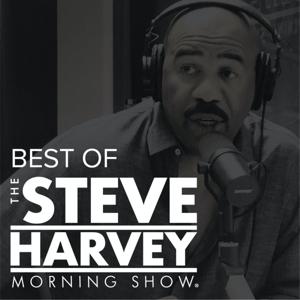
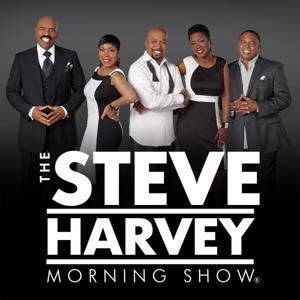
Missed the live show? Catch the best moments every day with Steve Harvey and his crew Shirley Strawberry, Carla Ferrell, Nephew Tommy, and Junior in this laugh-out-loud, can’t-miss recap of the #1 syndicated morning radio show in America. Follow and subscribe so you don’t miss the best of the best!
The Best of The Steve Harvey Morning Show brings you the funniest, most uplifting, and most unforgettable moments from Steve’s four-hour morning broadcast... all in a tight, on-demand package you can enjoy anytime. With a perfect blend of humor, heart, and high-energy entertainment, this podcast keeps you in the loop and laughing, even if you missed the full show. Subscribe now, leave a review, and share the love... because your mornings deserve a highlight reel!
Ranked by our users in the last 21 days

4,076 Listeners

2,178 Listeners
2,294 Listeners

14,202 Listeners
1,697 Listeners

1,385 Listeners
6,951 Listeners
2,218 Listeners

2,126 Listeners

3,444 Listeners

1,197 Listeners

488 Listeners
2,282 Listeners
160 Listeners

252 Listeners