
Sign up to save your podcasts
Or

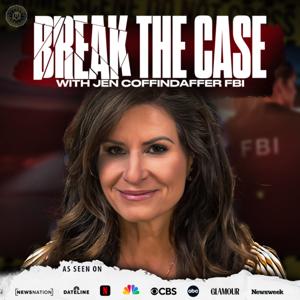

In the days surrounding the holidays, as communities across the country grapple with violence, the Brown University shooting has emerged as one of the most troubling and closely watched true crime stories in recent breaking news. The incident, which unfolded in Providence, Rhode Island, has raised urgent questions not only about what happened inside a single room on campus, but also about how authorities have handled the investigation, the messaging, and the public’s need for clarity and safety. From the earliest press conferences, the response stood out as unusual.
The mayor of Providence took a dominant role at the podium, a move rarely seen in active shooting investigations, where law enforcement leadership typically guides public communication. Alongside him were the state’s attorney general, the Providence police chief, federal authorities from the FBI, and Brown University’s president, creating a crowded and often conflicting message stream that left many observers unsettled. As details remained scarce, confusion grew over who was actually leading the investigation, how evidence was being processed, and why key resources were not deployed sooner. The Providence Police Department confirmed that only one room was involved, yet days passed before broader canvassing and federal evidence response teams were fully utilized.
The FBI’s involvement, normally requested early in complex violent crime cases, appeared delayed, raising concerns about missed opportunities to secure video, witness accounts, and critical forensic evidence. Messaging missteps compounded public anxiety when reports surfaced of a person allegedly in custody, only for officials to later clarify that the individual was merely detained as part of a lead. Such reversals echoed past high-profile cases where inconsistent statements fueled speculation and eroded trust.
The Brown University administration also faced scrutiny, as university leadership struggled to answer basic questions about the circumstances surrounding the incident, including what was taking place at the time of the shooting. As this investigation continues, the Brown University shooting stands as a stark example of how transparency, coordination, and timely communication are essential in true crime cases involving campuses and public safety. With multiple agencies involved and pressure mounting, the demand for clear answers grows louder, and the spotlight on Providence remains intense as the search for accountability and truth continues.
#BrownUniversityShooting #BreakingNews #TrueCrime #ProvidenceRhodeIsland #CampusShooting #FBIInvestigation #PoliceResponse #CrimeNews #Justice #PublicSafety
 View all episodes
 By Break The Case With Jennifer Coffindaffer

4.2
8989 ratings
In the days surrounding the holidays, as communities across the country grapple with violence, the Brown University shooting has emerged as one of the most troubling and closely watched true crime stories in recent breaking news. The incident, which unfolded in Providence, Rhode Island, has raised urgent questions not only about what happened inside a single room on campus, but also about how authorities have handled the investigation, the messaging, and the public’s need for clarity and safety. From the earliest press conferences, the response stood out as unusual.
The mayor of Providence took a dominant role at the podium, a move rarely seen in active shooting investigations, where law enforcement leadership typically guides public communication. Alongside him were the state’s attorney general, the Providence police chief, federal authorities from the FBI, and Brown University’s president, creating a crowded and often conflicting message stream that left many observers unsettled. As details remained scarce, confusion grew over who was actually leading the investigation, how evidence was being processed, and why key resources were not deployed sooner. The Providence Police Department confirmed that only one room was involved, yet days passed before broader canvassing and federal evidence response teams were fully utilized.
The FBI’s involvement, normally requested early in complex violent crime cases, appeared delayed, raising concerns about missed opportunities to secure video, witness accounts, and critical forensic evidence. Messaging missteps compounded public anxiety when reports surfaced of a person allegedly in custody, only for officials to later clarify that the individual was merely detained as part of a lead. Such reversals echoed past high-profile cases where inconsistent statements fueled speculation and eroded trust.
The Brown University administration also faced scrutiny, as university leadership struggled to answer basic questions about the circumstances surrounding the incident, including what was taking place at the time of the shooting. As this investigation continues, the Brown University shooting stands as a stark example of how transparency, coordination, and timely communication are essential in true crime cases involving campuses and public safety. With multiple agencies involved and pressure mounting, the demand for clear answers grows louder, and the spotlight on Providence remains intense as the search for accountability and truth continues.
#BrownUniversityShooting #BreakingNews #TrueCrime #ProvidenceRhodeIsland #CampusShooting #FBIInvestigation #PoliceResponse #CrimeNews #Justice #PublicSafety

8,730 Listeners
513 Listeners
855 Listeners
1,130 Listeners
603 Listeners

1,567 Listeners

2,446 Listeners
1,168 Listeners

2,205 Listeners

901 Listeners

842 Listeners

281 Listeners
2,392 Listeners
60 Listeners
916 Listeners