
Sign up to save your podcasts
Or

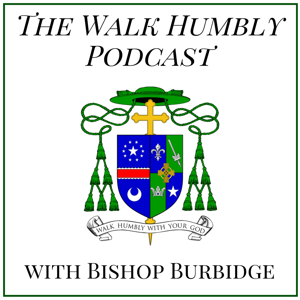

This is Bishop Michael Burbidge of the Catholic Diocese of Arlington. We live in a society in which transgressions or misjudgments from many years ago have a way of catching up to us. When one does not atone for their sins—meaning to make amends—the price can be heavy. However, we must be careful in navigating this “cancel culture.” How do we balance a sense of justice with mercy and forgiveness? On one hand, we know that our actions have consequences, often having a spiritual and practical price to pay. The problem with cancel culture is that being unforgiving towards others is simply unjust. Instead of “canceling” others, we should emulate the mercy and forgiveness of God, while upholding justice to our brothers and sisters. This balance is challenging. But no healthy society can exist where there is only “justice” and no mercy.
 View all episodes
 By Bishop Burbidge

4.8
165165 ratings
This is Bishop Michael Burbidge of the Catholic Diocese of Arlington. We live in a society in which transgressions or misjudgments from many years ago have a way of catching up to us. When one does not atone for their sins—meaning to make amends—the price can be heavy. However, we must be careful in navigating this “cancel culture.” How do we balance a sense of justice with mercy and forgiveness? On one hand, we know that our actions have consequences, often having a spiritual and practical price to pay. The problem with cancel culture is that being unforgiving towards others is simply unjust. Instead of “canceling” others, we should emulate the mercy and forgiveness of God, while upholding justice to our brothers and sisters. This balance is challenging. But no healthy society can exist where there is only “justice” and no mercy.
3,830 Listeners
4,974 Listeners
5,711 Listeners
810 Listeners
6,801 Listeners

4,191 Listeners

2,178 Listeners
1,362 Listeners

936 Listeners

1,288 Listeners
2,918 Listeners
920 Listeners
1,215 Listeners

750 Listeners
5,253 Listeners