
Sign up to save your podcasts
Or

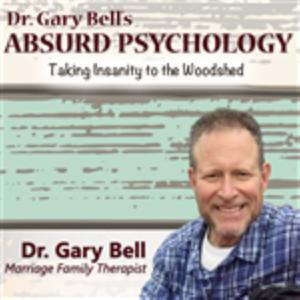

The desire to avoid conflict in a relationship is common, but for very different reasons. First, involvement with a partner who is unable to perspective-take makes it nearly impossible to work out difficulties constructively. Simple disagreements often escalate into epic battles. Understandably, a person may wish to avoid these nightmare fights by side-stepping the power struggles. Second, a partner who is egocentric may wish to dodge a person's disapproval; he or she hides selfish acts and avoids conversations focused on issues in the relationship. When exposed, he or she may claim, "I didn't tell you because I didn't want to stress you out." The partner is conflict-avoidant because he or she wishes to escape disapproval or opposition. This type of evasion may be destructive. Tune in and learn all about conflict avoidance!
 View all episodes
 By Dr. Gary Bell
5
33 ratings
The desire to avoid conflict in a relationship is common, but for very different reasons. First, involvement with a partner who is unable to perspective-take makes it nearly impossible to work out difficulties constructively. Simple disagreements often escalate into epic battles. Understandably, a person may wish to avoid these nightmare fights by side-stepping the power struggles. Second, a partner who is egocentric may wish to dodge a person's disapproval; he or she hides selfish acts and avoids conversations focused on issues in the relationship. When exposed, he or she may claim, "I didn't tell you because I didn't want to stress you out." The partner is conflict-avoidant because he or she wishes to escape disapproval or opposition. This type of evasion may be destructive. Tune in and learn all about conflict avoidance!