
Sign up to save your podcasts
Or

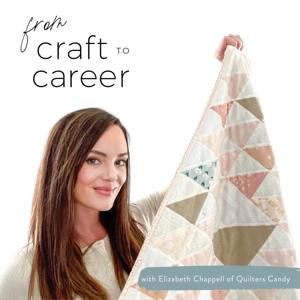


What does it actually take to write a book, and keep writing them, year after year? In this episode, I sit down with NYT bestselling author Katherine Center for a warm, behind-the-scenes look at her life as a writer.
Katherine is the author of thirteen novels Amazon, including her newest release, The Shippers, a friends-to-lovers romance set aboard a cruise ship. Two of her books have hit the global Top 10 on Netflix Amazon, Happiness for Beginners and The Lost Husband, and she has become one of the most beloved voices in contemporary romance fiction.
In this episode, Katherine shares how she got her start as an author, what her writing process and day-to-day life actually look like, and what keeps her inspired book after book. Whether you're a longtime fan or new to her work, this conversation is a good reminder that creative careers are built one page at a time.
About Katherine's New Book:
The Shippers follows JoJo Burton, who ropes in her childhood best friend Cooper as her wingman at her sister's destination wedding on a cruise ship Amazon, with results she didn't plan for. Katherine lives in her hometown of Houston, Texas Goodreads, which felt like a fun full-circle fact to share with our Texas listeners!
Find Katherine:
What if the funding to grow your quilting business was already sitting in your local community, waiting for someone like you to apply for it?
In this episode of the Craft To Career Podcast, I'm talking with Eva Saunders of Gingerly Quilt Co. about the unique way she has grown her quilting business: by applying for and receiving local grants for small creative businesses.
These grants have helped Eva develop online quilting courses, invest in her ideas, and grow Gingerly Quilt Co. without relying only on pattern sales. Her story is such a good reminder that there are creative ways to fund a quilting business, and sometimes the resources you need may be closer than you think.
Eva has also created a beautiful and memorable niche as a quilt pattern designer. With her background and love for art history, she designs quilts inspired by famous works of art and artistic movements. From a Starry Night quilt inspired by Van Gogh to Art Deco quilt patterns, Eva brings fine art into quilting in a way that feels fresh, meaningful, and completely her own.
In this episode, we will talk about:How Eva discovered grant opportunities in her local community
What the grant application process looked like for her creative business
Why niching down into art history quilts helped her stand out as a pattern designer
How she turns famous artwork into quiltable designs
The unique construction methods behind her art quilts
How turning quilt patterns into online quilting courses opened up new revenue streams
What it looks like to build a quilting business around your personal interests and expertise
Listen to this episode if you:Are a quilt pattern designer looking for new ways to fund your business
Have wondered if grants for small creative businesses could help you grow
Want to create more unique and memorable quilt patterns
Are interested in art quilts, art history quilts, or fine-art-inspired quilting
Feel like you need help finding a niche that feels true to you
Want to learn how online quilting courses can become another revenue stream
Eva's story is full of practical insight and creative inspiration. Whether you are dreaming of applying for a grant, creating a course, or developing a niche pattern design style of your own, this conversation will give you so much to think about.
About Eva SaundersEva Saunders is the quilt pattern designer behind Gingerly Quilt Co. Her work blends quilting, art history, and creative construction methods to create patterns that feel like works of art. Through Gingerly Quilt Co., Eva creates art-inspired quilt patterns and online quilting courses that help quilters bring famous artwork and beautiful design movements into their own quilts.
Chris of Modern American Vintage shares how he built a handmade maker business creating wood quilting notions, plus advice for craft entrepreneurs.
Ever wondered what it takes to build a handmade maker business from the ground up? In this episode, Chris of Modern American Vintage pulls back the curtain on how he turned woodworking into a thriving small business serving the quilting community.
Chris shares the unexpected path that led him into quilting, what his daily process looks like, how he prices his work, and the surprises that have come with running a creative business. If you're a maker thinking about turning your craft into a career, this conversation is for you.
In this episode:
Connect with Chris:
Artificial Intelligence is one of the biggest conversations happening in the creative world right now, and in this episode of The Craft to Career Podcast, I sat down with Theresa Benson of The AI Quilter to talk about it all.
Theresa gives a thoughtful look into the use of Artificial Intelligence as a quilter, artist, and business owner. We talk about the hot topics so many creatives are wondering about, like whether AI steals art, how it impacts the environment, what we can do about it, and how to think through using AI in an ethical and intentional way.
And spoiler alert: this conversation is not as one-sided as you might think.
If AI feels exciting, confusing, inspiring, or even a little unsettling, this episode will give you a lot to think about. Theresa brings nuance, wisdom, and a balanced perspective to a topic that affects artists and business owners more and more each day.
In This Episode, We Talk About:Water Runs Through Everything We Build https://theaiquilter.com/water-runs-through-everything-we-build
The Conscious Creative's Guide: AI Tools That Won't Steal Your Soul https://theaiquilter.com/the-conscious-creatives-guide-ai-tools-that-wont-steal-your-soul
Thirsty Intelligence Whitepaper https://bit.ly/CostOfAI
Ethics & Values Articles from The AI Quilter https://theaiquilter.com/category/ethics-and-values
Digital Muse Landing Page https://theaiquilter.com/digital-muse-for-quilters-and-creatives-f25
Digital Muse Product Page https://theaiquilter.com/product/digital-muse-bringing-ai-into-your-creative-process
Digital Muse on Amazon https://amzn.to/4rVICfU
About Theresa Benson https://theaiquilter.com/about
About Theresa BensonTheresa Benson, also known as The AI Quilter, helps quilters, artists, and creative business owners think more carefully and creatively about technology. Her work explores how AI can be used in ways that support human creativity rather than replace it, with an emphasis on ethics, responsibility, and keeping your own voice at the center of your work.
What do felt squares, an old sewing machine, and a spark of creativity have in common? For Michael Eason, they were the beginning of a quilting journey that led him to found Quilchemy and become a respected English Paper Piecing educator.
In this episode, Michael shares how he unexpectedly discovered quilting and quickly realized it was far more creative and expansive than he had imagined. Once he found English Paper Piecing, commonly known as EPP, he was hooked. He fell in love with the precision, portability, and endless design possibilities of this hand-stitching technique, and it eventually became the foundation of his business.
Michael shares the story behind Quilchemy, the work he does today, and how he helps quilters build confidence and skill with EPP. We also talk about the common challenges quilters face when learning EPP, what makes the technique so rewarding, and where Michael hopes to take his business next.
Whether you are brand new to quilting, curious about English Paper Piecing, or looking for inspiration from someone who built a creative business in a unique niche, this conversation is full of encouragement and insight.
In This Episode, We Cover:
Connect with Michael Eason and Quilchemy:
When I asked, "Which quilt shop owners do you want to hear from?" Cheryl Sleboda's name was at the top of the list—and after this conversation, you'll understand why.
Cheryl is the owner of Muppins Emporium in Paducah, Kentucky, and she's built a brick-and-mortar shop that stands out in a crowded industry.
In this episode, Cheryl shares the origin story of her shop, the fascinating history of the building it's in, and how she's used that history to create a memorable brand experience.
We also dig into the business side: how she thinks about marketing, narrowing a niche, choosing fabrics and products, and what to consider when buying inventory so it actually sells. If you've ever wondered what it takes to run a successful quilt shop, this is a must-listen.
What You'll Learn in This EpisodeHow Cheryl got started and why she chose to open a quilt shop in Paducah
How the history of her building became part of her brand story
Why "narrowing your niche" can be a growth strategy (not a limitation)
How Cheryl thinks about marketing and standing out to the quilting community
Behind-the-scenes inventory decisions: fabric selection, product mix, and what sells
What makes a brick-and-mortar shop worth traveling for
Muppins Emporium
Cheryl Sleboda on Instagram
Dreaming of owning a quilt shop (or already running one)
Curious how destination quilt shops are built
Wanting real talk on marketing + niche + inventory decisions
Looking for ideas to create an unforgettable customer experience
If you enjoyed this episode, take a screenshot, share it on Instagram, and tag me @quilters_candy, and don't forget to tag @muppinsemporium so Cheryl can see!
In this episode of the Craft to Career Podcast, I'm joined by Abby Glassenberg, founder of the Craft Industry Alliance — an organization created to help makers, designers, teachers, and creative entrepreneurs build real, sustainable businesses.
Many creatives start with a love of making, but quickly discover that success requires much more than talent. It requires education, connections, and support. Abby shares why she created the Craft Industry Alliance, what resources are available (both free and paid), and how makers can avoid common business mistakes by learning from others in the industry.
We also talk about the changing craft industry, what opportunities exist right now, and why community may be one of the most valuable business tools a creative entrepreneur can have.
Whether you want to publish quilt patterns, teach, design fabric, or grow a handmade business, this conversation will help you understand where to find support and how to move forward with confidence.
What You'll LearnWhy Abby started the Craft Industry Alliance
The biggest struggles creative entrepreneurs face
Why business education matters for makers
Free resources available to creatives
The benefits of joining the Craft Industry Alliance
How networking helps grow a creative business
What the future of the craft industry looks like
Abby Glassenberg is the founder of the Craft Industry Alliance, a professional organization for craft professionals including designers, teachers, shop owners, writers, and manufacturers. She is also a long-time craft entrepreneur and podcast host dedicated to helping makers succeed in business.
What if getting a degree in design didn't mean writing a thesis—but instead meant building a real, revenue-generating business?
In this episode, I'm joined by Carina Gardner, who is doing something truly bold: she's opened her own university.
The University of Arts and Design is unlike any traditional university experience. Think of it as a trade school for creatives, where students learn practical, real-world skills—like keeping their books with QuickBooks, pricing their work, and running a profitable business.
Instead of writing a thesis for a master's degree, students are required to create and run a business.
Carina knows both sides of the academic world. She holds a PhD from the University of Minnesota and spent years watching talented creatives hear the same discouraging messages:
"You can't earn money as a creative."
"Don't study art—you'll just be a starving artist."
But Carina—and many of her peers—are living proof that those statements simply aren't true.
In this conversation, Carina shares how creatives can build multiple six-figure businesses by selling their art and designs—not by teaching others how to be creative, but by doing the work themselves.
This episode is an inspiring look at what's possible when creativity and business come together—with intention, structure, and confidence.
In this episode, we talk about:Why Carina started the University of Arts and Design
How this model differs from traditional art and design degrees
What creatives actually need to learn to earn real income
Why running a business replaces a thesis
How artists and designers can build sustainable, profitable careers
If you've ever loved creating—but wondered how to make it financially sustainable—this episode will open your eyes to a new way forward.
🎧 Come meet Carina and learn all about the university she's built—and the future she believes creatives deserve.
In this episode, I'm joined by Dawn Jett, founder of Spruce Micro, a company I truly love and personally use.
Spruce Micro has one of the most compelling business models I've seen, and it solves a very real problem for so many people: stubborn skin concerns like dark spots, large pores, uneven skin tone, and texture issues that just don't respond to one-size-fits-all solutions.
Dawn shares why she started Spruce Micro, how the business works, and what makes it so different from traditional skincare clinics.
Here's the unique part: Spruce Micro doesn't rely on lasers or chemical peels. Instead, every client receives a fully customized skincare protocol, tailored specifically to their skin, lifestyle, and goals. No generic routines.
Everything is done virtually. Clients send in high-quality photos of their skin, Dawn and her team carefully look at your skin concerns, then they create a personalized morning and evening routine you can do entirely from home. And the results? Truly impressive.
Dawn has worked with thousands of clients across all skin tones and skin types, helping people achieve results that exceed what they thought was possible.
I've personally been working with Dawn for several months now, and I'm beyond pleased with my own results, which is why I asked her to come on the podcast. Not just to talk about skincare, but to break down the business model behind Spruce Micro.
In this conversation, we explore why Spruce Micro is such a strong, sustainable business:
It solves a clear, specific problem
It's membership-based, allowing flexibility while encouraging long-term loyalty
It's highly personalized and difficult to replicate
These are the ingredients of a business built to last.
Whether you're interested in improving your complexion or you're a business owner looking for inspiration you can apply to your own work, this episode is packed with insight.
Have you ever wondered whether you could truly make a living selling quilts? In this episode of the Craft to Career podcast, Sarah LoCascio, the creative entrepreneur behind Caravan Quilts, shares her answer. And it's a big, resounding YES.
Sarah has built a quilting business that's unique in the industry. Her weekly quilt drops sell out quickly because her approach blends three powerful elements:
Genuine product scarcity
Deep education and storytelling
A compelling focus on history and craftsmanship
It's a recipe that not only delights her audience, but also proves that quilters can earn real income selling quilts.
What You'll Learn in This Episode 1. How Caravan Quilts StartedSarah shares when and why she began her business, the inspiration behind her unique model, and how it took shape over time.
2. The Power of Scarcity in Handmade GoodsDiscover why having a limited number of quilts available each week actually increases demand and keeps customers excited.
3. Why Education Sets Her Business ApartSarah explains how teaching her audience about quilt history, construction, care, and storytelling builds trust and connection.
4. A Day in the Life of a Quilt SellerGet an honest look at what her schedule, workflow, sourcing, and production timelines look like.
5. What Makes Her Business Different From Other Quilting CareersFrom sourcing vintage quilts to curating collections, Sarah's daily work looks very different from a typical quilter or designer.
6. Tips for Anyone Who Wants to Earn Money Selling QuiltsSarah offers advice for beginners, including what to focus on first, how to set yourself apart, and what pitfalls to avoid.
Episode HighlightsHow Sarah discovered a market willing to pay premium prices for quilts
Why storytelling can transform your product sales
The systems she uses to manage inventory and weekly drops
How she built a loyal, engaged customer base
The role social media plays in showcasing her work
What success looks like behind the scenes of a quilt-selling business
According to Sarah—yes. With intention, a strong brand voice, consistent storytelling, and a thoughtful business model, quilting can be a sustainable career.
This episode is perfect for you if:
You dream of selling quilts online or at markets
You want to understand real-world business models in the quilting world
You're curious how other quilters make a living
You love hearing creative, entrepreneurial stories
You want to learn from someone successfully doing what many assume isn't possible
From the publisher's feed
717 Listeners
2,484 Listeners
2,085 Listeners

6,691 Listeners

12,076 Listeners
266 Listeners
219 Listeners
331 Listeners
347 Listeners

218 Listeners

98 Listeners
317 Listeners
364 Listeners
144 Listeners
19 Listeners