
Sign up to save your podcasts
Or

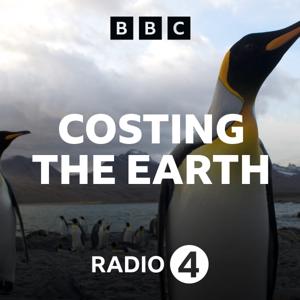

The disastrous global harvest of 2012 has slashed food supplies from the parched Mid-West of the USA to the dusty plains of Ukraine. In this time of crisis many farmers are asking if they should continue to grow crops to be turned into fuel for cars and power stations when they could be feeding more people.
Costing the Earth visits the American corn-belt of Missouri and the rape fields of Bedfordshire to investigate the international impact of the tightening food supplies and ask if we need to get used to more extreme weather patterns over the coming decades. Can scientists help farmers grow crops that are more resistant to drought and flood or should we accept that all of our fertile land should be turned over to food production?
Producer: Steve Peacock.
 View all episodes
 By BBC Radio 4

4.7
5454 ratings
The disastrous global harvest of 2012 has slashed food supplies from the parched Mid-West of the USA to the dusty plains of Ukraine. In this time of crisis many farmers are asking if they should continue to grow crops to be turned into fuel for cars and power stations when they could be feeding more people.
Costing the Earth visits the American corn-belt of Missouri and the rape fields of Bedfordshire to investigate the international impact of the tightening food supplies and ask if we need to get used to more extreme weather patterns over the coming decades. Can scientists help farmers grow crops that are more resistant to drought and flood or should we accept that all of our fertile land should be turned over to food production?
Producer: Steve Peacock.

7,669 Listeners

1,049 Listeners

5,528 Listeners

1,795 Listeners

1,753 Listeners

1,045 Listeners

1,921 Listeners

757 Listeners

110 Listeners

3,166 Listeners
1,003 Listeners
176 Listeners

2,050 Listeners