
Sign up to save your podcasts
Or

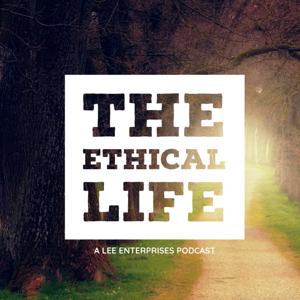

Episode 228: In early January, advice is everywhere. Friends offer encouragement. Social media fills with tidy aphorisms. But beneath the flood of guidance sits an uncomfortable question we rarely confront: How much of what happens to us is actually within our control?
Hosts Richard Kyte and Scott Rada take on that question by examining the role chance plays in shaping lives — and how ignoring it can distort the way people judge themselves and others.
The conversation begins with a familiar moment: times of transition. New jobs, moves, health scares and relationship changes often leave people searching for direction. Those moments, Rada notes, are when advice feels most powerful — and most dangerous. Kyte argues that advice often sounds wiser in hindsight than it truly is, especially when people mistake favorable outcomes for proof that certain paths were inevitable.
Throughout the episode, the hosts explore why stories of achievement tend to emphasize effort and intention while quietly overlooking randomness, timing, and circumstance. That omission, they suggest, fuels harsh self-judgment and unfair assumptions about others. When things go well, people feel deserving. When they do not, blame comes easily.
Kyte draws on philosophy, behavioral research and personal experience to explain how probability, preparation and habit matter — but never operate alone. A discussion of health decisions, including lifestyle changes prompted by medical warning signs, illustrates how agency and uncertainty coexist rather than compete. Doing the “right” things, Kyte says, increases odds but never guarantees results.
 View all episodes
 By Scott Rada and Richard Kyte


3.8
2323 ratings
Episode 228: In early January, advice is everywhere. Friends offer encouragement. Social media fills with tidy aphorisms. But beneath the flood of guidance sits an uncomfortable question we rarely confront: How much of what happens to us is actually within our control?
Hosts Richard Kyte and Scott Rada take on that question by examining the role chance plays in shaping lives — and how ignoring it can distort the way people judge themselves and others.
The conversation begins with a familiar moment: times of transition. New jobs, moves, health scares and relationship changes often leave people searching for direction. Those moments, Rada notes, are when advice feels most powerful — and most dangerous. Kyte argues that advice often sounds wiser in hindsight than it truly is, especially when people mistake favorable outcomes for proof that certain paths were inevitable.
Throughout the episode, the hosts explore why stories of achievement tend to emphasize effort and intention while quietly overlooking randomness, timing, and circumstance. That omission, they suggest, fuels harsh self-judgment and unfair assumptions about others. When things go well, people feel deserving. When they do not, blame comes easily.
Kyte draws on philosophy, behavioral research and personal experience to explain how probability, preparation and habit matter — but never operate alone. A discussion of health decisions, including lifestyle changes prompted by medical warning signs, illustrates how agency and uncertainty coexist rather than compete. Doing the “right” things, Kyte says, increases odds but never guarantees results.

90,933 Listeners
21,947 Listeners

43,953 Listeners

38,517 Listeners

43,529 Listeners

38,824 Listeners

27,092 Listeners
10,184 Listeners

7,716 Listeners
12,765 Listeners

113,035 Listeners

2,365 Listeners

16,469 Listeners
14,404 Listeners
10 Listeners

48 Listeners

16,446 Listeners
8 Listeners
4 Listeners

11 Listeners
9 Listeners