
Sign up to save your podcasts
Or

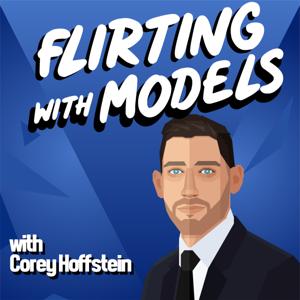

In many ways, the topic of conversation for this episode revolves around what ultimately amounts to a fairly vanilla, almost-index like portfolio.
The asset class in question, however, may verge on the exotic for listeners with less fluency in the field of derivatives.
My guest is Eric Ervin, President and CEO of Reality Shares, and he has joined me to discuss their flagship ETF DIVY. I would argue that DIVY is one of the few exposures that fits the definition of both being liquid and alternative. By tapping into the OTC market, Eric and his team build a portfolio of 1-to-5 year dividend swaps, which have historically earned investors a unique return known as the dividend risk premium.
Eric’s confidence to bring such a unique product into the market was borne from his experience as an advisor, where he utilized alternatives extensively with his clientele. Learning more about this experience in evaluating alternatives and the mental framework he used that allowed him to allocate upwards of 50% of client portfolios to alternatives is where we begin our conversation.
 View all episodes
 By Corey Hoffstein

4.9
228228 ratings
In many ways, the topic of conversation for this episode revolves around what ultimately amounts to a fairly vanilla, almost-index like portfolio.
The asset class in question, however, may verge on the exotic for listeners with less fluency in the field of derivatives.
My guest is Eric Ervin, President and CEO of Reality Shares, and he has joined me to discuss their flagship ETF DIVY. I would argue that DIVY is one of the few exposures that fits the definition of both being liquid and alternative. By tapping into the OTC market, Eric and his team build a portfolio of 1-to-5 year dividend swaps, which have historically earned investors a unique return known as the dividend risk premium.
Eric’s confidence to bring such a unique product into the market was borne from his experience as an advisor, where he utilized alternatives extensively with his clientele. Learning more about this experience in evaluating alternatives and the mental framework he used that allowed him to allocate upwards of 50% of client portfolios to alternatives is where we begin our conversation.
3,074 Listeners

592 Listeners
2,187 Listeners

1,981 Listeners

952 Listeners

805 Listeners

83 Listeners
206 Listeners

90 Listeners

100 Listeners

418 Listeners
271 Listeners
213 Listeners
402 Listeners
153 Listeners