
Sign up to save your podcasts
Or

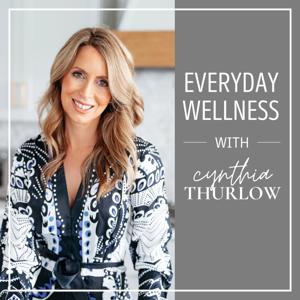


Based on Podcast App listening data
Today, I am honored to connect with doctors Andy Lazris and Alan Roth, the authors of A Return to Healing. Dr. Lazris, a physician practicing geriatric primary care medicine in Maryland, is a Certified Medical Director who orchestrates medical care and provides education for several long-term care facilities. Dr Roth is a physician, practicing family medicine and palliative care in New York. He is the Chairman of the Department of Family Medicine and Ambulatory Care at MediSys Health Network.
In our discussion, we explore the impact of the Flexner Report, including how it has reshaped our medical system and clinical guidelines, expanded the definition of disease, and influenced critical thinking. Drs. Lazris and Roth explain how challenging established medical dogma becomes even more problematic within a Flexnerian framework. They examine the prevalence of ineffective and costly procedures, the manipulation of research studies, the role of documentation in medical literature, and the impact of terms like non-compliant and histrionic on the quality of patient care. They also clarify what actually happens with screening measures and how patients can find excellent care.
Their book, A Return to Healing, is truly a love letter to their communities. It is a must-read for anyone seeking to understand the complexities of our current medical system and how it has gotten derailed.
IN THIS EPISODE, YOU WILL LEARN:
Why doctors should question dogma and think critically rather than just following medical guidelines
How medical training encourages standardized testing and discourages nuanced and patient-centered thinking
How our profit-driven system rewards procedures and prescriptions over proper patient care
Why drugs can sometimes cause more harm than good, and how elderly patients often suffer due to overprescribing
How drug companies manipulate statistics to make small benefits seem huge
Why patient noncompliance can often mean informed refusal rather than ignorance or defiance
How biased medical documentation may unfairly target women and minorities
Modern fast-food-type medicine and eroding trust within the doctor–patient relationship
Why shared decision-making is meaningless in a system built on one-size-fits-all dogma
Protecting yourself within a dysfunctional medical system
Connect with Cynthia Thurlow
Connect with Dr. Andy Lazris and Dr. Alan Roth
I am delighted to have my good friend and fan-favorite, Dr. Tabatha Barber, join me again to share her wisdom on the podcast!
Dr. Tabatha is a triple board-certified OB/GYN specializing in menopause and functional medicine. She has a wonderful podcast called The Gutsy Gynecologist Show and is often referred to affectionately as the Gutsy Gynecologist. Dr. Tabatha was with me in two previous podcast episodes, #206 and #212, and both are in the top twenty downloaded podcasts in the last 18 months!
Many women suffer unnecessarily when going through perimenopause and menopause. Dr. Tabatha and I have an AMA (Ask Me Anything) episode today. We discuss weight gain related to perimenopause and menopause, issues with estrogen replacement therapy, how many different factors can impact libido, how to address a partial hysterectomy and HRT, and bioidenticals versus synthetic hormones. We also get into lab work, skin reactions relative to perimenopause and menopause, emotional eating, leptin resistance, and many other topics.
I’m grateful for all the great questions and have no doubt this episode with Dr. Tabatha will be another fan-favorite!
IN THIS EPISODE YOU WILL LEARN:
Why do too much estrogen and too little estrogen both cause weight gain?
How fragrances and plastic contribute to the imbalance between estrogen and progesterone.
How changing to organic tampons and pads, or using a Diva cup, can be a game-changer for women.
Should women who have had a partial hysterectomy and are on HRT still check progesterone and testosterone levels and fast like a post-menopausal female?
Dr. Tabatha shares her thoughts on plain estradiol versus Biest and Triest.
Dr. Tabatha offers her recommendations for a healthy 48-year-old female with zero libido.
What can a 17-year-old with high testosterone do to get her testosterone level within the normal range?
Is there a biological or mindset issue at play if you never feel full and always want to eat, irrespective of how healthy or satisfying the foods you eat are?
The benefits of fasting.
What can we do to support our pelvic joints?
How do our hormones affect our skin?
Connect with Cynthia Thurlow
Follow on X, Instagram & LinkedIn
Check out Cynthia’s website
Submit your questions to [email protected]
Join other like-minded women in a supportive, nurturing community (The Midlife Pause/Cynthia Thurlow)
Cynthia’s Menopause Gut Book is on presale now!
Cynthia’s Intermittent Fasting Transformation Book
The Midlife Pause supplement line
Connect with Dr. Tabatha Barber
On her website
The Gutsy Gynecologist Show
Episode 206 Pt 1: A Deep Dive into Perimenopause- Hormonal Imbalances and Birth Control with Dr. Tabatha Barber
Episode 212 Pt. 2: A Deep Dive into Hormonal Imbalances and Menopause with Dr. Tabatha Barber
Books mentioned:
The XX Brain by Lisa Mosconi
I am thrilled to reconnect with Dr. Sanjay Bhojraj today. Dr. Bhojraj is a board-certified interventional cardiologist who became a pioneer in functional medicine.
In our conversation, we dive into palpitations, which are a common complaint among perimenopausal and menopausal women. We explore red flag symptoms, the physiological effects of progesterone, estrogen, and testosterone as they relate to heart arrhythmias, EKG changes during the perimenopause-to-menopause transition, and wearable technologies. We unpack the differences between benign and more concerning arrhythmias, risk factors for atrial fibrillation, and the process of taking a thorough history, ordering the correct tests, and using imaging or sleep studies when appropriate. We cover treatment pathways, from lifestyle modifications to medications, channelopathies, and the genetic propensities for conditions such as Long QT, Brugada Syndrome, WPW (Wolff-Parkinson-White syndrome), and sudden cardiac death. We also highlight the importance of genetic testing for individuals with a family history of those conditions.
Today’s conversation with Dr. Sanjay Bhojraj is full of practical wisdom and clinical pearls, so you will most likely want to listen to it more than once.
IN THIS EPISODE, YOU WILL LEARN:
Why thyroid function should always be taken into account when assessing heart rhythm issues
How stress and life circumstances can trigger palpitations
The benefits of magnesium supplementation for supporting heart health
What ventricular arrhythmias (from the bottom chambers) and atrial arrhythmias (from the top chambers) are commonly related to
The value of monitoring for identifying the nature and severity of arrhythmias
How sleep apnea can increase the risk of arrhythmia
The importance of exercise, stress management, and healthy lifestyle habits for supporting heart rhythm
Why certain arrhythmias may require procedural interventions
Why various types of athletic activity matter when evaluating arrhythmias
How genetic factors can impact specialized heart assessments
Connect with Cynthia Thurlow
Follow on X, Instagram & LinkedIn
Check out Cynthia’s website
Submit your questions to [email protected]
Join other like-minded women in a supportive, nurturing community (The Midlife Pause/Cynthia Thurlow)
Cynthia’s Menopause Gut Book is on presale now!
Cynthia’s Intermittent Fasting Transformation Book
The Midlife Pause supplement line
Connect with Dr. Sanjay Bhojraj
On his website
On social media: @DoctorSanjayMD
The Curious Cardiologist Podcast
I am dedicating today's entire episode to colonoscopies.
When I had my fifth colonoscopy yesterday, I shared the before-and-after experience online and received a flood of responses. Healthcare professionals thanked me for the transparency, while many followers admitted they were anxious, postponing their own procedures, or worried about the small likelihood of complications.
With my own strong family history of precancerous polyps and years of firsthand experience, I wanted to dive deeper so I can speak from both knowledge and empowerment.
Join me as I unpack the facts to dispel your fears and bring a sense of calm confidence to this potentially life-saving procedure.
IN THIS EPISODE, YOU WILL LEARN:
How the rising incidence of colorectal cancer in younger women has led to a need for earlier detection
How colorectal cancer symptoms often get misattributed to stress, perimenopause, hemorrhoids, or other hormonal changes
The risk factors of colonoscopies
Various types of colonoscopy prep
How colonoscopy prep impacts the gut microbiome
How probiotics can help reduce post-colonoscopy GI symptoms
What women need to know about sessile serrated polyps
How perimenopause and menopause alter colorectal cancer risk in women
What major clinical trials reveal about prevention and long-term protection
Some alternatives to traditional colonoscopy
Connect with Cynthia Thurlow
Follow on X, Instagram & LinkedIn
Check out Cynthia’s website
Submit your questions to [email protected]
Join other like-minded women in a supportive, nurturing community: The Midlife Pause/Cynthia Thurlow
Cynthia’s Menopause Gut Book is on presale now!
Cynthia’s Intermittent Fasting Transformation Book
The Midlife Pause supplement line
Research Links:
Risk of colorectal cancer seven years after flexible sigmoidoscopy screening: randomised controlled trial
Once-only flexible sigmoidoscopy screening in prevention of colorectal cancer: a multicentre randomised controlled trial
Effect of Colonoscopy Screening on Risks of Colorectal Cancer and Related Death
Response: Re: Mobile Phone Use and Brain Tumors in Children and Adolescents: A Multicenter Case–Control Study
Once-Only Sigmoidoscopy in Colorectal Cancer Screening: Follow-up Findings of the Italian Randomized Controlled Trial—SCORE
Blood Test Could Provide Colonoscopy Alternative for Colorectal Cancer Screening
Alteration in gut microbiota after colonoscopy: proposed mechanisms and the role of probiotic interventions
Adverse events related to colonoscopy: Global trends and future challenges
Today, I am delighted to connect with Dr. Sameena Rahman, a board-certified OBGYN and certified menopause practitioner with over a decade of expertise in midlife sexual medicine and concierge gynecology. Dr. Rahman founded the GSM Collective in downtown Chicago to deliver a more personalized patient-first model of health care for women.
In our conversation, we explore how cultural and racial factors influence care for women, particularly during the menopausal transition. We discuss the heart disease risk of women with a baseline of inflammation and insulin resistance, the effects of allostatic load on minority women, why cognitive health is crucial, the impact of alcohol, and why the current medical model is a systemic failure that gaslights women. We also examine the impact of pelvic floor therapy, appropriate pelvic examinations, specific autoimmune vulvar conditions, and how oral contraceptives affect sexual health, and Dr. Rahman shares her recommendations for preventing frailty and loss of independence.
I am a big admirer of Dr. Rahman’s work and look forward to having her join us again after her new book is published.
IN THIS EPISODE, YOU WILL LEARN:
Why Hormone Replacement Therapy alone might not solve all menopausal genital issues
How pelvic floor issues can even affect women who have not given vaginal births
What a routine Pap smear can miss, regarding vulvar and vestibular health
What a simple Q-tip test can reveal about vulvar pain
How untreated pain can create a cycle of pelvic floor problems
How local hormone therapy can target vulvar and vestibular pain where systemic hormones may fall short
The benefits of trauma-informed exams
The value of integrating pelvic floor therapy with local hormone treatment
How long-term birth control use might affect vulvar tissue
What to consider for balancing contraception with sexual health
Bio: Dr. Sameena Rahman
Dr. Sameena Rahman is a board-certified OB/GYN, sex-med gynecologist, menopause specialist, and a clinical assistant professor of OB/GYN at the Northwestern Feinberg School of Medicine. She is the founder of the GYN & Sexual Medicine Collective, a successful concierge practice that emphasizes evidence-based medicine, and an affiliate of Ms. Medicine. Dr. Rahman is dedicated to evaluating and treating each patient with compassion, trauma-informed care, and an awareness of personal bias. Additionally, she hosts the podcast Gyno Girl Presents: Sex, Drugs & Hormones and will release her first book, Brown Girls Disease? A Guide To Sexual Health and Empowerment through a South Asian Lens in 2026.
Connect with Cynthia Thurlow
Connect with Dr. Sameena Rahman
The GSM Collective
Dr. Sameena Rahman on Instagram (@gynogirl)
Gyno Girl Presents Sex, Drugs and Hormones (Podcast)
Resources
Find a practitioner to assist with your sexual concerns
The International Society for Vulvo Vaginal Diseases
The National Vulvodynia Association
Prosayla (Female Sexual Health Education)
Today, I am privileged to connect with Sal Di Stefano. Sal is a sought-after fitness and health expert with a straightforward, uncomplicated communication style. He is also a co-host of the immensely popular Mind Pump Podcast.
In our discussion, we explore why the scale is an ineffective measure of success in our culture, particularly for women. We dive into the effects of body image and dysfunctional relationships with our bodies, contrasting self-hate patterns with self-love patterns. We look at ways to train differently in middle age with the challenges of perimenopause and menopause, and consider the impact of physiological changes during pregnancy and the postpartum period. We also cover signs of overtraining and intuitive nutrition and address many listeners' questions about reverse dieting, hormetic strategies, and authenticity.
I am sure you will love this conversation, and I look forward to having Sal back on the show in 2024.
IN THIS EPISODE YOU WILL LEARN:
The limitations of relying solely on weight as a measure of success in health and wellness
Why we should focus on the full scope of fitness and diet rather than a specific number or metric
How patterns of self-hatred can lead to unhealthy behaviors
How to practice self-care with exercise and a healthy diet
Why exercise routines should be founded on factors like sleep, stress, fitness levels, and diet
The importance of starting with small, manageable steps toward self-care and weight loss
Why strength training is the most effective exercise for women in perimenopause and menopause
How high-performing athletes prioritize recovery and rest to prevent burnout and injury
Post-pregnancy muscle recruitment patterns and exercises
Diet and nutrition for improved mental clarity and physical performance
The benefits of strength training for muscle growth and hormone balance
Connect with Cynthia Thurlow
Follow on X, Instagram & LinkedIn
Check out Cynthia’s website
Submit your questions to [email protected]
Join other like-minded women in a supportive, nurturing community (The Midlife Pause/Cynthia Thurlow)
Cynthia’s Menopause Gut Book is on presale now!
Cynthia’s Intermittent Fasting Transformation Book
The Midlife Pause supplement line
Connect with Sal Di Stefano
On YouTube
Mind Pump Podcast
Today, I am delighted to reconnect with my friend and colleague, Dr. Mindy Peltz, a New York Times bestselling author and a leading voice in women's health, hormones, and aging. She has written several books, with her most recent being Age Like A Girl. She also has a top-ranking podcast and YouTube channel.
In our conversation today, we’ll explain how you can reframe menopause as an evolutionary upgrade. We dive into the neurochemical shifts that occur in menopause, exploring Carol Gilligan's work, the purpose of menopause, the influence of the Gen X generation, and how trauma influences our perimenopause and menopause experiences. We unpack the role of oxytocin, clarify why clutter is problematic, and discuss the effects of environmental psychology. We also highlight the critical importance of bioindividuality at this stage of life, and Dr. Mindy shares the books she likes and recommends.
This discussion with Dr. Mindy is personal and deeply philosophical, inviting you to contemplate ideas that will continue to resonate with you long after it ends.
IN THIS EPISODE, YOU WILL LEARN:
How setting boundaries improves relationships and preserves energy in midlife
Why children transitioning to adulthood must be allowed to handle responsibilities
How parental over-involvement can hinder the independence of young adults
How the neurochemical shifts in perimenopause and menopause alter women’s emotional responses and priorities
The value of novelty and new experiences for supporting mental and emotional health
How clutter impacts stress levels, especially during hormonal changes
The benefits of creating calm environments to regulate the brain and emotional system
How downsizing can bring profound peace and freedom
Why solitude and personal space are essential for self-regulation in midlife
How menopause creates the need for recalibrating relationship boundaries
Connect with Cynthia Thurlow
Follow on X, Instagram & LinkedIn
Check out Cynthia’s website
Submit your questions to [email protected]
Join other like-minded women in a supportive, nurturing community (The Midlife Pause/Cynthia Thurlow)
Cynthia’s Menopause Gut Book is on presale now!
Cynthia’s Intermittent Fasting Transformation Book
The Midlife Pause supplement line
Connect with Dr. Mindy Pelz
On YouTube
Age Like A Girl (Website)
Pre-order a copy of Age Like A Girl
I am honored to have Dr. Tom Dayspring join me again today for another AMA session. He and I have done eight podcasts before, and this is a continuation of our last Ask Me Anything episode.
Dr Dayspring is an esteemed expert on internal medicine and clinical lipidology. He is likely one of the most influential worldwide lipid experts, so I am thrilled to have him back with me to dive into various topics related to listener questions, including the impact of hormone replacement therapy on lipid changes, methods of administration, and why bioidentical hormone replacement therapy is preferable for managing both menopausal symptoms and lipid health. We discuss medications, including PCSK9 inhibitors and GLP-1s, as well as intermittent fasting, lipids, and cardiovascular disease risk. We also examine how heart disease develops gradually, over time, the impact of stress and lifestyle, and Dr. Dayspring shares the labs he recommends beyond traditional lipids, ApoB, and LpA. In our discussion, Dr. Dayspring noted that he was not in a position to speak about GLP-1 therapies or microdosing. Since I received many questions from listeners on those topics, I will host a future solo AMA to address some of their concerns.
Today's conversation with Dr. Tom Dayspring is truly invaluable, and I trust you will walk away with valuable insights you can share with your healthcare providers. We created a PDF - cynthiathurlow.com/lipids - specifically for listeners that outlines key labs to discuss with your providers and questions to ask them to help you advocate for your own health and your family members' health.
IN THIS EPISODE, YOU WILL LEARN:
Why being physically fit does not always eliminate the risk of heart problems arising
How ApoB and cholesterol contribute to heart disease over decades
Why the early testing of risk factors is essential
How chronic stress increases the risk of heart disease
How high cortisol affects insulin sensitivity and glucose regulation
How stress impacts endothelial and nitric oxide function
The link between low Omega-3 levels and heart problems
How insulin resistance degrades heart health
How high homocysteine levels can impair endothelial function and contribute to cardiovascular problems
Connect with Cynthia Thurlow
Connect with Dr. Thomas Dayspring
On X (@DrLipid)
On LinkedIn
We have another episode in a series of discussions with well-vetted guests from companies that I feel my community would benefit from hearing about
Today, I speak with Dr. Stephanie Venn Watson, a veterinary epidemiologist and the co-founder and co-CEO of Serafina Therapeutics. She has worked with the World Health Organization, DARPA, and the US Navy. She has over 70 patents and has authored more than 80 peer-reviewed scientific papers, and her discoveries have featured on NPR, Science Friday, BBC, NBC, and National Geographic. Her groundbreaking discoveries around the health benefits of C15:0 are the topic of a recent book.
In our conversation today, we explore longevity molecules and geno-protective molecules, why they matter, and how they work. We cover the basics of rapamycin and glucophage, then dig into the growing body of research on longevity and lifespan, specifically looking at C15:0, what it is, what it does, why it’s important, and how it’s the first essential fatty acid discovered in decades. We look at its wide-ranging pleiotropic effects on metabolic health, mood, sleep, the brain, gut, and immunity, as well as the signs of low C15:0 levels and the specific labs that can identify a deficiency. We also talk about the benefits of supplementation and improved bioavailability.
Since I have been taking C15:0 myself over the last four to five months and noticed improvements in my recovery and sleep, I’m excited to share this informative and helpful conversation, humbly dedicated to the essential saturated fatty acid, C15:0.
IN THIS EPISODE, YOU WILL LEARN:
• The role C15:0 plays in guiding the aging process and new findings about its benefits for the immune system, brain, and longevity
• C15:0’s emerging importance as a key player in metabolic balance
• What Dr. Venn-Watson’s animal studies revealed about the mechanisms of aging in humans
• Why women in midlife become more vulnerable to shifts in immune quality and cellular resilience
• The ways nutritional deficiencies can appear in blood markers long before symptoms develop
• What occurs with red blood cell stability and aging markers when C15:0 levels are too low
• Which biomarkers are now being considered early indicators of biological aging
• Formulation features of C15:0 that enhance its bioavailability
• The multiple bodily systems that can benefit from supplementing with C15:0
Connect with Cynthia Thurlow
Connect with Dr. Stephanie Venn-Watson
Today, I am delighted to welcome Dr. William Davis, a cardiologist and New York Times bestselling author of the Wheat Belly series. He is also the author of Undoctored, Super Gut, and his latest book, Super Body.
In our conversation, we dive into the toxic diet industry and how it profits from repeatedly delivering wrong messages. We explore physiological changes in body composition that contribute to poor metabolic health and inflammation, the dangers of ectopic fat, and the influence of our environment. Dr. Davis explains the weight loss Ponzi scheme and how muscle loss drives changes in body composition. We also unpack the gut-muscle axis, the role of the microbiome in muscle building, SIBO and treatment options, and examine the broader effects of oxytocin on body composition, touching on the benefits of replacing lost biological compounds, like collagen and hyaluronic acid, the impact of Max, the microbiota, and accessible carbs, along with practical takeaways to support healthier living and better body composition.
This conversation with Dr. Will Davis is incredibly insightful, and I look forward to having him back to discuss the female and vaginal microbiomes.
IN THIS EPISODE, YOU WILL LEARN:
The specific probiotic strain that influenced body composition in a clinical trial
The benefits of fiber for your metabolism and fat distribution
The role of collagen and hyaluronic acid in joint, skin, and vascular health
How animal-based fibers affect the microbiome differently from plant fibers
The value of fermented foods for cultivating beneficial gut microbes
The long-term risks of restrictive diets
How declining estrogen alters immune function in women
The lasting impact of antibiotics and past treatments on gut microbiota
How to prepare your gut for a thriving microbial ecosystem
The surprising effects of foundational probiotic interventions on mood and social behavior
Connect with Cynthia Thurlow
Follow on X, Instagram & LinkedIn
Check out Cynthia’s website
Submit your questions to [email protected]
Connect with Dr. William Davis
On his website
YouTube
Blog
Defiant Health (Podcast)
Books
From the publisher's feed
Ranked by our users in the last 21 days
7,201 Listeners
1,064 Listeners
1,526 Listeners
251 Listeners
775 Listeners
4,868 Listeners

3,415 Listeners

9,145 Listeners
636 Listeners

334 Listeners
1,088 Listeners
621 Listeners
1,130 Listeners
1,345 Listeners

1,222 Listeners