
Sign up to save your podcasts
Or



Based on Podcast App listening data
Today, I am thrilled to be joined by Dr. Sarah Hill, an award-winning researcher, professor, and leading voice in the field of women’s hormones and brain health. She wrote This Is Your Brain on Birth Control and has also authored The Period Brain, which is due to be released this fall.
In our conversation, Dr. Hill dispels the myths surrounding bioidentical hormones and shares her view on how women are not biologically disordered, but just ignored by science. We dive into research on how oral contraceptives affect the brain and how the pill creates a dysregulated stress response, particularly in women with histories of adverse childhood experiences. We also explore progesterone through the lens of an evolutionary biologist and neuro-endocrinologist, highlighting its role in supporting GABAergic tone, the key differences between synthetic progestins and natural progesterone, and research on PMS and PMDD, including practical ways to manage those issues.
This helpful discussion with Dr. Sarah Hill is a must-listen for women at every stage of life.
IN THIS EPISODE, YOU WILL LEARN:
Why has science ignored women?
How oral contraceptives affect the way women perceive the world
How early-life trauma impacts the ability to manage stress in adulthood
Often-overlooked benefits of progesterone
The different ways estrogen and progesterone impact women’s ability to build muscle mass from resistance training
The positive effects of the GABAergic system in the brain
The problem with combined hormone therapy
How progesterone gets ignored and villainized, even though it can help women experience better lives
How the protective and anti-inflammatory properties of progesterone support brain health and enhance neuroplasticity
What the research suggests for women experiencing severe PMS or PMDD
Connect with Cynthia Thurlow
Follow on X, Instagram & LinkedIn
Check out Cynthia’s website
Submit your questions to [email protected]
Connect with Dr. Sarah Hill
On her website
Pre-order a copy of Dr. Hill’s new book, The Period Brain: The New Science of Why We PMS and How to Fix It, which will be on sale at the end of September.
Today, I am thrilled to reconnect with my friend and colleague, Dave Asprey, for our third podcast together.
Dave is the founder of Bulletproof Coffee, the Bulletproof Diet, and the biohacking movement. He is a four-time New York Times best-selling author, and his latest book, Heavily Meditated, is a USA Today best-seller. As a leader in the longevity movement, Dave collaborates with medical professionals, researchers, and innovators to develop groundbreaking techniques and products that enhance mental and physical performance.
In our discussion today, we explore what it means to be triggered, covering the five Fs, the role of ego and altered states, and the impact of social media, credentialism, and health bullying. We also discuss the importance of intuition, especially for women in perimenopause and menopause, highlighting that the ovaries contain the greatest concentration of mitochondria in the female body, the value of forgiveness, and the importance of finding peace in our lives. Dave also shares his breathwork “buckets bicep” practice and explains its effects on the dopamine receptors.
I thoroughly enjoyed this inspiring conversation with Dave, and every woman navigating midlife transitions will benefit from the insights he shares in this episode.
IN THIS EPISODE, YOU WILL LEARN:
What it means to be triggered
Dave explains the biological and neurological aspects of triggers
The difference between managing triggers and turning them off at the source
How fear, food, and reproduction drive automatic behavior
The benefits of meditation
How criticism often triggers a deep-seated fear response
How credentialism and health bullying prevent people from trusting their intuition and personal experiences
The power of forgiveness to free energy and reduce emotional triggers.
The value of intentional discomfort practices during perimenopause for recalibrating dopamine receptors
The potential link between mitochondrial activity and the intuitive ability of women
Bio:
Dave Asprey is the founder of Bulletproof Coffee, The Bulletproof Diet, and the biohacking movement. He is a four-time NYT bestselling author, the author of the recent USA Today Best-Seller, Heavily Meditated: The Fast Path to Remove Your Triggers, Dissolve Stress, and Activate Inner Peace, the CEO of Upgrade Labs, and hosts "The Human Upgrade" podcast. Dave pioneered online sales in the 1990s, co-founded an early data center company, and later transformed his own health by losing over 100 pounds and improving his cognitive function. This journey led him to create The Bulletproof Diet and coin "biohacking." Dave runs the 40 Years of Zen neurofeedback program, the Biohacking Conference, and a regenerative agriculture farm while investing in biohacking startups. As a leader in the longevity movement, Dave collaborates with medical professionals, researchers, and innovators to develop groundbreaking techniques and products that enhance mental and physical performance. Using science-backed methods, his mission is to help people upgrade their minds to a happier, more conscious state and optimize their bodies one cell at a time.
Connect with Cynthia Thurlow
Follow on X, Instagram & LinkedIn
Check out Cynthia’s website
Submit your questions to [email protected]
Connect with Dave Asprey
On his website
Danger Coffee
The Human Upgrade podcast
Heavily Meditated: The Fast Path to Remove Your Triggers, Dissolve Stress, and Activate Inner Peace is available on Amazon.
Today, I am delighted to reconnect with two previous guests, Dr. Darren Candow.
Dr. Candow is a distinguished professor and an internationally renowned researcher on creatine monohydrate, nutrition, and physical activity, whom I had the pleasure of speaking with on Episode 301, where we discussed creatine.
We are doing an AMA session today, delving into various themes surrounding creatine, from debunking outdated RDA recommendations to exploring the synergies between strength training and creatine efficacy. We examine the cognitive benefits of creatine, investigating its interactions with caffeine and its implications for bone health, hydration, anabolic resistance, and metabolic health.
You will find today's AMA session as enlightening and enriching as I did while recording it.
IN THIS EPISODE YOU WILL LEARN:
The safety and efficacy of creatine as a supplement
How creatine increases muscle mass and reduces protein catabolism
The benefits of combining creatine with protein
Is it better to take creatine before or after a workout?
How creatine supplementation may improve brain performance and mental clarity
Why exercise is essential for those who want to experience the benefits of creatine for maintaining their bone health
The benefits of resistance-band workouts for post-menopausal women
Are there any age-related limits for creatine supplementation?
Bio: Dr. Darren Candow
Dr. Darren Candow, PhD, CSEP-CEP, is Professor and Director of the Aging Muscle and Bone Health Laboratory in the Faculty of Kinesiology and Health Studies at the University of Regina, Canada. The overall objectives of Dr. Candow’s research program are to develop effective lifestyle interventions that incorporate nutrition (primarily creatine monohydrate) and physical activity (resistance training), with practical and clinical relevance for improving musculoskeletal aging and reducing the risk of falls and fractures. Dr. Candow has published over 120 peer-refereed journal manuscripts, supervised over 20 MSc and PhD students, and received research funding from the Canadian Institutes of Health Research, Canada Foundation for Innovation, the Saskatchewan Health Research Foundation, the National Institute of Health, and the Nutricia Research Foundation. In addition, Dr. Candow serves on the editorial review boards for the Journal of the International Society of Sports Nutrition, Nutrients, and Frontiers.
Connect with Cynthia Thurlow
Follow on X
Instagram
LinkedIn
Check out Cynthia’s website
Submit your questions to [email protected]
Connect with Dr. Darren Candow
On Instagram and X
Previous Episode Mentioned:
Ep. 301 Creatine: The Best Supplement for Better Bones & Brain Health with Darren Candow, PhD, CSEP-CEP
Today, I am honored to connect with Rachel Frankenthal, a board-certified physician assistant with a master's degree in public health, specializing in gynecologic oncology. Rachel is on the staff at UCLA Health, where she treats women with gynecologic cancers and women at high risk for uterine or ovarian cancer due to genetic mutations or a strong family history.
In our discussion, we unpack GYN oncology, covering the five GYN cancers, why ovarian cancer is the silent killer, and the labs and ultrasounds to help screen for ovarian cancer. We dive into genetics, including BRCA mutations and Lynch syndrome, appropriate genetic counseling, and what Rachel considers when dealing with younger patients still at peak fertility versus older patients. We explore the importance of HRT utilization for cancer previvors, the effects of pelvic radiation, vaginal and sexual health, and what thriving looks like after cancer. Rachel shares her stepwise approach to hot flashes, and we also discuss the importance of lifestyle, bone health, and specific research on the benefits of GLP-1s for women with ovarian and endometrial cancer.
This conversation is especially relevant as we are in GYN and Ovarian Cancer Awareness Month. I look forward to having Rachel back again, hopefully later this fall, to discuss the use of hormone replacement therapy with GYN oncology survivors.
IN THIS EPISODE, YOU WILL LEARN:
How the lack of effective screening makes ovarian cancer hard to detect due to
How BRCA and Lynch syndrome influence cancer risk and treatment choices
The benefits of HRT for cancer previvors
Risks that arise from surgical menopause without sufficient or properly dosed HRT
Why less than 50% of eligible women actually receive hormone therapy
How pelvic radiation impacts menopause, vaginal tissue, bladder, and GI health
The support that is crucial for cancer survivors after pelvic radiation
Lifestyle factors to improve cancer treatment outcomes
Rachel shares her stepwise approach to managing hot flashes
What GLP-1 research reveals about reducing ovarian cancer mortality and endometrial cancer risk
Bio: Rachel Frankenthal
Rachel Frankenthal is a board-certified and licensed Physician Associate and Menopause Society Certified Practitioner with a Master's in Public Health. She specializes in gynecologic oncology, treating women with gynecologic cancers as well as women at high risk for uterine or ovarian cancer due to genetic mutations.
Rachel has a special passion for menopause and midlife women's healthcare. She developed the menopause clinic for gynecologic cancer survivors and previvors at UCLA and has played an integral role in developing the GYN cancer survivorship program, where she teaches the weekly yoga and meditation class.
Rachel lectures at UCLA and across the country on the importance of comprehensive menopause care in cancer survivorship and has created a course on hormone therapy for gynecologic cancer survivors through the Heather Hirsch Academy. In addition to being a medical practitioner, Rachel is a certified yoga and Pilates instructor, a prior Broadway performer, and an advocate for integrative, holistic health.
Connect with Cynthia Thurlow
Follow on X, Instagram & LinkedIn
Check out Cynthia’s website
Submit your questions to [email protected]
Connect with Rachel Frankenthal
On Instagram
Today, we have the first episode of a series of AMAs with McCall McPherson.
McCall McPherson is the visionary behind Modern Thyroid Clinic, a thyroid-centered functional medicine practice in Austin, Texas. McCall is a physician assistant and thyroid expert. She is a recent TEDx speaker, a frequent guest on podcasts and summits, and the owner, host, and Chief Thyroid Hope Giver of the Thyroid Nations podcast.
Today, McCall joins me to dive into a range of listener questions, covering whether intermittent fasting damages the thyroid, the role of GLP-1s, constipation, split-dosing medication, adrenal health, ADHD, phentermine versus Glucophage versus GLP-1s, and how HRT affects thyroid medication. We also explore the impact of lipids on thyroid health and the role of nutrition, and we share our opinions on the Dutch test.
This invaluable AMA was made even more special by the flood of questions submitted by listeners.
IN THIS EPISODE, YOU WILL LEARN:
The benefits of adopting a nuanced approach to intermittent fasting
How Graves' disease and Hashimoto's differ in terms of fasting
Why fasting is not advisable when taking GLP-1s
Do thyroid medications cause constipation?
Strategies for overcoming constipation and improving gut health
McCall shares her rationale for splitting thyroid medication doses
Will progesterone increase free T4 levels?
The importance of rechecking thyroid labs after starting or adjusting HRT
Foods to avoid and include in your diet for thyroid health
Is the Dutch test worth using?
Connect with Cynthia Thurlow
Follow on X, Instagram & LinkedIn
Check out Cynthia’s website
Submit your questions to [email protected]
Connect with McCall McPherson
Today, we have the next episode in our series of sponsored podcasts with highly vetted companies.
I am delighted to connect with Sarah Kennedy, the founder and CEO of Calocurb, a revolutionary product for weight management that became commercialized after 15 years and $30 million of research from the New Zealand government. Calocurb currently sells in five international markets and continues to grow rapidly through channels and geographies.
Sarah is a veterinarian by training and has held several senior executive positions in the agribusiness and food industries.
In our conversation today, we explore the science behind Calocurb, the evolutionary mechanisms of satiety, and how Calocurb reduces caloric intake by 18%. We discuss endogenous GLP-1 drugs, highlighting how Calocurb’s mechanism of action differs, and examining current research on gender differences in GLP-1 secretion, including their impact on the menstrual cycle and intermittent fasting. Sarah also covers the four core tenets of Calocurb, shares upcoming research that excites her, and explains the key differences between Calocurb and other supplements, like berberine and chromium.
This conversation is truly invaluable, so it's worth revisiting. I am excited about Calocurb’s potential to support a variety of needs, helping those looking to improve their hunger and satiety mechanisms, and assisting those taking GLP-1 medications who want to reduce their dosage and transition off GLP-1 medications without compromising the long-term results.
IN THIS EPISODE, YOU WILL LEARN:
How Calocurb began
How Calocurb supports those on GLP-1s looking to lower their doses or taper off (in conjunction with their healthcare team)
Sarah explains why Calocurb is very safe, and its four to six-hour mode of action.
The three primary use cases for Calocurb, and how it helps to reduce the side effects and costs associated with GLP-1 injections
The importance of making lifestyle changes when transitioning off GLP-1 medications
How Calocurb stimulates natural GLP-1 receptors, making it easier to manage food cravings during intermittent fasting
Sarah shares how Calocurb helped her manage her love-hate relationship with food.
How to take Calocurb for optimal effectiveness
Sarah outlines Calocurb’s four core values.
How Calocurb differs from other supplements
Foods that help to reinforce the satiety mechanism
You can use code CYNTHIA10 for 10% off an order on calocurb.com.
Connect with Cynthia Thurlow
Follow on X, Instagram & LinkedIn
Check out Cynthia’s website
Submit your questions to [email protected]
Connect with Sarah Kennedy
You can use code CYNTHIA10 for 10% off an order on calocurb.com.
Research Articles:
Gastrointestinal delivery of bitter hop extract reduces appetite and food cravings in healthy adult women undergoing acute fasting
New Zealand Bitter Hops Extract Reduces Hunger During a 24h Water Only Fast
Body weight reduction in women treated with tirzepatide by reproductive stage: a post hoc analysis from the SURMOUNT program
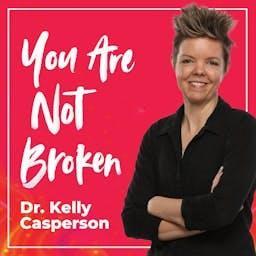
Today, I am thrilled to reconnect with Dr. Kelly Caspersen, a urologist who empowers women to live their best love lives. She is a two-time author, with her latest being The Menopause Moment.
In our conversation, we cover a wide range of topics, from navigating UTI purgatory and understanding the vaginal microbiome to how vaginal estrogen can dramatically reduce the risk of sepsis and death in the ICU. We unpack the evolving language of hormones- specifically progesterone, estrogen, and testosterone and we examine censorship and bias on social media, and the differences between prescribers and non-prescribers. We explore the effects of SSRIs on bone and brain health, changes in self-perception in middle age, and the effects of the baby boomer generation and the Women’s Health Initiative, exposing the medical gaslighting behind the use it or lose it narrative. We also offer practical options for women who cannot take hormones, and Dr. Kelly shares her go-to supplements and those she avoids.
This conversation is one of my recent favorites. Dr. Kelly’s enthusiasm is contagious, and her straightforward approach makes complex topics clear, practical, and unforgettable.
IN THIS EPISODE, YOU WILL LEARN:
Why recurrent UTIs can feel like UTI purgatory
How hormone terminology is evolving, and what that means for women in midlife
The value of vaginal estrogen, and the potential it holds for saving women’s lives
How the approaches of prescribers and non-prescribers differ
How SSRIs can raise the risk of bone fractures
The brain health and self-perception shifts that often occur in midlife
Why the use it or lose it belief is misleading, and how it veers into medical gaslighting
How the baby boomer generation and the Women’s Health Initiative still influence women’s healthcare today
Some alternative options for women who cannot take hormones
Dr. Kelly shares her preferred supplements and those she avoids
Bio:
Dr. Kelly Casperson, MD
Urologist • Author • Podcaster • Women's Health Thought Leader
Dr. Kelly Casperson is a board-certified urologist, best-selling author, and top-ranked international podcaster empowering women to take control of their health, hormones, and sexuality. Known for blending science with storytelling, she transforms complex medical topics into relatable and actionable insights that help women live fully and fearlessly—especially in midlife.
With her signature candor and evidence-based clarity, Dr. Casperson dismantles long-held myths around sex, menopause, and desire. Her acclaimed podcast, You Are Not Broken, has become a go-to resource for hundreds of thousands of women seeking real answers about their bodies and brains. Her groundbreaking work integrates urology, neuroscience, and mindset coaching to drive lasting change in intimacy, confidence, and overall well-being.
As a keynote speaker and educator, Dr. Casperson challenges outdated norms in medicine while offering bold, science-backed solutions. She’s on a mission to build a world where women are educated, empowered, and no longer afraid of their own bodies.
Whether she’s on stage, in a clinic, or behind the mic, Dr. Casperson is leading a health revolution—one smart, honest conversation at a time.
Connect with Cynthia Thurlow
Follow on X, Instagram & LinkedIn
Check out Cynthia’s website
Submit your questions to [email protected]
Connect with Dr. Kelly Casperson
On her website
On Instagram
You Are Not Broken (Podcast)
The Menopause Moment is available on Amazon and Barnes and Noble.
I am delighted to connect with Shanna Pearson today. She is the Founder and President of Expert ADHD Coaching, which is the most extensive ADHD coaching program of its kind in the world, providing one-on-one, action-based coaching for adults who are easily distracted and seeking personal, professional, and financial success. Shanna is also the author of Invisible ADHD.
In our discussion, we take a clear and practical look at what ADHD really is. We unpack the chemical changes that occur in the brain, highlighting the gender differences, and exploring why women have become the lost generation and why so many people get misdiagnosed. We also discuss common conditions that often accompany ADHD, the challenges of social conditioning, and share practical tools for addressing ADHD.
Whether you have ADHD or you struggle with overwhelm, this discussion offers helpful insights and strategies that are sure to make a real difference.
IN THIS EPISODE, YOU WILL LEARN:
What ADHD truly is
The brain biochemistry of those with ADHD
How ADHD differs in men and women
Why Shanna refers to women whose ADHD is undiagnosed until perimenopause or menopause as a lost generation
How ADHD in women often gets misdiagnosed
How hormonal changes during perimenopause and menopause impact ADHD symptoms
How societal expectations tend to exacerbate ADHD symptoms in women
Strategies for managing ADHD
Lifestyle factors that are essential for managing ADHD symptoms
How her book, Invisible ADHD, can help anyone struggling with ADHD or overwhelm
Connect with Cynthia Thurlow
Follow on X, Instagram & LinkedIn
Check out Cynthia’s website
Submit your questions to [email protected]
Connect with Shanna Pearson
I am thrilled to connect with my friend and colleague, Dr. Anthony Youn, today.
Dr. Youn is a nationally recognized board-certified plastic surgeon and the author of many best-selling books. He has a massive social media presence and hosts the widely acclaimed podcast The Holistic Plastic Surgery Show.
In our conversation today, we dive into Dr. Youn’s new book, Younger for Life, and he offers valuable insights on skin health and overall well-being. We explore the aging process and address oxidative-free radical damage, chronic inflammation, autophagy, and the impact of processed foods. We also explore helpful supplements for skin support, examine the concept of greenwashing, and discuss sunscreen, exfoliation, in-office treatments, breast implant illness, and the impact of lifestyle choices.
Stay tuned for more!
IN THIS EPISODE YOU WILL LEARN:
How to avoid aging too quickly through nutrition and lifestyle changes
How sugar and seed oils impact skin aging
The benefits of collagen supplements for healthier skin
Hormonal changes that affect the metabolism and skin health after menopause
The importance of screening the ingredients in skincare products
How chemical sunscreens differ from physical sunblocks
Using Retinol for anti-aging and skin health
Non-invasive fat reduction treatments and their potential risks
Dr. Youn discusses breast implant illness
What you need to look out for when using Botox
Connect with Cynthia Thurlow
Follow on X
Instagram
LinkedIn
Check out Cynthia’s website
Submit your questions to [email protected]
Connect with Dr. Anthony Youn
On his website
Youn Beauty
Instagram
YouTube
Today, I am delighted to connect with Dr. Heather Quaile. She is a double board-certified women's health nurse practitioner and advanced forensic nurse with specialty training in female sexual medicine. Her training focused on integrative gynecology.
Today, we dive into trauma-informed care, defining big and little T trauma, examining how adverse childhood events impact gynecologic care, and clarifying how chronic stress and trauma affect ovarian aging. We discuss the role of recalibration of the nervous and autonomic nervous systems during perimenopause and menopause, and explore the importance of estrogen in supporting serotonin, dopamine, and adrenal health in middle age. We cover GLP-1s, reframing packaging around vaginal estrogen, FDA approval for testosterone, the new terminology of PET, and holistic management of low libido, and we also tackle the genitourinary syndrome of menopause, new terminology, barriers, self-advocacy, and the significance of pelvic floor Health.
This conversation with Dr. Quaile is truly invaluable. She is a most helpful resource on everything related to integrative gynecology, sexual medicine, and self-advocacy.
IN THIS EPISODE, YOU WILL LEARN:
How big and little T trauma differ
What trauma-informed care is, and why it is particularly relevant for women in perimenopause and menopause
Symptoms and behaviors that indicate trauma in women
How the interrelationship between estradiol and serotonin affects our worldview, self-perception, sleep, and relationships
The benefits of addressing any hormonal imbalances before using GLP-1s for weight loss
The pros and cons of gaining FDA approval for testosterone and commercializing it
Factors that could cause decreased libido in middle-aged women
The genitourinary changes that occur in different life phases of women, or with cancer, or when going through gender reassignment
How PET (progesterone, estrogen, and testosterone) terminology is evolving to include women outside of perimenopause and menopause
The five questions Dr. Quaile has in her DSDS (decreased sexual desire screener) for clinicians, to get to the root cause of hypoactive sexual desire disorder in patients
The importance of women being comfortable about advocating for themselves
Connect with Cynthia Thurlow
Follow on X, Instagram & LinkedIn
Check out Cynthia’s website
Submit your questions to [email protected]
Connect with Dr. Heather Quaile
On her website
From the publisher's feed
Ranked by our users in the last 21 days
7,198 Listeners
1,063 Listeners
1,529 Listeners

249 Listeners
774 Listeners

4,866 Listeners

3,416 Listeners

9,153 Listeners
636 Listeners

335 Listeners
1,087 Listeners
622 Listeners
1,129 Listeners
1,341 Listeners

1,220 Listeners