
Sign up to save your podcasts
Or

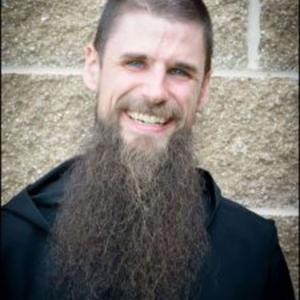


“Unless I see…” Thomas speaks for us. Joe Rockey and Father Boniface Hicks explore how to believe without seeing in a world that demands proof. We contrast signs and certainties, why God preserves our freedom to trust, and how personal histories shape our “tests” for belief. Practical takeaways: name your criteria honestly, notice the subtle ways God already speaks, and choose trust that leads to action. We hold the three lenses: integrity with ourselves, charity toward others, under a living relationship with God.
Key Ideas
Faith needs freedom: God gives reasons to believe but stops short of coercion; no proof or disproof removes our choice.
Signs vs. the Sign: visible wonders can help, but relationship with Christ requires trust that goes beyond optics.
Personal filters: temperament, wounds, and stakes change our verification bar—be honest about the tests you set.
Learn His voice: like Joseph or Samuel, once you recognize how God speaks to you, cooperation becomes fruitful and steady.
Reason serves faith: philosophy can point (Descartes, Hume, Gödel), but revelation invites a response only trust can make.
Links & References
Scripture named (no links):
Thomas and “Blessed are those who have not seen” (John 20:24–29).
Healing the paralytic to manifest authority to forgive sins (cf. Mark 2:1–12; Matthew 9:1–8; Luke 5:17–26).
The Lord speaking to Samuel (1 Samuel 3).
CTA
If this helped, please leave a review or share this episode with a friend.
Questions or thoughts? Email [email protected]
Tags
Father and Joe, Joe Rockey, Father Boniface Hicks, believing without seeing, St. Thomas, doubt and faith, signs and wonders, freedom and trust, criteria for belief, skepticism, Descartes, Hume, Gödel’s incompleteness, reason and revelation, conscience, hearing God’s voice, St. Joseph, Samuel, Eucharist and faith, healing of the paralytic, forgiveness of sins, relationship with God, relationship with self, relationship with others, Benedictine spirituality, Catholic podcast, practical spirituality
Serving at the altar raised a live question: “If Eucharistic miracles make belief easier, why don’t they happen more?” Joe Rockey and Father Boniface Hicks walk through what the Church means by miracle, why visible phenomena (flesh/blood) are actually less than the Eucharist itself (the whole living Christ), and how forgiveness and transformed virtue are real—though often unseen—miracles. We also clarify roles at Mass (Extraordinary Ministers of Holy Communion) and reflect on believing without seeing. Throughout, we keep the three lenses in view: honesty with self, charity with others, under a living relationship with God.
Key Ideas
Miracle ≠ rarity; miracle = beyond nature. The Eucharist is already a miracle: bread and wine become Jesus—Body, Blood, Soul, and Divinity.
“Less visible, greater reality”: a Eucharistic miracle (flesh/blood) is a sign; the Eucharist is the greater reality—Christ whole and living.
Science points, faith receives: studies of reported miracles often converge (heart tissue, left ventricle, trauma markers, AB+), but signs serve the Sacrament.
Unseen miracles: absolution, growth in virtue, and daily conversions are real works of grace you can’t photograph—but you can live.
Roles at Communion: clergy are ordinary ministers; laypeople assist as Extraordinary Ministers of Holy Communion when needed.
“Blessed are those who have not seen and yet believe”—ask for faith to recognize and receive the Giver more than the signs.
Links & References
“Scientifically Analyzed Eucharistic Miracles” (Truthly, 11-min video referenced by Father): https://www.youtube.com/watch?v=RHO8L9477aU
CTA
If this helped, please leave a review or share this episode with a friend.
Questions or thoughts? Email [email protected]
Tags
Father and Joe, Joe Rockey, Father Boniface Hicks, Eucharist, Eucharistic miracles, Real Presence, AB positive, heart tissue, left ventricle, signs and wonders, forgiveness of sins, confession, virtue, grace, believing without seeing, faith and reason, Extraordinary Minister of Holy Communion, clergy and laity, Mass roles, altar ministry, miracle definition, Lanciano (discussion), conversion, prayer, interior healing, relationship with God, relationship with self, relationship with others, Benedictine spirituality, Catholic podcast, practical spirituality
We say it every Mass: “Lord, I am not worthy… but only say the word and my soul shall be healed.” What are we asking—and what should we expect? Joe Rockey and Father Boniface Hicks unpack the centurion’s faith behind that line, how the Eucharist gives not just a word but the Word made flesh, and why Communion is an invitation already given—not a feeling we must wait for. We close with a simple New Year resolution: prepare better, receive more, and let grace heal what we cannot. Through the three lenses: honesty with self, charity toward others, under a living relationship with God.
Key Ideas
Links & References
CTA
If this helped, please leave a review or share this episode with a friend.
Questions or thoughts? Email [email protected]
Tags
Father and Joe, Joe Rockey, Father Boniface Hicks, Eucharist, Holy Communion, “Lord I am not worthy”, centurion’s faith, Matthew 8, Communion rite, Real Presence, grace, worthiness, humility, trust, authority of Jesus, liturgy, feelings vs faith, participation in Mass, preparation for Mass, resolution, healing, salvation, relationship with God, relationship with self, relationship with others, Benedictine spirituality, Catholic podcast, practical spirituality
A four-year-old’s question—“Why does Santa look different?”—opens a bigger one: why does Jesus look different in every painting, and how do we recognize Him today? Joe Rockey and Father Boniface Hicks explore how sacred art (especially icons) shows inner, spiritual reality more than photo-realism—and how Jesus is truly present in the Eucharist even when our eyes see only bread. As Christmas Masses fill with newcomers, we talk about hospitality, cooperation with grace, and moving from the visible to the invisible: from faces and symbols to the Person who loves us. Always through the three lenses: honesty with self, charity with others, under a living relationship with God.
Key Ideas
Different “looks,” same identity: saints (and St. Nicholas) are shown with signs of their vocation; Jesus is recognized by what’s essential—wounds, mercy, and divinity—not a fixed facial template.
Icons aim beyond photography: light “from within” depicts the glorified person; art can reveal deeper truth than surface detail.
Real Presence, hidden form: in the Eucharist our senses see bread; faith meets the living Christ—Body, Blood, Soul, and Divinity.
Childlike faith teaches adults: wonder and simple trust help us notice God’s voice in conscience and daily life.
Christmas hospitality: welcome irregular Mass-goers with warmth and witness; our charity can draw people back to the Church.
Links & References
National Shrine of Our Lady of Champion (approved Marian apparition to Adele Brise, Champion, WI): https://championshrine.org
CTA
If this helped, please leave a review or share this episode with a friend.
Questions or thoughts? Email [email protected]
Tags
Father and Joe, Joe Rockey, Father Boniface Hicks, Advent, Christmas, St. Nicholas, Santa Claus, icons, iconography, sacred art, Real Presence, Eucharist, conscience, childlike faith, visibility and invisibility, signs and symbols, wounds of Christ, hospitality, Christmas Mass, welcome culture, evangelization, parish life, Incarnation, contemplation, prayer, gratitude, relationships, relationship with God, relationship with self, relationship with others, Benedictine spirituality, Catholic podcast, practical spirituality
Is Advent just a mini-Lent? Not really. Joe Rockey and Father Boniface Hicks clarify Advent’s unique character: not penance before a Passion, but hopeful waiting for the Lord who comes. We explore patience vs. self-denial, why Advent trains desire more than endurance, and how the Church’s Dec 17–24 “O Antiphons” (source of O Come, O Come, Emmanuel) intensify longing as Christmas draws near. We end with a practical call: while we wait, build relationships and prepare room for Him—at home, parish, and work—through concrete acts of love. All through the three lenses: honesty with self, charity with others, under a living relationship with God.
Key Ideas
Links & References
CTA
If this helped, please leave a review or share this episode with a friend.
Questions or thoughts? Email [email protected]
Tags
Father and Joe, Joe Rockey, Father Boniface Hicks, Advent, not little Lent, waiting, hope, patience, desire for God, O Antiphons, O Come O Come Emmanuel, Dec 17–24, Liturgy of the Hours, Evening Prayer, Magnificat antiphons, preparation for Christmas, Incarnation, parish life, family life, reconciliation, acts of love, spiritual readiness, Holy Mass, relationship with God, relationship with self, relationship with others, Benedictine spirituality, Catholic podcast, practical spirituality
What do we mean when we say Jesus “takes away the sins of the world”? Joe Rockey and Father Boniface Hicks unpack how sin ruptures relationship—with God, others, creation, and even our own hearts—and how Christ repairs that rupture. We explore justice, mercy, and why divine love doesn’t erase consequences but enters them, heals us, and restores right worship and communion. We also contrast Adam’s fall with Christ’s redeeming love and consider our part: God saves us with our cooperation. Through it all we keep the three lenses clear—honesty with self, charity toward others, under a living relationship with God.
Key Ideas
Sin’s effects: rupture with God, one another, creation, and self; shame, blame, mistrust, and debt remain until healed.
How Christ “takes away” sin: self-sacrificing love enters our wounds, satisfies justice, restores communion, and divinizes us by union with Him.
Mercy doesn’t cancel consequences: relationships still need repair, trust-building, and inner healing—grace empowers the work.
Not a spectator sport: “created without us; redeemed with us”—our free cooperation (repentance, worship, acts of love) matters.
From Fall to fullness: covenant history rises and falls until Christ; in Him, grace sustains steady growth toward holiness.
Links & References
Scripture named (no links):
The Fall and its ruptures (Genesis 3).
“Behold, the Lamb of God, who takes away the sin of the world” (John 1:29).
Healings linked to faith (e.g., Mark 5:34; Luke 7:50; Luke 8:48).
Liturgy referenced (no link): Agnus Dei (“Lamb of God, you take away the sins of the world…”).
CTA
If this helped, please leave a review or share this episode with a friend.
Questions or thoughts? Email [email protected]
Tags
Father and Joe, Joe Rockey, Father Boniface Hicks, sin, redemption, salvation, justice and mercy, healing, holiness, rupture and repair, Genesis 3, John 1:29, Agnus Dei, sacrificial love, Eucharist, reconciliation, cooperation with grace, trust, covenant, Adam and Eve, divinization, sanctification, interior healing, relationships, responsibility, spiritual growth, relationship with God, relationship with self, relationship with others, Benedictine spirituality, Catholic podcast, practical spirituality
We want fixes fast. But grace grows like a living thing. Joe Rockey and Father Boniface Hicks connect holiness with healing and health, contrasting our “instant results” culture with the Church’s slow, steady path of love. They explore the Mass as a weekly encounter with transforming love, why Jesus ties miracles to faith, and how small, concrete acts—prayer, kindness, showing up—rebuild relationships and communities. Framed through the three lenses: honesty with ourselves, charity with others, under a living relationship with God.
Key Ideas
Holiness = healing = health: one continuum where God’s love fills wounds and restores us to love like Him.
Mass as encounter and formation: receive Love Himself, then live it in family, work, parish, and the margins.
Faith and consent: Jesus often says “your faith has healed you”—grace invites a free, trusting response.
Resist the “instant” reflex: spiritual growth is organic (like crops); show up, be attentive, persevere.
Love in action: begin with prayer, then take the next generous step—kindness, advocacy, building support networks.
“Where there is no love, put love”: small, steady offerings create gratitude, connection, and hope.
Links & References
Scripture mentioned (no links):
Healings attributed to faith (e.g., Mark 5:34; Luke 7:50; Luke 8:48).
The Eucharist as encounter with Christ (cf. John 6).
Saint cited (no link added): St. John of the Cross — “Where there is no love, put love, and you will draw out love.”
CTA
If this helped, please leave a review or share this episode with a friend.
Questions or thoughts? Email [email protected]
Tags
Father and Joe, Joe Rockey, Father Boniface Hicks, holiness, healing, health, salvation, Eucharist, Holy Mass, grace, faith, “your faith has healed you”, Advent, Christmas, Incarnation, patience, perseverance, attention, prayer, kindness, service, community, relationships, support networks, gratitude, hope, St. John of the Cross, spiritual growth, interior freedom, sanctification, virtue, mercy, love in action, relationship with God, relationship with self, relationship with others, Benedictine spirituality, Catholic podcast, practical spirituality
What does it really mean to be “ready” for Jesus—at Mass, at death, and at His coming? Joe Rockey and Father Boniface Hicks start from the Communion prayer (“Lord, I am not worthy…”) and move into a practical vision of readiness: honest need, real repentance, and daily love. They unpack why salvation, healing, and holiness belong on one spectrum; how the Eucharist prepares us for a lifelong relationship, not a quick visit; and why Christ’s command “love one another as I have loved you” sets the measure. Throughout, we hold the three lenses: integrity with ourselves, charity toward others, under a living relationship with God.
Key Ideas
Readiness begins with need: “Only say the word and my soul shall be healed”—we cannot self-prepare; we ask for grace and mean the words we pray.
Mass as formation for life and death: hearing the Word, offering ourselves, receiving Jesus—practice for meeting Him at the end and every day.
From guest to covenant: not a tidy “company’s coming” moment but a shared life with God—ongoing cleaning, cooking, and reconciling.
Salvation = healing = holiness: one continuum—love poured into our wounds makes us whole and able to love like Christ.
Command of love: not just the “golden rule,” but Christ’s measure—love others as He loves (costly, steadfast, in the mess).
Links & References
Scripture mentioned (no links):
“Lord, I am not worthy that you should enter under my roof…” (cf. Matthew 8:8).
Parable of the Ten Virgins/Bridesmaids—watchfulness and readiness (Matthew 25:1–13).
“Love one another as I have loved you” (John 13:34).
CTA
If this helped, please leave a review or share this episode with a friend.
Questions or thoughts? Email [email protected]
Tags
Father and Joe, Joe Rockey, Father Boniface Hicks, readiness, Advent, watchfulness, “Lord I am not worthy”, under my roof, Eucharist, Holy Mass, Communion prayer, preparation for death, Second Coming, parable of the ten virgins, Matthew 8:8, Matthew 25:1–13, John 13:34, love one another, salvation, healing, holiness, sanctification, repentance, confession, grace, practical atheism, interior freedom, covenant, daily discipleship, relationship with God, relationship with self, relationship with others, Benedictine spirituality, Catholic podcast, prayer, virtue, mercy, hope
“If the computer gets smarter than me… is that a problem?” Joe Rockey and Father Boniface Hicks tackle the fear narrative around AI by comparing it to other powerful tools (cars, planes) that required strong safeguards—not panic. They explore why AI lacks moral intuition, how optimization without ethics can harm, and why deepfakes and spoofing demand new habits of verification. The conversation lands in the three lenses: honesty about our fears (self), charity through wiser trust and presence (others), under a living relationship with God that anchors what’s real.
Key Ideas
Links & References
(none explicitly cited in this episode)
CTA
If this helped, please leave a review or share this episode with a friend.
Questions or thoughts? Email [email protected]
Tags
Father and Joe, Joe Rockey, Father Boniface Hicks, artificial intelligence, AI fear, safety and safeguards, aviation analogy, self-driving cars, edge cases, moral intuition, ethics, deepfakes, identity verification, phishing, deception, truth, discernment, prudence, attention, presence, relationships, parish life, Church, spiritual formation, responsibility, human dignity, technology as tool, relationship with God, relationship with self, relationship with others, Benedictine spirituality, Catholic podcast, practical spirituality
AI is powerful—but it’s not a person. In this episode, Joe Rockey and Father Boniface Hicks cut through hype and fear to frame AI as a tool in service of human creativity and relationship, not a replacement for them. We explore how parents and educators can guide kids wisely, why presence beats perfection, and how prudent governance and virtuous use turn technology into a channel for love. Throughout, we hold the three lenses: honesty with self, charity with others, under a living relationship with God.
Key Ideas
Personhood vs. tools: AI can assist; it cannot love, intend, or take responsibility—only persons do.
Formation first: families, schools, and parishes can coach attention, boundaries, and creative habits so tech serves growth.
Create, then edit: let AI help with drafts or analysis, but keep the human voice, judgment, and accountability.
Presence > polish: prefer relational availability over endless “optimization”; use tech to free time for people.
Prudence and trust: welcome governance and guardrails; cultivate virtue so our choices—online and offline—reflect the Gospel.
Links & References
Holy See, Dicastery for the Doctrine of the Faith & Dicastery for Culture and Education, Antiqua et nova. Note on the Relationship Between Artificial Intelligence and Human Intelligence (Jan 28, 2025) — official Vatican text: https://www.vatican.va/roman_curia/congregations/cfaith/documents/rc_ddf_doc_20250128_antiqua-et-nova_en.html
CTA
If this helped, please leave a review or share this episode with a friend.
Questions or thoughts? Email [email protected]
Tags
Father and Joe, Joe Rockey, Father Boniface Hicks, artificial intelligence, Antiqua et nova, Vatican AI note, human dignity, personhood, creativity, editing workflows, parenting, education, formation, attention, boundaries, prudence, governance, virtue, moral responsibility, presence over perfection, relationships, technology as tool, discernment, accountability, spiritual growth, relationship with God, relationship with self, relationship with others, Benedictine spirituality, practical spirituality, Catholic podcast, work and family life, ethics, builders of AI, trust and safety
From the publisher's feed

4,980 Listeners

6,229 Listeners

5,713 Listeners

6,756 Listeners

7,666 Listeners

2,162 Listeners

1,358 Listeners

23 Listeners

2,648 Listeners

1,274 Listeners
951 Listeners
2,915 Listeners

1,216 Listeners

438 Listeners

11,380 Listeners