
Sign up to save your podcasts
Or

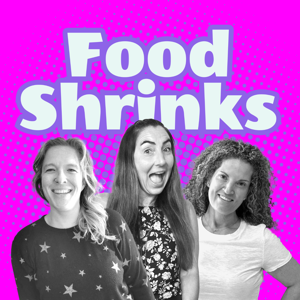


We end as we lived: real, funny, and unfiltered. In our finale, we model how to end something good in a healthy way. We talk about capacity, courage, and why saying "yes" to the next season sometimes means lovingly saying "no" to the current one. We reflect on what this show grew in each of us, share what's next (retreats, Liberation Modules, new podcasts, and programs), and leave you with resources to keep going. We're not disappearing; we're just changing the container.
Big Ideas & Takeaways Healthy endings are a skill. Quitting isn't failure; it's a values-based boundary. Endings deserve clarity, care, and gratitude. Capacity is real. Every "yes" is also a "no." You can do many things, just not all of them well at once. Truth beats polish. Dropping the expert mask and telling the messy truth deepened our practice and connection. Recovery lives in seasons. A single year can hold relapse, repair, loss, joy, and growth. Self-compassion keeps us in the game. Community regulates. Being seen and accompanied is nervous-system medicine. Don't white-knuckle alone. Follow the energy. Passion projects can be bridges to the next right thing. Notice what lights up your body, and go there. Leave with a bow. End before resentment. Miss it a little. That's how you know you honored it.
Notable Quotes "You can do it all… you just can't do it all well." "This isn't a breakup; it's a season shift." "Truth over PowerPoint." "We're ending it while we love it." "Take off the expert mask; keep the human."
What's Next & Where to Find Us Clarissa & Molly P. — Sweet Sobriety https://www.sweetsobriety.ca
IG: @sweet_sobriety Facebook Group: Sweet Sobriety Disordered Eating & Food Addiction Support Community You'll still hear us on the Food Junkies Podcast, including Clinician's Corner (monthly with Clarissa & Molly P.).
Molly Carmel The Daily Ascent: weekday micro-episodes on mindset/spiritual practice (on all platforms + YouTube). Stop Starting Over System: 12-week open-enrollment program, opening Dec 8. IG: @mollycarmel • Site: MollyCarmel.com Resources Mentioned Food Junkies Holiday Series (podcasts + 3 hours of YouTube bonus Q&A) Thanksgiving/Christmas/New Year triggers https://www.youtube.com/watch?v=fe2h7Cn9kzo&t=1s
This week, the Food Shrinks are just plain tired—and they're talking about it. Not the kind of tired that a nap or a sleep hygiene checklist can fix, but the deeper exhaustion that comes from constantly giving, performing, and being "on."
Together, Molly, Clarissa, and Molly explore: • The tug-of-war between push harder and please rest • Why rest can feel unsafe or "lazy" to a dysregulated nervous system • How hormones, overwork, and emotional load contribute to burnout • The link between fatigue, food patterns, and self-worth • Learning to rest without guilt—and without fearing you'll never get back up again • Finding micro-moments of rest and joy that don't derail recovery They share real stories about boundaries, people-pleasing, and those days when your body just says, "It's over, girl." This episode is a gentle permission slip to stop, breathe, and let rest be restorative rather than shame-inducing. ________________________________________ What You'll Hear: 🧠 How nervous system states (sympathetic vs. parasympathetic) affect fatigue 🌧️ The hidden costs of overdoing, overgiving, and emotional labor 💤 Why "doing nothing" can feel threatening—and how to reframe it 🥗 How exhaustion can influence food use, cravings, and control 💛 Micro-rest, intentional recovery, and letting go of guilt ________________________________________ Takeaways: • Rest isn't laziness—it's nervous system repair. • Doing the thing tired can sometimes help you thaw from freeze. • Emotional fatigue needs compassion, not productivity hacks. • Permission to rest is permission to recover. ________________________________________ 🎧 Listen, share, and join the conversation. If this episode resonated, email your questions or topic requests to [email protected] and hit subscribe to support the show and this growing recovery community.
The content of our show is educational only. It does not supplement or supersede your healthcare provider's professional relationship and direction. Always seek the advice of your physician or other qualified mental health providers with any questions you may have regarding a medical condition, substance use disorder, or mental health concern.
Today, we answer a listener who writes: "I'm grieving the foods I don't eat anymore—social stuff and celebrations are hard." The Food Shrinks open that door wider: grief in recovery isn't just about food—it's also the lost years, missed moments, and identities we're shedding. With humor and honesty, they explore how to honor grief without letting it become the story that drags you back.
What We Talk About • Food grief vs. life grief: missing certain foods and mourning lost time, health, self-trust, and presence • "Not enough / too much" feelings and how dysregulation, ADHD/RSD, and early messages amplify them • Belonging cues & tradition: why cravings spike at holidays, patios, and summer rituals • From shame to compassion: grief as a normal (and healthy) part of change • Living amends: shifting focus to the life you're building now • Feelings ≠ stories: noticing a longing without turning it into a relapse script • Biopsychosocial-spiritual lens: why this isn't a 21-day habit swap
Key Takeaways • Grief is allowed. Unacknowledged grief is riskier than naming it. • Struggling ≠ failing. You're learning a new way to live. • Let feelings pass. Don't let a moment of longing become a narrative. • Rituals matter. Re-create connection and celebration without the substance. • Progress over perfection. If you slip, the world doesn't end—stand back up kindly.
Quotes to Remember • "Don't let a feeling become a story." • "Just because you're struggling doesn't mean you're failing." • "Unacknowledged grief keeps us stuck; acknowledged grief moves with us."
Keep in Touch 💌 Questions or topic ideas? [email protected] If this episode helped, please subscribe and leave a quick review—it helps others find recovery and hope.
The content of our show is educational only. It does not supplement or supersede your healthcare provider's professional relationship and direction. Always seek the advice of your physician or other qualified mental health providers with any questions you may have regarding a medical condition, substance use disorder, or mental health concern.
In this deeply relatable episode, the Food Shrinks— tackle one of recovery's most persistent companions: the belief that we are not enough… or sometimes too much. From early childhood conditioning to nervous system dysregulation, the trio explores how these painful stories take root, how they drive people-pleasing and perfectionism, and why they so often lead us to use food for comfort or control.
With honesty and compassion, they unpack their own journeys through shame, codependency, and recovery — offering tools to recognize when the "not enough" voice shows up, how to regulate through it, and how to begin standing in the truth of our inherent worth.
What We Talk About • The "not enough / too much" paradox — and how both can exist at once • Why dysregulation and shame keep these stories alive • The role of ADHD, rejection sensitivity, and trauma in feeling unworthy • Early family messages that shaped how we seek validation • The long game of recovery: time, patience, and radical self-focus • How to practice compassion and curiosity instead of judgment
Key Takeaways • Feeling not enough or too much isn't a personal flaw — it's often a trauma echo. • Awareness is the first step: notice when and where the story appears. • Shame is not fact; it's a state — and it softens through compassion. • You are not alone. Every person in recovery wrestles with these feelings. • Standing in your truth means choosing yourself again and again — with time, patience, and love.
If today's conversation resonated with you, we'd love to hear from you. 💌 Email your questions to [email protected].
And if you found this episode supportive, please hit subscribe and leave a quick review — it helps others find their way to recovery and hope.
The content of our show is educational only. It does not supplement or supersede your healthcare provider's professional relationship and direction. Always seek the advice of your physician or other qualified mental health providers with any questions you may have regarding a medical condition, substance use disorder, or mental health concern.
The crew normalizes why sugar becomes the go-to "tool" for anxiety, boredom, and stress—and offers harm-reduction pathways that build capacity without shame. You'll hear personal recovery pivots (like treating your recovery as seriously as your addiction), crowd-out strategies, micro-delays for cravings, and how to use community even if you don't feel like it. This is practical hope: tiny, doable steps that add up.
What We Cover • You're not hopeless—you're human: Brains repeat what works for relief. That's learning, not moral failure. • Add before you subtract: "Crowd out" by adding protein, fiber, and structure before trying to remove sugar. • Environment tweaks (not ultimatums): Out of sight storage, partner hides, garage stashes, plating treats at the table vs. eating from the bag. • Micro-delays for cravings: 10–20–60 seconds → a few minutes → an hour. Build the "wait" muscle. • Choose your hard, but choose support: We rarely recover alone; groups, meetings, lives, or any community can be anchors. • Treat recovery like it's as big as the addiction: Boundaries around meal times, bedtime eating, social plans, and high-risk settings. • Compassionate curiosity: If you do eat it, slow down, plate it, and notice what it's solving—then find other ways to meet that need. Practical Try-This List • Protein + Produce First: Keep easy protein (rotisserie chicken, eggs, edamame) and a "default veg" ready three ways this week. • Plate & Pause: If you're having the thing, put it on a plate, sit at the table, and take 3 slow breaths first. • 10-Second Ladder: Delay 10s → 30s → 2m. Text a friend while you wait. • Out-of-Sight Ops: Ask a partner/roomie to store trigger foods out of view (garage, trunk, top shelf bin). • One Boundary This Week: Pick a single non-negotiable (e.g., "no eating after 7pm" or "no eating in the car"). • One Connection Anchor: Pick one community touchpoint (a meeting, live, or accountability check-in) and show up.
Host Insights • Molly C.: "My recovery only started working when I treated it like the serious condition it was—my recovery had to be as big as my addiction." • Clarissa: "I didn't have the skills yet, so I built a 'home treatment' season—invited people over when I didn't want to, because it kept me safe." • Molly P.: "Years of tool-building mattered. Curiosity over shame lets you add supports first and make removal feel possible later."
Key Takeaways 1. Hope is a skill you practice, not a feeling you wait for. 2. Add supportive structure before subtracting the substance. 3. Micro-wins compound. Ten seconds today can become an hour next month. 4. Community is medicine. You don't have to like it to benefit from it.
Share your question or topic
Email: [email protected]
If this episode helped, please follow, rate, and review—it helps others find the show and keeps these conversations going. 💜
The content of our show is educational only. It does not supplement or supersede your healthcare provider's professional relationship and direction. Always seek the advice of your physician or other qualified mental health providers with any questions you may have regarding a medical condition, substance use disorder, or mental health concern.
In this episode of Food Shrinks, Molly Carmel, Clarissa Kennedy, and Molly Painschab sit down to unpack what it really takes to live—and thrive—in recovery while on the move. From European conferences to beach vacations, cross-country trips, and jam-packed social calendars, the Shrinks share how they balance life on the road with staying grounded in their recovery.
What We Talk About • Recovery on the road: Why prioritizing recovery has to come first when routines and environments shift. • Yellow light behaviors: How subtle slips (like bites, licks, and tastes) can creep in while traveling—and what to do about it. • Food flexibility: The challenges of different food cultures, time zones, and access, and how to adapt without abandoning your plan. • Practical tools: From stocking Airbnbs with groceries, packing Tupperware, and bringing along a fan for sleep, to scheduling meetings and workouts strategically. • Emotional honesty: Jet lag, depression, comparison, and the courage it takes to honor vulnerability instead of pushing through. • Takeaways: Why self-care, boundaries, and compassion matter as much as meal planning and meetings.
Key Insights • Recovery is the priority—if it slips, everything else does too. • Flexibility grows with time: What feels unsafe in early recovery may become manageable years later. • Comparison kills: Everyone's recovery looks different—what matters is meeting your own needs, not matching someone else's. • Future-you needs present-you's support: From meal prep to scheduling downtime, small acts of foresight pay off big.
Travel can be a gift of recovery—but only if you protect it. Tune in for candid stories, practical hacks, and heartfelt reflections on making recovery work wherever life takes you.
👉 Got a question or topic idea for the Shrinks? Email us at [email protected]
If you enjoyed today's episode, please subscribe, leave a rating, and drop a review—it helps others find the show and supports our growing community.
The content of our show is educational only. It does not supplement or supersede your healthcare provider's professional relationship and direction. Always seek the advice of your physician or other qualified mental health providers with any questions you may have regarding a medical condition, substance use disorder, or mental health concern. Transcript
In this candid Food Shrinks conversation, Molly Carmel, Clarissa Kennedy, and Molly Painschab explore why being in community—whether recovery groups, professional networks, or even family—can sometimes feel activating instead of supportive. From comparing recoveries to feeling others' pain too deeply, the shrinks share personal stories and professional insights on how envy, shame, and frustration show up in groups.
They talk about: • Why community can trigger old wounds and trauma responses • How to hold onto your energy without shutting down • Seeing comparison and envy as growth opportunities • The importance of role modeling and contributing instead of withdrawing • Building tolerance for discomfort as part of recovery With humor, honesty, and a lot of real talk, this episode reminds us that community is often where the hardest work—and the deepest healing—happens.
Key Takeaways • Keep the focus on yourself. Triggers often point to what still needs healing within. • Envy can guide growth. It shows us what we want and where we're being called to expand. • Your energy matters. What you bring to community is just as important as what you take from it. • Discomfort is not danger. Learning to stay present with uncomfortable feelings is part of recovery.
Call to Action Have a question, concern, or topic you want us to dive into? Email us at [email protected].
If you enjoyed today's show, help us grow by subscribing, leaving a rating, and sharing this episode with a friend.
The content of our show is educational only. It does not supplement or supersede your healthcare provider's professional relationship and direction. Always seek the advice of your physician or other qualified mental health providers with any questions you may have regarding a medical condition, substance use disorder, or mental health concern.
In this episode of Food Shrinks, Molly Carmel, Clarissa Kennedy, and Molly Painschab unpack the obsession with "Day One" in recovery. Why do so many of us cling to Mondays, fresh starts, and counting days—only to feel devastated when we "slip"? The shrinks share their personal stories, professional perspectives, and hard-won insights on why chasing Day One can become its own addictive cycle.
They explore: • Why we get stuck in "starting over" mode • The hidden comfort (and dopamine hit) of planning a restart • How perfectionism and diet culture feed the Day One trap • Finding motivation beyond counting days • Shifting from dogma to data: measuring recovery in more meaningful ways
Through humor, honesty, and real talk, this conversation reframes relapse, accountability, and motivation in a way that frees you from shame and helps you keep moving forward.
Key Takeaways • Counting days isn't the only measure of recovery. Progress can also be found in mood, clarity, relationships, and consistency. • Day One can become addictive. Starting over offers a false sense of safety and dopamine, but it doesn't build lasting self-esteem. • Recovery is messy. Perfection isn't the goal—showing up and continuing forward is. • Dogma vs. data. Instead of rigid rules, ask: What's working for me? What does my lived experience show?
Call to Action Do you have a question you'd like the Shrinks to tackle? Email us at [email protected].
If you loved today's episode, help us grow: subscribe, leave a review, and share this conversation with a friend.
The content of our show is educational only. It does not supplement or supersede your healthcare provider's professional relationship and direction. Always seek the advice of your physician or other qualified mental health providers with any questions you may have regarding a medical condition, substance use disorder, or mental health concern.
In this episode of Food Shrinks, Molly Carmel, Clarissa Kennedy, and Molly Painschab tackle two heartfelt listener emails about food, weight, and grandchildren. The questions: How do I navigate my fear that my grandkids will inherit my struggles with food addiction? And how do I talk to my grandkids about food without shaming or harming them?
💬 Topics we cover: • Why "hands off the body" is one of the most powerful family rules • The difference between offering food with love versus testing or shaming kids • How weight stigma—not weight itself—can harm children's confidence and eating patterns • Bliss point, ultra-processed foods, and what early exposure really means • Why codependency, fear, and our own unresolved wounds often shape how we parent and grandparent • Practical tools: keeping the focus on yourself, checking your nervous system, and modeling healthy boundaries
✨ Takeaways: • Love is complicated, and fear often shows up as overprotection or control. • Children need to be loved and accepted—not monitored or managed around every bite. • Your relationship with your own body and food is the most powerful influence you bring to the table. • Noticing when your concern is really about your own history can help you heal and protect the next generation. If you've ever worried about your children or grandchildren's relationship with food—or struggled to know when to step in and when to let go—this episode offers compassionate, honest insight from three therapists who have been there.
📩 Got a question for us? Email [email protected].
⭐ Love the show? Subscribe, leave us a five-star rating, and share this episode with a friend who cares about breaking cycles in their family.
The content of our show is educational only. It does not supplement or supersede your healthcare provider's professional relationship and direction. Always seek the advice of your physician or other qualified mental health providers with any questions you may have regarding a medical condition, substance use disorder, or mental health concern.
In this episode of Food Shrinks, Molly Carmel, Clarissa Kennedy, and Molly Painschab open up about the everyday struggles of saying no, setting boundaries, and navigating the fawn response. With humor, honesty, and lived experience, the trio explores how people-pleasing, guilt, and self-abandonment show up in both personal and professional spaces—and how these patterns often connect to food, stress, and recovery.
💬 Topics we cover: • Why setting boundaries feels so uncomfortable (and why "no" rarely feels like enough) • The fawn response and how it fuels overwhelm, resentment, and food use • Codependency, trauma responses, and the Karpman drama triangle (rescuer, persecutor, victim) • The link between guilt, self-abandonment, and eating as regulation • Real stories of how boundaries get tested between friends, family, and colleagues • Why practicing boundaries is messy but essential for recovery and well-being
✨ Takeaways: • Boundaries are a daily practice, not a one-time skill. • Guilt doesn't mean you're doing something wrong—it often means you're breaking old patterns of self-abandonment. • Observing your reactions and slowing down can create space for wise mind choices. • Progress matters more than perfection—each "no" is a step toward self-respect and self-care. If you've ever found yourself saying yes when you meant no, or using food to soothe the stress of people-pleasing, this conversation is for you.
📩 Got a question you'd like us to answer on the podcast? Email us at [email protected].
⭐ Love the show? Subscribe, give us a five-star rating, and share this episode with a friend who needs it!
The content of our show is educational only. It does not supplement or supersede your healthcare provider's professional relationship and direction. Always seek the advice of your physician or other qualified mental health providers with any questions you may have regarding a medical condition, substance use disorder, or mental health concern.
From the publisher's feed
1,407 Listeners
2,607 Listeners
702 Listeners

8,428 Listeners

774 Listeners
2,545 Listeners
842 Listeners

29,190 Listeners
165 Listeners
141 Listeners
86 Listeners
583 Listeners

182 Listeners
15 Listeners

1,208 Listeners