
Sign up to save your podcasts
Or

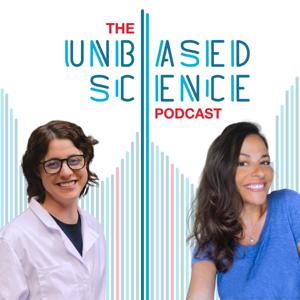

On this week's episode of the pod, we continue our discussion of genetically modified organisms (GMOs). We debunk common misconceptions and myths about GMOs, particularly with regard to the food industry. We spend some time discussing the labeling of foods as "non-GMO" and the different genetic modification techniques included under this umbrella term. We address the common misconception (that we "heard from the herd") that GMOs can change one's DNA, cause cancer and infertility, and also present some GMO innovations that can actually increase the health benefits of foods. Perhaps the biggest myth that we debunk is that GMOs are not adequately tested. We spend some time talking about extensive GMO testing and regulation to put that myth to rest! Yes, we discuss the business-side of GMOs with a discussion of Monsanto (now Bayer) and the misconception that GMOs are bad for the environment. On a future episode, we will talk about why comparing organics to GMOs is like comparing apples to oranges since one refers to a cultivation method (organics) and one refers to a breeding method (GMO).
PLEASE NOTE: The discussion and information provided in this podcast are for general educational, scientific, and informational purposes only and are not intended as, and should not be treated as, medical or other professional advice for any particular individual or individuals. Every person and medical issue is different, and diagnosis and treatment requires consideration of specific facts often unique to the individual. As such, the information contained in this podcast should not be used as a substitute for consultation with and/or treatment by a doctor or other medical professional. If you are experiencing any medical issue or have any medical concern, you should consult with a doctor or other medical professional.
Further, due to the inherent limitations of a podcast such as this as well as ongoing scientific developments, we do not guarantee the completeness or accuracy of the information or analysis provided in this podcast, although, of course we always endeavor to provide comprehensive information and analysis. In no event may Unbiased Science or any of the participants in this podcast be held liable to the listener or anyone else for any decision allegedly made or action allegedly taken or not taken allegedly in reliance on the discussion or information in this podcast or for any damages allegedly resulting from such reliance.
Hosted by Simplecast, an AdsWizz company. See pcm.adswizz.com for information about our collection and use of personal data for advertising.
 View all episodes
 By @unbiasedscipod

4.4
619619 ratings
On this week's episode of the pod, we continue our discussion of genetically modified organisms (GMOs). We debunk common misconceptions and myths about GMOs, particularly with regard to the food industry. We spend some time discussing the labeling of foods as "non-GMO" and the different genetic modification techniques included under this umbrella term. We address the common misconception (that we "heard from the herd") that GMOs can change one's DNA, cause cancer and infertility, and also present some GMO innovations that can actually increase the health benefits of foods. Perhaps the biggest myth that we debunk is that GMOs are not adequately tested. We spend some time talking about extensive GMO testing and regulation to put that myth to rest! Yes, we discuss the business-side of GMOs with a discussion of Monsanto (now Bayer) and the misconception that GMOs are bad for the environment. On a future episode, we will talk about why comparing organics to GMOs is like comparing apples to oranges since one refers to a cultivation method (organics) and one refers to a breeding method (GMO).
PLEASE NOTE: The discussion and information provided in this podcast are for general educational, scientific, and informational purposes only and are not intended as, and should not be treated as, medical or other professional advice for any particular individual or individuals. Every person and medical issue is different, and diagnosis and treatment requires consideration of specific facts often unique to the individual. As such, the information contained in this podcast should not be used as a substitute for consultation with and/or treatment by a doctor or other medical professional. If you are experiencing any medical issue or have any medical concern, you should consult with a doctor or other medical professional.
Further, due to the inherent limitations of a podcast such as this as well as ongoing scientific developments, we do not guarantee the completeness or accuracy of the information or analysis provided in this podcast, although, of course we always endeavor to provide comprehensive information and analysis. In no event may Unbiased Science or any of the participants in this podcast be held liable to the listener or anyone else for any decision allegedly made or action allegedly taken or not taken allegedly in reliance on the discussion or information in this podcast or for any damages allegedly resulting from such reliance.
Hosted by Simplecast, an AdsWizz company. See pcm.adswizz.com for information about our collection and use of personal data for advertising.

6,174 Listeners
964 Listeners
12,237 Listeners

111,948 Listeners

56,508 Listeners

1,939 Listeners

6,381 Listeners
50,687 Listeners

2,068 Listeners
16,913 Listeners

419 Listeners
425 Listeners
1,360 Listeners

6,206 Listeners

116 Listeners