
Sign up to save your podcasts
Or

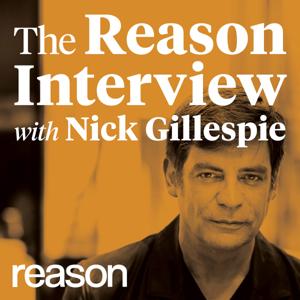

Today's guest is Nobel Prize-winning economist Alvin E. Roth, the author of Moral Economics: From Prostitution to Organ Sales, What Controversial Transactions Reveal About How Markets Work.
He talks with Nick Gillespie about why some voluntary transactions provoke moral outrage even when no one is being directly harmed. Roth explains why black markets often emerge when governments try to ban activities with persistent demand, why both markets and prohibitions require social support to function, and how unintended consequences can make moralistic policies backfire. They discuss the war on drugs, prostitution, surrogacy, same-sex marriage, price gouging, and why Iran remains the only country in the world with a legal market for kidney donors.
They also explore Roth's work designing kidney exchange networks and school choice systems, how digital technology and private transactions make certain bans harder to enforce, and why harm reduction may work better than prohibition in areas ranging from drug policy to sex work.
0:00—Repugnant transactions and organ sales
9:30—Blood plasma, coercion, and class bias
16:46—School choice reform
22:59—Same-sex marriage, abortion, and contraception
29:59—The war on drugs and moral economics
38:55—Roth's theoretical origin story
43:45—Uber, AI, and technological efficiencies
51:26—Price gouging and consumer resentment
54:27—Pornography, prostitution, and privacy
1:05:21—Has America become more economically moral?
1:12:15—Biden's economic agenda and Trump's tariffs
1:17:04—Winning a Nobel Prize
Producer: Paul Alexander
Audio Mixer: Ian Keyser
The post How Moral Panic Creates Black Markets appeared first on Reason.com.
 View all episodes
 By The Reason Interview With Nick Gillespie

4.7
722722 ratings
Today's guest is Nobel Prize-winning economist Alvin E. Roth, the author of Moral Economics: From Prostitution to Organ Sales, What Controversial Transactions Reveal About How Markets Work.
He talks with Nick Gillespie about why some voluntary transactions provoke moral outrage even when no one is being directly harmed. Roth explains why black markets often emerge when governments try to ban activities with persistent demand, why both markets and prohibitions require social support to function, and how unintended consequences can make moralistic policies backfire. They discuss the war on drugs, prostitution, surrogacy, same-sex marriage, price gouging, and why Iran remains the only country in the world with a legal market for kidney donors.
They also explore Roth's work designing kidney exchange networks and school choice systems, how digital technology and private transactions make certain bans harder to enforce, and why harm reduction may work better than prohibition in areas ranging from drug policy to sex work.
0:00—Repugnant transactions and organ sales
9:30—Blood plasma, coercion, and class bias
16:46—School choice reform
22:59—Same-sex marriage, abortion, and contraception
29:59—The war on drugs and moral economics
38:55—Roth's theoretical origin story
43:45—Uber, AI, and technological efficiencies
51:26—Price gouging and consumer resentment
54:27—Pornography, prostitution, and privacy
1:05:21—Has America become more economically moral?
1:12:15—Biden's economic agenda and Trump's tariffs
1:17:04—Winning a Nobel Prize
Producer: Paul Alexander
Audio Mixer: Ian Keyser
The post How Moral Panic Creates Black Markets appeared first on Reason.com.

969 Listeners
2,271 Listeners
1,509 Listeners
2,886 Listeners
6,611 Listeners
980 Listeners

789 Listeners

372 Listeners

194 Listeners
622 Listeners

3,820 Listeners

803 Listeners

8,439 Listeners
59 Listeners
132 Listeners
115 Listeners
17 Listeners

1,087 Listeners
202 Listeners