
Sign up to save your podcasts
Or

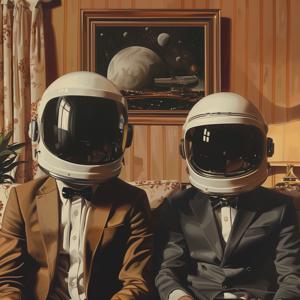


From classic literary retellings like Dune and Blade Runner to thrilling cinematic masterpieces, we explore how these beloved stories transitioned from page to screen.
Full survey results, including all the movies (and the wishlist of the best books that deserve to be on the screen)
No spoilers at all in this episode.
Sponsor of the episode: Juris Ex Machina by John W. Maly, narrated by Marc Thompson. Audiobook releases October 22, 2026. Hear a sample here.
Movies/Shows/Books in this video:
If you want to jump around, here are the timestamps for the episode:
No spoilers at all in this episode.
BOOKS FEATURED IN THIS EPISODE:
Thanks to our sponsor, Sci-Fi Shorts! The stories that built science fiction's golden age were short, complete worlds in a single sitting. Sci-Fi Shorts brings that tradition back: brand-new science fiction and fantasy flash fiction, every story a thousand words or fewer, paired with original artwork in classic pulp-magazine style: painted covers, raygun rockets, swords and sorcery. It's made for readers with more curiosity than time: a complete story over your morning coffee. Head to https://scifishorts.co/hugonauts and use code HUGONAUTS50 for fifty percent off any subscription.
If you want to jump around, here are the timestamps for the episode:
Widely considered a must-read classic, this novel uses a brilliant first-person journal format to explore the emotional and intellectual journey of Charlie Gordon as a futuristic operation slowly transforms him from intellectually disabled into a genius. We discuss the masterful writing style, the profound themes of consciousness and empathy, and why this story still resonates so deeply today.
Reading Flowers for Algernon for English class or preparing for a book report? First of all, your teacher is dope, this one rocks. Second of all, we got you, we break down Daniel Keyes' classic novel to help you understand the storyline, major themes, and key takeaways.
As always, no spoilers until the end when we give a heads up before getting into the full plot discussion.
TAKE THE LISTENER SURVEY TO LET US KNOW ABOUT YOUR FAVORITE SCI-FI MOVIES AND SHOWS
Similar books we recommend:
This episode is sponsored by Gods and God Particles by Raghavan Jayakumar
If you want to jump around, here are the timestamps for the episode:
We rank all the Hugo nominees, plus tell you about seven more amazing books that deserve to be in contention for the best speculative fiction novels of the year.
No spoilers at all in this episode.
If you want to jump around, here are the timestamps for the episode:
Originally published as a series of novellas in Asimov’s Science Fiction before winning the 2006 Locus Award for best novel, Accelerando traces three generations of the Macx family (and one notoriously manipulative AI cat named Aineko) across a high-speed, century-long journey through future history and the looming technological singularity.
We unpack the overwhelming density of Stross’s worldbuilding—from cyberpunk edge, BDSM, and KGB-uplifted digital lobsters, to Capitalism 2.0 driven by profit-seeking AI corporations, automated corporate law and self-propagating lawsuits, and personalized advertising that feels eerily prescient today. Discover how Stross redefines the technological singularity through system-wide computing power measured in MIPS, explores consciousness as a predator-prey evolutionary dynamic, and takes us to the edge of the solar system where Matrioshka brains, alien communiqués from brown dwarfs, and beam-riding simulated minds completely rewrite the rules of interstellar travel and resource allocation.
Whether you're curious about the Vile Offspring, nested self-referential autonomous corporations, or Jupiter-orbiting electrodynamic tether generators, this episode breaks down why Accelerando is an essential—and utterly chaotic—masterclass in expert speculative fiction. Stick around to the end of the episode for our spoiler-heavy post-show discussion, plus our top similar book recommendations, including William Gibson's Neuromancer, Greg Egan's Diaspora, and Kim Stanley Robinson's Aurora! And make sure to like and subscribe so you don’t miss our next episode, where we’ll be ranking this year's Hugo award nominees and all the best Sci-Fi and Fantasy books of last year!
You can read Accelerando free online on Charles Stross' website!
As always, no spoilers until the end when we give a heads up before getting into the full plot discussion.
Similar books we recommend:
This episode is sponsored by The Day The Moon Disappeared by Michael Ross
If you want to jump around, here are the timestamps for the episode:
We cover the legendary classics like Robert A. Heinlein’s Starship Troopers, Joe Haldeman’s The Forever War, and Orson Scott Card's Ender’s Game, while exploring modern masterpieces like John Scalzi’s Old Man’s War, Ann Leckie’s Ancillary Justice, and the later books of The Expanse series. Whether you are a fan of high-stakes space battles or deep philosophical military themes, this ultimate sci-fi reading list has something for you.
We also raid the deeper cuts of the genre, discussing everything from John Steakley’s Armor, L.E. Modesitt Jr.’s The Parafaith War, and Hiroshi Sakurazaka's All You Need Is Kill, to the cult hit Honor Harrington series by David Weber, Joshua Dalzelle's Black Fleet Trilogy, Craig Alanson’s Expeditionary Force, Iain M. Banks' Culture series, and Lois McMaster Bujold’s beloved Vorkosigan Saga.
Plus, stick around until the very end of the episode for a massive surprise guest! We had the absolute honor of sitting down with a literal titan of the military science fiction world.
Don't forget to subscribe so you don't miss our upcoming episode on Accelerando by Charles Stross.
No spoilers anywhere in this episode.
This episode is sponsored by Thanks For Meeting Me Here by Jill Bronfman
All the books we recommend, plus timestamps:
We are breaking down the entire short-list and ranking, review, and digging into the 2026 Nebula Novel nominees from worst to best. We dive deep into the writing styles, the structure, the highs, the frustratingly bad endings, and reveal exactly who took home the final trophy. Are these books actually masterclasses in modern sci-fi and fantasy, or did the hype train leave the tracks?
Here is our definitive 2026 Nebula breakdown:
7. Death of the Author by Nnedi Okorafor
6. Wearing the Lion by John Wiswell
5. Katabasis by R. F. Kuang
4. When We Were Real by Daryl Gregory
3. Sour Cherry by Natalia Theodoridou
1. (TIED) The Incandescent by Emily Tesh
1. (TIED & WINNER) The Buffalo Hunter Hunter by Stephen Graham Jones
No spoilers anywhere in this episode.
All the books, plus timestamps:
In this episode of the Hugonauts we’re breaking down what truly defines great Young Adult fiction and answering the ultimate question: do these books actually hold up when you read them for the first time as an adult? We look at the core guidelines of YA literature—from exploring the human condition through a young protagonist's eyes to (ideally) teaching profound stuff that resonates beyond teenhood.
We count down the absolute best YA sci-fi books and YA fantasy recommendations. We dive into legendary dystopian hits like The Hunger Games by Suzanne Collins and Ready Player One by Ernest Cline, masterclass sci-fi like Ender's Game by Orson Scott Card and Red Rising by Pierce Brown, and classic fantasy staples like Harry Potter by J.K. Rowling, J.R.R. Tolkien’s The Hobbit, Philip Pullman’s The Golden Compass, and C.S. Lewis's The Chronicles of Narnia. But we don't just look at the masterpieces.
We also separate the true YA novels from books that are actually meant for middle-grade kids (like The Giver, Redwall, and The Phantom Tollbooth). Finally, we tackle the controversial "duds" of the genre. Why are massive bestsellers like The Maze Runner, Divergent, and Scythe so incredibly popular, and why did they fall totally flat for us? Grab your reading list and let's find out which books are actually worth your time!
No spoilers anywhere in this episode.
This episode is sponsored by Memoirs of the End by Vincent Rylan
All the books we recommend, plus timestamps:
In this episode we dive into The Devils by Joe Abercrombie. It’s a departure from the grim world of The First Law, leaning into a "monsters vs. monsters" heist set in a supernatural, alternate-history Europe. If you’ve ever wondered what it would look like if the Vatican recruited a werewolf, a vampire, and a deathless soldier to save the world - well, you're in luck. We discuss the shift in tone, the hilarious "refrains" Joe uses for his characters, and whether this new direction lives up to his legendary fantasy status.
We break down the entire motley crew—from Jakob’s "righteous" path to the mystery of Baptiste—and comparing the action to Abercrombie’s previous work. Is Viga the new Bloody Nine? Does the humor land as well as the sword-swings? We also feature some of the best takes from our Discord book club, including debating character rethreads, the themes of the book, and who is likely to love the book. Stick around to hear our final scores and why this might be the most "fun" Abercrombie has ever been. And make sure to subscribe so you don’t miss our next episode, where we’ll be pivoting to discuss the best of Young Adult (YA) scifi and fantasy!
As always, no spoilers until the end when we give a heads up before getting into the full plot discussion.
Similar books we recommend:
This episode is sponsored by Pilgrims by M.R. Leonard.
If you want to jump around, here are the timestamps for the episode:
This is exactly the kind of philosophical sci-fi we love - something new, something fresh, and something that will make you think. We wish the second half had been as good as the premise, but there's still no doubt this is one we'll be thinking about for years to come (and weirdly it already feels like we've been thinking about it for years).
If you’ve ever fallen down an SCP Foundation wiki rabbit hole, you know the vibe, but qntm takes it to a whole new level of existential dread. This isn't your typical alien invasion story; it’s a masterclass in cosmic horror where the monster isn't just invisible—it’s un-rememberable. We break down the terrifying logic of antimemes and how qntm manages to build a high-stakes thriller around a conflict that nobody even knows is happening.
For fans of weird fiction and high-concept science fiction, this book is essential reading. It sits in that sweet spot between the psychological puzzles of Blindsight, the bureaucratic nightmare of Control, and the drug-fueled confusion of A Scanner Darkly. Whether you’re a long-time follower of SCP Foundation lore or a newcomer looking for the next mind-bending book recommendation, we explore why There Is No Antimemetics Division is a landmark in modern internet-born literature and why its themes of memory loss and the power of ideas resonate so deeply today.
If you want to learn more about the real world organization trying to stop memes from destroying the world, check out Cause Amp, Brent's new project to combat disinformation online:
As always, no spoilers until the end when we give a heads up before getting into the full plot discussion.
Similar books we recommend:
If you want to jump around, here are the timestamps for the episode:
From the publisher's feed

90,783 Listeners

31,912 Listeners

30,659 Listeners

897 Listeners
2,256 Listeners

9,180 Listeners
1,996 Listeners

111,821 Listeners

24,526 Listeners

10,257 Listeners

4,166 Listeners

385 Listeners

15,587 Listeners

9,400 Listeners

612 Listeners