
Sign up to save your podcasts
Or

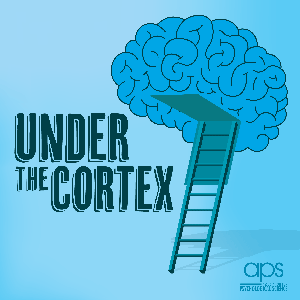

A growing problem in research and publishing involves “paper mills”: organizations that produce and sell fraudulent manuscripts that resemble legitimate research articles. This form of fraud affects the integrity of academic publishing, with repercussions for science as well as the general public. How can fake articles be detected? And how can paper mills be counteracted?
In this episode of Under the Cortex, Dorothy Bishop talks with APS’s Ludmila Nunes about the metascience of fraud detection, industrial-scale fraud and why it is urgent to tackle the fake-article factories known as “paper mills.” Bishop, a professor of neurodevelopmental psychology at Oxford University, is also known for her breakthrough research on developmental disorders affecting language and communication.
To read the transcript, see here.
 View all episodes
 By psychologicalscience

4.6
1212 ratings
A growing problem in research and publishing involves “paper mills”: organizations that produce and sell fraudulent manuscripts that resemble legitimate research articles. This form of fraud affects the integrity of academic publishing, with repercussions for science as well as the general public. How can fake articles be detected? And how can paper mills be counteracted?
In this episode of Under the Cortex, Dorothy Bishop talks with APS’s Ludmila Nunes about the metascience of fraud detection, industrial-scale fraud and why it is urgent to tackle the fake-article factories known as “paper mills.” Bishop, a professor of neurodevelopmental psychology at Oxford University, is also known for her breakthrough research on developmental disorders affecting language and communication.
To read the transcript, see here.

21,960 Listeners

32,250 Listeners

43,691 Listeners
1,813 Listeners
55 Listeners

26,384 Listeners

11,896 Listeners
764 Listeners

113,307 Listeners

56,974 Listeners

14,975 Listeners
4,163 Listeners

29,277 Listeners

16,508 Listeners

103 Listeners