
Sign up to save your podcasts
Or


Key Points:
Notable Quotes:
Resources:
Click here to contact Collett or ask her a question or Click here to contact the Raising Teens team.
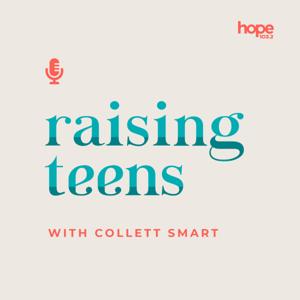
Collett is a psychologist, qualified teacher, speaker, and internationally published author, with 25 years' experience working in private and public schools, as well as in private practice.
Visit Raising Teens for more resources, click here for Collett's books, or join the discussion on Facebook.
Listen to more from our Hope Podcasts collection at hopepodcasts.com.au. And send the team a message via Hope 103.2’s app, Facebook or Instagram.
Support the show: https://hope1032.com.au/donate
See omnystudio.com/listener for privacy information.
 View all episodes
 By Hope 103.2
5
33 ratings
Key Points:
Notable Quotes:
Resources:
Click here to contact Collett or ask her a question or Click here to contact the Raising Teens team.
Collett is a psychologist, qualified teacher, speaker, and internationally published author, with 25 years' experience working in private and public schools, as well as in private practice.
Visit Raising Teens for more resources, click here for Collett's books, or join the discussion on Facebook.
Listen to more from our Hope Podcasts collection at hopepodcasts.com.au. And send the team a message via Hope 103.2’s app, Facebook or Instagram.
Support the show: https://hope1032.com.au/donate
See omnystudio.com/listener for privacy information.

683 Listeners

570 Listeners

244 Listeners
6,006 Listeners

1,438 Listeners

337 Listeners

1,011 Listeners

298 Listeners
354 Listeners

341 Listeners

19,808 Listeners
46 Listeners

1 Listeners
135 Listeners

250 Listeners