
Sign up to save your podcasts
Or



Based on Podcast App listening data
On this episode, Ryan Girdusky sits down with The Bulwark's Andrew Egger to break down the growing political and economic backlash against artificial intelligence—and why it could reshape American politics heading into 2028.
Voters across party lines are increasingly skeptical of AI’s rapid expansion, with rising fears about job loss, economic disruption, and unchecked power from tech companies. As billions of dollars pour into political races from AI-aligned groups, the fight over regulation is just beginning.
EMAIL RYAN
See omnystudio.com/listener for privacy information.
In this episode, Ryan is joined by Semafor national political reporter David Weigel to break down the staggering money, influence, and outcomes shaping the Illinois primary elections.
With more than $32 million spent across key races, this election cycle reveals a new reality in American politics—where super PACs, crypto interests, AI funding, and AIPAC-backed efforts are reshaping Democratic primaries in real time.
Ryan and Weigel dive into:
Who really won Illinois—and how Governor J.B. Pritzker flexed his political and financial power
The growing dominance of outside spending vs. candidate fundraising
How AIPAC, crypto PACs, and AI groups performed—and what their mixed results signal
Why some progressive candidates surged—but ultimately fell short
The surprising ways campaign messaging is shifting away from core issues like AI and crypto How massive ad spending is influencing voter perception—and fueling distrust
What these results mean for future battleground primaries in states like Colorado, California, and beyond
Plus, a deeper look at how ideological purity tests, anti-corporate messaging, and intra-party divisions are shaping the Democratic Party’s future.
See omnystudio.com/listener for privacy information.
In this Ask Me Anything (AMA) episode of A Numbers Game, Ryan answers listener questions on some of the biggest issues shaping American politics, elections, and the economy.
Ryan breaks down the history and evolution of the Senate filibuster, including how it changed from a talking marathon to today’s “silent filibuster,” and why the 60-vote threshold continues to shape what legislation passes—or fails—in Washington.
The episode also dives into the growing debate over gerrymandering, exploring whether Republicans or Democrats benefit more, how redistricting has evolved since the Tea Party wave, and what realistic solutions could end the political “arms race” over district maps.
EMAIL RYAN
See omnystudio.com/listener for privacy information.
In this episode of A Numbers Game, Ryan Girdusky sits down with veteran political journalist Mark Halperin for an in-depth look at the rapidly forming 2028 presidential election landscape.
Halperin breaks down the biggest question in Republican politics right now: Is JD Vance truly inevitable—or is the field more open than it seems? He explains why rising support for Marco Rubio, growing donor skepticism, and concerns about Vance’s political positioning could shake up what once looked like a locked nomination.
On the Democratic side, Halperin delivers a candid assessment of what he calls a “historically weak” field, analyzing potential contenders like Gavin Newsom, Josh Shapiro, Kamala Harris, and Pete Buttigieg—and why none have fully consolidated support. He also dives into the importance of voter coalitions, party divisions, and why the path to the nomination is far less predictable than past cycles.
See omnystudio.com/listener for privacy information.
What will decide the 2026 midterm elections? The numbers behind the voters may hold the answer.
Ryan is joined by Jessica Anderson, President of Sentinel Action Fund, to break down new multi-state focus groups examining voters in key battlegrounds including Ohio, Michigan, North Carolina, Georgia, New Hampshire, and Maine. The study reveals major differences between low-propensity Trump voters and critical swing voters—and why Republicans need both groups to win in a midterm environment.
They discuss how voters view the Trump agenda, the economy, immigration, and tax cuts, along with growing issues like crypto policy and regulatory reform that are shaping voter attitudes. The conversation also dives into the most competitive Senate races in the country, including North Carolina, Ohio, and Maine, and what the data shows about candidates like Sherrod Brown, Susan Collins, and emerging Republican challengers.
Plus: why “chaos fatigue” among swing voters, population shifts in key states, and the balance between loyalty to Trump and independent leadership could determine control of Congress.
If you want to understand the real numbers driving the 2026 battleground map, this episode breaks it all down.
See omnystudio.com/listener for privacy information.
On this episode of A Numbers Game, Ryan Girdusky breaks down the latest 2026 election trends, including a major Republican flip in Prince William County, Democratic overperformance in special elections, and the high-stakes fight over Virginia redistricting. He also dives into what early voting numbers could signal for Republicans, why candidate social media history is becoming a bigger campaign issue, and answers listener questions on Dan Crenshaw, DHS leadership, voter ID, phone banking, Illinois politics, and the future of pro-life conservatism.
EMAIL RYAN
See omnystudio.com/listener for privacy information.
On this episode of A Numbers Game, Ryan Girdusky takes a deep dive into one of the most controversial candidates in the 2026 election cycle: Maine Democratic Senate candidate Graham Platner.
Platner has built his campaign around a working-class image as a veteran and oyster farmer, but Ryan examines whether that narrative holds up under scrutiny. From elite boarding school roots and wealthy family connections to past statements about communism, policing, and rural voters, this episode explores the gap between Platner’s campaign messaging and his past public comments.
Ryan also breaks down the Nazi tattoo controversy, Platner’s online history—including posts on Reddit—and his connections to controversial media figures and political movements. The episode analyzes how Platner’s positions on defunding police, immigration enforcement, socialism, and foreign policy toward China could shape the Maine Senate race against Governor Janet Mills in the Democratic primary and Senator Susan Collins in the general election.
See omnystudio.com/listener for privacy information.
In this episode of A Numbers Game, Ryan Girdusky sits down with Brent Buchanan, president of Cygnal Polling, to break down an exclusive new survey on the political landscape heading into the midterm elections. How do today’s numbers compare to the 2018 midterms—and what do they reveal about where the electorate is heading?
Buchanan walks through the latest generic ballot data showing Democrats with a narrow lead, why the margin is far smaller than the Democratic advantage at this stage in 2018, and how shifts among college-educated and non-college voters could shape key suburban House races. They also discuss Donald Trump’s current favorability numbers, the concept of Trump’s political “floor,” and why presidential approval ratings no longer predict election outcomes the way they once did.
The conversation dives into the issues driving voters today, including why “threats to democracy” ranks high in polling, how voters actually feel about the economy and inflation, and which party Americans trust more on immigration and border security.
EMAIL RYAN
See omnystudio.com/listener for privacy information.
In this short breaking update, Ryan reacts to late-night news that Rep. Tony Gonzales has dropped out of the runoff and will not seek reelection in Texas’s 23rd Congressional District.
Ryan explains why the update was necessary after the Friday episode, which was recorded just hours before Gonzales’ announcement. He breaks down the political pressure surrounding the race, the controversies that defined Gonzales’ tenure, and why the congressman likely chose to step aside rather than face a potential landslide defeat.
Ryan also looks at what this means for the future of the district, the role conservative voters played in forcing the issue, and what comes next for Republican nominee Brandon Herrera.
This quick bonus update episode gives listeners the latest context behind one of the most talked-about primary battles in Texas politics.
EMAIL RYAN
See omnystudio.com/listener for privacy information.
In this episode of A Numbers Game, Ryan Girdusky breaks down the numbers behind the Texas primary elections and why the media narrative about what happened doesn’t match the data.
Ryan dives into the surprisingly strong showing from Senator John Cornyn, who led Attorney General Ken Paxton despite being massively outspent in polling expectations and facing intense grassroots criticism. What do the vote totals, spending gaps, and regional turnout actually reveal about the future of Texas Republican politics—and why might this race signal a coming leadership shakeup in the Lone Star State?
He also analyzes the shocking defeat of Congressman Dan Crenshaw, who lost his primary despite outspending his opponent 9-to-1. Ryan explains why the loss had less to do with national narratives and more to do with candidate popularity, donor sentiment, and grassroots backlash.
Then Ryan turns to the Democratic side, where state Rep. James Talarico defeated Rep. Jasmine Crockett in a high-profile primary. As the media begins portraying Talarico as a potential Democrat who could flip Texas, Ryan examines his record, policy positions, and the political strategy behind the party’s attempt to build the next national progressive star.
Along the way, Ryan explores:
The real numbers behind Cornyn vs. Paxton and why polling missed the mark
Why Crenshaw’s defeat shocked Washington but not Texas insiders
The controversy surrounding Rep. Tony Gonzales and his upcoming runoff
The looming power vacuum in Texas GOP leadership over the next decade
Why Democrats are betting big on James Talarico What the results mean for 2026 midterms and the future of Texas politics
See omnystudio.com/listener for privacy information.
From the publisher's feed
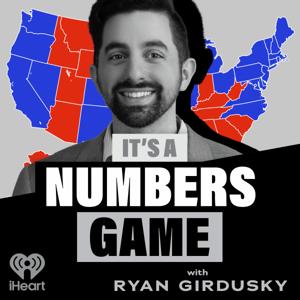
Dive into the world of data with Ryan Girdusky, an acclaimed American political commentator and writer, on "It’s a Numbers Game with Ryan Girdusky." In each episode, Ryan breaks down the most crucial data on politics, economics, and culture, providing you with the insights you need to stay informed and ahead of the curve. Whether you're a data enthusiast or just looking to understand the numbers behind the headlines, Ryan is your go-to source for in-depth analysis and engaging discussions. Listen to new episodes released every Monday and get the facts that matter - subscribe now and never miss an episode!
Join the conversation and follow Ryan for exclusive insights on X.com/RyanGirdusky and Instagram.com/Ryan.James.Girdusky. Listeners of the podcast also receive a free 30-day trial to Ryan’s National Populist Newsletter at natpopnewsletter.com.
Ranked by our users in the last 21 days
3,291 Listeners
464 Listeners

2,247 Listeners

22,662 Listeners

4,838 Listeners
2,817 Listeners

11,787 Listeners

3,084 Listeners

6,207 Listeners
557 Listeners

217 Listeners
1,299 Listeners

1,152 Listeners
1,180 Listeners

503 Listeners