
Sign up to save your podcasts
Or

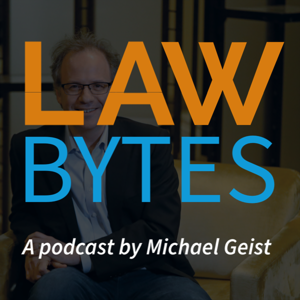


Over the past couple of weeks, there has been mounting outrage over a CRTC decision involving Radio-Canada and a broadcast segment from 2020 in which the N-word was used multiple times as part of a discussion of a book that contains the word in its title. That decision has sparked cries of censorship and concerns about the CRTC. Given that Canadian Heritage Minister Pablo Rodriguez and the government want to give the CRTC even power over Internet content as part of Bill C-11, the implications extend beyond this case. Monica Auer, the executive director of the Forum for Research and Policy in Communications, joins the Law Bytes podcast to discuss the latest developments, the broader concerns with CRTC governance, and whether assurances regarding Internet speech safeguards stand up to careful scrutiny.
Parliament is now on break for the summer, but just prior to heading out of Ottawa, the government introduced Bill C-27. The privacy reform bill that is really three bills in one: a reform of PIPEDA, a bill to create a new privacy tribunal, and an artificial intelligence regulation bill. What’s in the bill from a privacy perspective and what’s changed? Is this bill any likelier to become law than an earlier bill that failed to even advance to committee hearings? To help sort through the privacy aspects of Bill C-27, Ryan Black, a Vancouver-based partner with the law firm DLA Piper (Canada), joins the Law Bytes podcast to discuss everything from changes to consent requirements to how the law will be enforced.
From the publisher's feed

26,165 Listeners

26,260 Listeners
210 Listeners
76 Listeners
106 Listeners
8 Listeners

50 Listeners
5,082 Listeners

36 Listeners

575 Listeners

5,554 Listeners

15,918 Listeners
39 Listeners
4 Listeners

34 Listeners