
Sign up to save your podcasts
Or

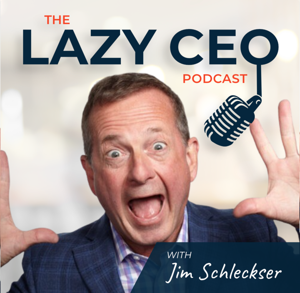

In this episode of the Lazy CEO Podcast, host Jim Schleckser discusses the importance of measurement and different measurement methodologies. He introduces KPIs (Key Performance Indicators) as backward-looking measurements that inform how the business has performed in the past. Financial metrics are highlighted as an example of backward-looking measurements that provide a scorecard view of the business's financial performance.
Jim explains the concept of the balanced scorecard, which incorporates financial, internal, customer, learning and growth metrics. He emphasizes the interconnectedness of these metrics and their alignment with the organization's strategy. The balanced scorecard provides a comprehensive view of the business's performance and helps identify areas for improvement.
Another measurement approach discussed is the strategy map, which takes the balance scorecard one step further by linking strategic goals to specific objectives and key results. Strategy maps create visibility and accountability within the organization, ensuring that everyone understands how their efforts contribute to the overall strategy.
Jim also introduces OKRs (Objectives and Key Results), a popular measurement system used in Silicon Valley. OKRs focus on short-term objectives and measurable results, typically within a quarter. They involve collaborative negotiation and a shared leadership model, encouraging commitment and accountability within teams.
The episode emphasizes the importance of having a measurement system in place, regardless of the specific methodology used. Jim encourages organizations to start implementing a measurement system and iterate over time to refine and improve it. The goal is to have observable metrics that provide a clear indication of the business's performance and alignment with strategic objectives.
 View all episodes
 By Jim Schleckser

4.5
1313 ratings
In this episode of the Lazy CEO Podcast, host Jim Schleckser discusses the importance of measurement and different measurement methodologies. He introduces KPIs (Key Performance Indicators) as backward-looking measurements that inform how the business has performed in the past. Financial metrics are highlighted as an example of backward-looking measurements that provide a scorecard view of the business's financial performance.
Jim explains the concept of the balanced scorecard, which incorporates financial, internal, customer, learning and growth metrics. He emphasizes the interconnectedness of these metrics and their alignment with the organization's strategy. The balanced scorecard provides a comprehensive view of the business's performance and helps identify areas for improvement.
Another measurement approach discussed is the strategy map, which takes the balance scorecard one step further by linking strategic goals to specific objectives and key results. Strategy maps create visibility and accountability within the organization, ensuring that everyone understands how their efforts contribute to the overall strategy.
Jim also introduces OKRs (Objectives and Key Results), a popular measurement system used in Silicon Valley. OKRs focus on short-term objectives and measurable results, typically within a quarter. They involve collaborative negotiation and a shared leadership model, encouraging commitment and accountability within teams.
The episode emphasizes the importance of having a measurement system in place, regardless of the specific methodology used. Jim encourages organizations to start implementing a measurement system and iterate over time to refine and improve it. The goal is to have observable metrics that provide a clear indication of the business's performance and alignment with strategic objectives.
229,674 Listeners

8,801 Listeners

1,265 Listeners

1,105 Listeners

154 Listeners
1,113 Listeners

87,868 Listeners

113,121 Listeners

4,471 Listeners

8,876 Listeners

369,956 Listeners
176 Listeners

10,254 Listeners
4,433 Listeners
170 Listeners