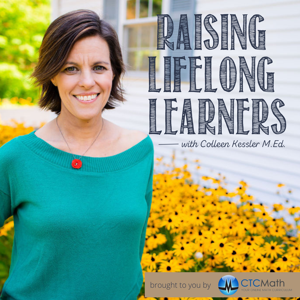
Raising Lifelong Learners

Raising Lifelong Learners

By Colleen Kessler, M.Ed.EducationParentingKids & Family
Download on the App Store

Raising Lifelong Learners episodes

  • Finding Your People | Why Community Matters for Homeschoolers of Neurodivergent Kids

    This week on the podcast, Colleen revisited one of the most common, sometimes thorny, and always essential homeschool topics: finding your people and creating a support system, especially when you're parenting and homeschooling neurodivergent, gifted, or otherwise outside-the-box kiddos.

    After 17 years on this journey, she can assure you: you're not alone if building community feels overwhelming at times—whether you're coming back from a pandemic pause, have tricky past experiences, or your kids just don't "fit in" with typical local groups.

    Here are some highlights and key takeaways:

    Community Matters: Having people around who understand the joys and challenges of homeschooling differently-wired kids is more than a luxury—it's essential fuel for thriving, not just surviving. Our kids (and we as parents) need spaces where it's okay to be quirky, creative, or intense—where someone else says "me too!" and everyone feels genuinely seen.

    It Can Be Hard: Maybe the co-ops near you are too rigid, you've faced past exclusion or judgment, or (like me) you're just plain exhausted trying to do it all. Sometimes your kids resist group activities, or you don't have "joiner" personalities in the house. These are all normal feelings and totally valid struggles.

    You May Need to Rethink What Community Looks Like: Community doesn't have to be a massive co-op or weekly field trip group! It could be a micro-community, supportive online spaces, interest-based activities, or supportive adults who "get" your kids, from librarians to mentors to hobby group leaders.

    Take Some Action This WeekGrab a notebook (or the free printable) and reflect on:

    1. What kind of community are you craving most right now—support, social time, academic help?
    2. List three possible places or people you might reach out to this week for connection (library, therapist, other homeschool families, online groups, etc.)
    3. Is there a family you could invite to connect more regularly and start your own small community?

    You don't have to do this alone. Even if you're the "burned out mom who's always holding it together" or you've tried and been hurt, please know: I see you. The right people are out there, and sometimes you simply need to widen your lens and try again when the time feels right.

    If you need a soft place to land, join us inside the Learner's Lab—where our quirky, creative, and wonderful community is always waiting for you.

    And if you're already in a good spot? Reach out to someone else who might need your invitation.

    Links and Resources from Today's Episode

    Thank you to our sponsors:

    CTC Math – Flexible, affordable math for the whole family!

    Night Zookeeper – Fun, comprehensive language arts for ages 6-12

    • The Homeschool Advantage: A Child-Focused Approach to Raising Lifelong Learners
    • The Homeschool Advantage: A Child-Focused Approach to Raising Lifelong Learners Audiobook
    • Raising Lifelong Learners Membership Community – The Learners Lab
    • Raising Resilient Sons by Colleen Kessler, M.Ed.
    • The Anxiety Toolkit
    • Finding Your Community as a Neurodivergent Family
    • Why Community Is So Important For Gifted And Twice Exceptional Kids
    • Finding Homeschool Community (for our children and ourselves)
    • Finding Community: Building a Support System Online and In-Person
    • Building Flexible Thinking Skills in Your Neurodivergent Child
    • Why Decision Making Feels Overwhelming for Neurodivergent Kids and How to Help
    • Creative Summer Activities to Strengthen Family Connection and Boost Learning

    51 min
  • Building Flexible Thinking Skills in Your Neurodivergent Child

    This week on the podcast, we dive into a topic close to the hearts of many parents and educators: helping neurodivergent kids build flexible thinking skills.

    Whether you're parenting or teaching gifted, 2e, ADHD, autistic, or otherwise wonderfully-wired kiddos, you know that rigid thinking can turn even minor changes into big challenges. You'll hear real-life stories, practical strategies, and compassionate guidance to help you nurture adaptability—without forcing your kids to just "go with the flow."

    Key takeaways from this episode:

    • Validate Their Experience: Begin by acknowledging your child's feelings when plans or expectations shift. Empathy and validation open the door to problem-solving.
    • Model Flexibility: Your kids are always watching! Talk through your own changes in plans, letting them see that adjustment is a skill, not a failure.
    • Use Playful & Structured Opportunities: Incorporate "Plan B" days, offer limited choices, and use stories or role-playing to gently stretch their thinking in a safe, fun way.

    If you're navigating homeschooling with neurodivergent kids—or simply looking to foster resilience—this episode is rich with actionable ideas.

    Let's raise lifelong learners who are ready to adapt, shift, and grow through all of life's twists and turns!

    Links and Resources from Today's Episode

    Thank you to our sponsors:

    👉CTC Math - Flexible, affordable math for the whole family!

    👉Night Zookeeper - Fun, comprehensive language arts for ages 6-12

    • The Homeschool Advantage: A Child-Focused Approach to Raising Lifelong Learners
    • The Homeschool Advantage: A Child-Focused Approach to Raising Lifelong Learners Audiobook
    • Raising Lifelong Learners Membership Community – The Learners Lab
    • Raising Resilient Sons by Colleen Kessler, M.Ed.
    • The Anxiety Toolkit
    • Beating Homeschool Overwhelm With Heart and Flexibility
    • Falling Unexpectedly in Love With Homeschooling My Gifted Child
    • Homeschooling a Profoundly Gifted Child
    • Sparking Curiosity | Nurturing a Love of Learning in Your Child
    • Embracing Interest-Led Homeschooling with Lydia Rosado
    • Sparkschooling | Engaging Children in Music, Art, and STEM
    • Gifted and Distractible with Julie Skolnick
    • Strengthen Executive Function Skills
    • The Best Books for Teaching About Executive Functions Skills
    • 7 Executive Functioning Activities for Small Children
    • 101 Reasons Eclectic Homeschooling Works for Gifted Kids

    Connect with Colleen You can find Colleen on Twitter @ColleenKessler, Facebook @RaisingLifelongLearners, Instagram @ColleenKessler

    23 min
  • Why Decision Making Feels Overwhelming for Neurodivergent Kids and How to Help

    This week on the podcast, we're diving deep into a topic that comes up all the time in our community: helping our neurodivergent kids make decisions.

    If you've ever watched your creative, outside-the-box thinker freeze up over choosing a research topic or panic trying to pick a co-op class, you're not alone. Decision-making—something that seems so simple—can sometimes send our brilliant kids into full-on meltdown mode. Why is that? And more importantly, what can we do to support them?

    Why Decisions Are So Hard for Neurodivergent Kids

    As I shared in this week's podcast episode, decision-making isn't just about picking A or B. It relies on executive function skills: planning, working memory, emotional regulation, and flexible thinking. And for gifted and twice-exceptional kids—those who are often used to being good at things without trying—the pressure to "get it right" can be paralyzing.

    Sometimes just choosing a topic to study or which extracurricular to try feels like a mountain. The fear of making the "wrong" choice, letting someone down, or not liking the outcome can turn a simple decision into a source of overwhelm.

    Key Takeaways:

    • Scaffold Decisions: Break big choices into smaller, manageable steps. Instead of asking your child to choose a year-long project, offer two or three options, or start with smaller daily decisions to build confidence.

    • Use Visual Supports: Choice boards, flowcharts, and checklists can make decisions less overwhelming. Visual aids reduce mental load and help children organize their thoughts.

    • Limit Choices, Make Them Meaningful: Too many options can lead to paralysis. Offer two or three choices you're comfortable with to support autonomy while minimizing overwhelm.

    • Practice Micro-Decisions: Encourage your child to make small choices throughout the day—like which book to read or what snack to have. These low-pressure decisions build "decision-making muscles."

    • Normalize and Validate Struggle: Acknowledge that decision-making is hard, especially for neurodivergent kids. Let your child know their feelings are valid and that it's okay to feel overwhelmed.

    • Reflect and Debrief Together: After decisions are made, circle back and discuss what worked and what didn't. Share what you might do differently next time to help your child see that mistakes are opportunities to learn.

    • Co-Regulate Emotions: Model calmness and support when your child feels stuck. Your steady presence can help soothe anxiety and create a safe space for making choices.

    • Use Collaborative Language: Approach decisions as a team with phrases like, "Let's figure this out together." This relieves pressure and shifts the dynamic from struggle to partnership.

    • Balance Support and Independence: Walk alongside your child as they build these skills. Scaffolding isn't coddling—it's a loving way to help children become confident decision-makers over time.

    • Be Patient—It's a Process: Remember, every small practice and positive experience with decision-making builds lifelong confidence and resilience. Celebrate progress and keep encouraging effort, even when things don't go perfectly..

    Links and Resources from Today's Episode

    Thank you to our sponsors:

    👉CTC Math - Flexible, affordable math for the whole family!

    👉Night Zookeeper - Fun, comprehensive language arts for ages 6-12

    • The Homeschool Advantage: A Child-Focused Approach to Raising Lifelong Learners
    • The Homeschool Advantage: A Child-Focused Approach to Raising Lifelong Learners Audiobook
    • Raising Lifelong Learners Membership Community – The Learners Lab
    • Raising Resilient Sons by Colleen Kessler, M.Ed.
    • The Anxiety Toolkit
    • How Adventuring Together Grows Confidence, Curiosity, and Executive Function
    • Understanding Executive Function Skills in Gifted and Twice-Exceptional Children
    • Strengthening Executive Function Skills: A Conversation with Sarah Collins
    • Strengthen Executive Function Skills
    • The Best Books for Teaching About Executive Functions Skills
    • 7 Executive Functioning Activities for Small Children
    • RLL #84: Exploring Education and Executive Function with Seth Perler
    • The Unmeasured Executive Functioning Issue
    • RLL 20: Helping Your Kiddo with Executive Function Skills Struggles | A Listener Question
    • RLL LIVE | Improving Executive Functions

    38 min
  • Creative Summer Activities to Strengthen Family Connection and Boost Learning

    Summer is here, and with it comes the perfect chance to hit pause on the box-checking frenzy and really connect with our kids. In this week's episode of the podcast, we dive into one of my favorite topics: creating joyful, low-pressure family memories (without overloading your plate—or your calendar).

    Why Fun Matters (Even for Year-Round Homeschoolers!) Remember, while academics are important, authentic connection is the real foundation for lifelong learning. When we prioritize laughter, conversation, and shared experiences, our kids build trust, emotional safety, and a love for learning. Fun isn't an interruption—it's the heart of education, especially for neurodivergent kids who thrive when joy is woven into their days.

    Here are some highlights and takeaways:

    • Release the Guilt—Fun is Productive It's easy to feel guilty when we haven't checked enough boxes or finished the curriculum. But as Colleen says: "Fun is productive, especially for 2e, ADHD, anxious, or autistic learners. It helps them regulate and sparks creative thinking." And it's the simple, everyday moments—late-night talks, silly dance parties, or sharing a new hobby—that kids remember most.

    • Let's Model Joyful Adulthood Our kids look to us as their prime example of what adulthood—and parenthood—should feel like. Let's show them that happiness, connection, and fulfillment are as valuable as diligence. Prioritizing fun and togetherness, especially during these summer months, sets a positive tone for the school year ahead—and for life.

    • Want More Support & Ideas? If you need inspiration—or a community of other outside-the-box families—the Learner's Lab is full of monthly themes, connection challenges, live clubs (hello, Doodle + Lego Club!), and coaching calls. There's a whole archive of fun waiting for you whenever you want to jump in.

    How will you make FUN part of your family's summer?

    Links and Resources from Today's Episode

    Our sponsor for today's episode is CTC Math

    • The Homeschool Advantage: A Child-Focused Approach to Raising Lifelong Learners
    • The Homeschool Advantage: A Child-Focused Approach to Raising Lifelong Learners Audiobook
    • Raising Lifelong Learners Membership Community – The Learners Lab
    • Raising Resilient Sons by Colleen Kessler, M.Ed.
    • The Anxiety Toolkit
    • The Importance Of Play For Your Entire Family
    • A Different Kind Of Family Togetherness: Ideas and Encouragement For Connecting With Our Kids
    • RLL #76: Creating the Adventurous Family with Rachel Rainbolt
    • A Week of Epic Backyard Nature Science Fun | Summer Camp at Home
    • Family Night Game Guide
    • Summer Activities for Kids
    • Outdoor Sun Prints: Summer Science for Kids
    • Sneaking In Summer Learning
    • Navigating Summer Learning With Gifted And Twice Exceptional Kids
    • A Week of Epic Backyard Nature Science Fun | Summer Camp at Home

    Connect with Colleen You can find Colleen on Twitter @ColleenKessler, Facebook @RaisingLifelongLearners, Instagram @ColleenKessler

    43 min
  • Beating Homeschool Overwhelm With Heart and Flexibility

    This week on the podcast, we get real about something we ALL feel at some point (or every day): OVERWHELM. If you're juggling year-round homeschooling, multiple ages, neurodivergent needs, big summer transitions, and the regular chaos of life, this episode is for you.

    Here are some highlights and takeaways:

    • Overwhelm is Normal—You're Not Alone! Whether it's decision fatigue, comparing your journey to others, or executive function struggles (for you AND the kids), it's okay to feel like you can't do it all. Colleen reminds us: "Homeschooling parents of neurodivergent kids—overwhelm is expected. This is normal."
    • Reframe Success Success is NOT getting every single lesson checked off or enforcing perfect handwriting by sixth grade. It's about making progress, fostering curiosity, connecting with your kids, and staying flexible. Celebrate the little wins and focus on connection over perfection.
    • Embrace Flexibility (and Ice Cream for Dinner!) Sometimes you have to toss the plan and go for ice cream, or ditch the math lesson in favor of a walk or a snuggle with a documentary. Homeschooling gives us permission to prioritize what matters most in that moment—connection, not just curriculum.
    • Community Matters You're not meant to do this alone. Colleen invites you to join the free space in The Learner's Lab for support, conversation, and a judgment-free zone to connect with other parents who get it.
    • Remember Your Why Homeschooling is a loving, intentional choice, especially for neurodivergent kiddos who need something different. On hard days, revisit your original "why"—it can help ground you and remind you of the long-term wins.

    Raising your kids at home is messy and beautiful. So take a deep breath, let go of the guilt, and remember: You are the perfect parent for your kids, and they are the perfect kids for you.

    Links and Resources from Today's Episode

    Our sponsor for today's episode is CTC Math

    • The Homeschool Advantage: A Child-Focused Approach to Raising Lifelong Learners
    • The Homeschool Advantage: A Child-Focused Approach to Raising Lifelong Learners Audiobook
    • Raising Lifelong Learners Membership Community – The Learners Lab
    • Raising Resilient Sons by Colleen Kessler, M.Ed.
    • The Anxiety Toolkit
    • When the World Overwhelms Your Anxious Child | How You Can Help
    • Homeschooling During Overwhelming Times
    • Easy Ways to Boost Emotional Intelligence During Your Homeschool Day
    • Busting the Biggest Myths About Homeschooling Neurodivergent Kids
    • Why Family Connection Matters Most as Kids Grow Up
    • How Adventuring Together Grows Confidence, Curiosity, and Executive Function
    • Falling Unexpectedly in Love With Homeschooling My Gifted Child

    Connect with Colleen You can find Colleen on Twitter @ColleenKessler, Facebook @RaisingLifelongLearners, Instagram @ColleenKessler

    46 min
  • Easy Ways to Boost Emotional Intelligence During Your Homeschool Day

    Today's episode dives deep into the heart of something that's foundational for our kids (and us too)—emotional intelligence, or EQ. Whether you're raising a neurodivergent kiddo, a gifted learner, or just want smoother sailing at home, this episode is packed with actionable ideas you can use right away.

    Why EQ Matters Emotional intelligence is all about recognizing, understanding, and managing our own feelings—and responding thoughtfully to others'. As Colleen shares, EQ helps our kids become effective learners, thinkers, and friends. It's the foundation for resilience, healthy relationships, strong communication, and even critical thinking.

    Key Takeaways from the Episode:

    • Start with Daily Emotional Check-Ins: A simple "How are you feeling today?" at breakfast, paired with a feelings chart or a color-coded stoplight, helps everyone build language around emotions.
    • "Name it to Tame it": When emotions run high, help your child put words to what they're feeling. "Wow, you seem frustrated…" This acknowledgment can actually help reduce the intensity!
    • Pause Academics for Connection: Remember Colleen's mantra: Connection before correction. It's always easier to fix a missed math lesson than a strained relationship.
    • Normalize Feelings with Stories: Pause during read-alouds to discuss what characters might be experiencing. It's a natural way to build empathy and open up conversation.
    • Create (and Use!) Calm Down Spaces: Every family member can benefit from a cozy spot designed to reset and self-regulate. Even Colleen has her own calm corner with twinkle lights!
    • Model Apologies and Self-Regulation: When we mess up (we all do!), own it: "I'm sorry. I was feeling overwhelmed and reacted poorly." Our kids learn emotional intelligence by watching us handle our own mistakes.

    Links and Resources from Today's Episode

    Our sponsor for today's episode is CTC Math

    • The Homeschool Advantage: A Child-Focused Approach to Raising Lifelong Learners
    • The Homeschool Advantage: A Child-Focused Approach to Raising Lifelong Learners Audiobook
    • Raising Lifelong Learners Membership Community – The Learners Lab
    • Raising Resilient Sons by Colleen Kessler, M.Ed.
    • The Anxiety Toolkit
    • Games to Help Improve Your Kid's Emotional Intelligence
    • What is Emotional Intelligence?
    • Building Social-Emotional Skills While Helping Others
    • Emotional Overexcitability And Gifted Kids (what you need to know)
    • RLL #93: 7 Tips and Strategies for Boosting Emotional Resilience in Your Kids
    • RLL #89: Helping Our Gifted Kids With Social and Emotional Struggles
    • Add Emotional Education to Your Homeschool
    • Helping Neurodivergent Kids Manage Big Emotions in the Homeschool

    Connect with Colleen You can find Colleen on Twitter @ColleenKessler, Facebook @RaisingLifelongLearners, Instagram @ColleenKessler

    36 min
  • Busting the Biggest Myths About Homeschooling Neurodivergent Kids

    Today's episode is an extra special pep talk for anyone homeschooling—or considering homeschooling—neurodivergent kids. If you've ever felt doubtful, heard wild myths, or just wanted some validation, this one is for you!

    Episode Spotlight: Myth Busting Neurodivergent Homeschooling

    Have you heard these before?

    • "Neurodivergent kids need experts, not parents."
    • "Homeschooled kids won't be socialized."
    • "They'll have too many gaps or fall behind."
    • "Homeschooling will make anxiety or emotional struggles worse."
    • "You have to do it alone."

    We'll tackle these five myths through research, stories, and straight-from-the-heart encouragement. Here's what you need to know:

    You Are Your Child's Best Teacher No one knows your child like you do. Yes, experts are great support, but YOU are the one who can tailor learning to their specific needs every day.

    Socialization? More Like Social Flourishing Forget the outdated worries. Homeschoolers are out in the world—community, classes, clubs, and new friends, both in-person and online. Social learning happens in real, meaningful ways.

    No More Fear of Gaps Every graduate (homeschooled or not) leaves school with gaps. Homeschooling lets your kids shine where they excel and grow where they need help, all at their own pace. Individualized learning = thriving.

    A Gentler Path for Emotional Well-Being Home can be a healing, safe space where neurodivergent kids feel seen and supported. Emotional safety comes first—academic growth comes naturally from there.

    You Are Not Alone This journey comes with challenges. But you're not meant to do it solo. Communities exist (like The Learner's Lab!) where you'll find understanding, friendship, and real support.

    Free Resource: Family Connection Challenge Ready to deepen your family connections this summer? Join Colleen's detective-themed Family Connection Challenge, kicking off June 16. It's FREE, fun, and open to everyone—no Learner's Lab membership required!

    Get the Book

    For a deeper dive into these transformative concepts, don't forget to grab my new book, The Homeschool Advantage, where you can explore chapter six and beyond. It's a fantastic resource filled with actionable advice for homeschool educators.

    Links and Resources from Today's Episode

    Our sponsor for today's episode is CTC Math

    • The Homeschool Advantage: A Child-Focused Approach to Raising Lifelong Learners
    • The Homeschool Advantage: A Child-Focused Approach to Raising Lifelong Learners Audiobook
    • Raising Lifelong Learners Membership Community – The Learners Lab
    • Raising Resilient Sons by Colleen Kessler, M.Ed.
    • The Anxiety Toolkit
    • Embracing Play for Teens | Growth and Resilience
    • Benefits of Keeping It Playful With Teens
    • Homeschooling Success | The Role of Strong Family Connections
    • Building Strong Family Teams | Tips for Connection and Collaboration
    • The Power of Connection in Homeschooling Neurodivergent Kids
    • Building Strong Family Bonds | A Conversation with Andee Martineau
    • Strengthening Bonds | Building Family Routines and Rituals
    • Finding Your Community as a Neurodivergent Family
    • Activities to Strengthen Your Family Team
    • A Different Kind Of Family Togetherness: Ideas and Encouragement For Connecting With Our Kids

    Connect with Colleen You can find Colleen on Twitter @ColleenKessler, Facebook @RaisingLifelongLearners, Instagram @ColleenKessler

    35 min
  • Why Family Connection Matters Most as Kids Grow Up

    Today's episode of the podcast, is all about building meaningful connections with your preteens and teens—especially as they start finding their independence. Colleen gets real about the challenges of staying connected as kids grow older and shares practical, heartfelt tips on how to keep those important bonds strong (even when everyone's schedule is packed and the house is chaos!).

    Whether you're navigating parenting differences with your partner, homeschooling neurodivergent kiddos, or just trying to carve out some quality time with your teen, this episode is filled with encouragement and actionable ideas—from quick car chats to planned outings (hello, amusement parks, even if you're not riding the rollercoasters 👍).

    Plus, don't miss the special Family Connection Challenge in June—there's something for everyone in the family!

    Key Takeaways:

    • Prioritize Connection in the Teen Years: As children become preteens and teens, intentional connection becomes more challenging but remains crucial. Make connection an ongoing priority, not just something you do when they're young.
    • Connection Is Foundational: A strong parent-child bond is the foundation for emotional, social, and academic growth—especially for neurodivergent kids. It's the "safety net" that helps families weather challenges.
    • Small Moments Count: Casual, everyday interactions—like giving your full attention, listening without judgment, or acknowledging your child's feelings—build trust and closeness over time.
    • Planned Time Matters Too: Schedule intentional one-on-one time doing things you both enjoy. Let your teen or young adult take the lead in choosing activities, showing genuine interest in their interests.
    • Be Present and Available: When your child seeks you out, pause what you're doing. Putting aside distractions and giving your full attention communicates that they are a priority.
    • Support Without Solving: As teens and young adults set out on their own, focus on being a support system rather than trying to solve their problems. Help them see options and let them make their own choices.
    • Respect Their Growing Independence: Understand that pulling away is natural for adolescents and young adults. Stay positive, keep inviting them to connect, and be flexible about how and when you spend time together.
    • Connection Over Correction: Resist the urge to coach, correct, or offer advice unless asked. Concentrate on enjoying your child's company and celebrating who they are, not just what they do.
    • Use Technology Mindfully: Texts, memes, and short messages can help maintain connection—especially when your kids are away. Keep it light and avoid overwhelming them with too many questions or expectations.
    • Model Kindness and Inclusion: Simple gestures—like small acts of kindness or including everyone—demonstrate the type of connection you hope your children will seek and offer in return.
    • Stay Persistent: Even if it feels one-sided at times, keep showing up. Consistent, kind efforts to connect make a lasting impact, even as your children grow more independent.

    The underlying message? Connection is not about being perfect—it's about showing up, looking your kid in the eye, and letting them know they matter. By being responsive, by offering both presence and independence, we help our kids grow into confident, resilient adults who know, no matter where they go, there's always a safe place to return.

    Whether you try a weeklong challenge or simply make eye contact at the dinner table tonight, every effort counts toward raising lifelong learners—and lifelong bonds.

    Ready for More?

    • Join our June Family Connection Challenge in The Lab! Everyone's invited—members and non-members alike—and there are prizes and loads of fun planned.

    Keep an eye out for new courses and coaching programs, perfect for your family. Stay tuned for more information by joining our newsletter if you haven't already—it's the best way to ensure you're up-to-date with the latest resources and support.

    Get the Book

    For a deeper dive into these transformative concepts, don't forget to grab my new book, The Homeschool Advantage, where you can explore chapter six and beyond. It's a fantastic resource filled with actionable advice for homeschool educators.

    Links and Resources from Today's Episode

    Our sponsor for today's episode is CTC Math

    • The Homeschool Advantage: A Child-Focused Approach to Raising Lifelong Learners
    • The Homeschool Advantage: A Child-Focused Approach to Raising Lifelong Learners Audiobook
    • Raising Lifelong Learners Membership Community – The Learners Lab
    • Raising Resilient Sons by Colleen Kessler, M.Ed.
    • The Anxiety Toolkit
    • Embracing Play for Teens | Growth and Resilience
    • Benefits of Keeping It Playful With Teens
    • Homeschooling Success | The Role of Strong Family Connections
    • Building Strong Family Teams | Tips for Connection and Collaboration
    • The Power of Connection in Homeschooling Neurodivergent Kids
    • Building Strong Family Bonds | A Conversation with Andee Martineau
    • Strengthening Bonds | Building Family Routines and Rituals
    • Finding Your Community as a Neurodivergent Family
    • Activities to Strengthen Your Family Team
    • A Different Kind Of Family Togetherness: Ideas and Encouragement For Connecting With Our Kids

    Connect with Colleen You can find Colleen on Twitter @ColleenKessler, Facebook @RaisingLifelongLearners, Instagram @ColleenKessler

    44 min
  • How Adventuring Together Grows Confidence, Curiosity, and Executive Function

    On today's episode of the podcast, we dive deep into the power of adventure—not the mountain-climbing kind, but the small, everyday moments that shape our children into confident, resilient learners.

    As homeschooling parents, especially with neurodivergent kiddos, it's easy to get caught up in structure and routine. Remember that adventure is everywhere: in our backyards, kitchens, and local parks.

    Key Takeaways:

    • Adventure Builds Resilience & Confidence: Trying new things (even small ones!) helps kids learn to fail, adjust, try again, and discover real-world bravery.
    • Stronger Social & Emotional Bonds: Shared adventures—big or small—create lasting memories and connections, especially important for neurodivergent kids who might find peer relationships challenging.
    • Academic & Life Skills in Action: Everyday adventures offer hands-on opportunities for kids to practice executive function skills like planning, flexibility, and problem-solving, making learning "sticky" and relevant.

    Adventure doesn't have to be expensive or elaborate. What matters most is showing up for your kids, following their interests, and saying "yes" to making memories—whether you build a pillow fort, try a new food, or plan a mystery dinner together.

    Ready for More?

    • Don't forget to grab your free download: 100 Simple Adventures for Your Homeschool
    • Join our June Family Connection Challenge in The Lab! Everyone's invited—members and non-members alike—and there are prizes and loads of fun planned.

    Adventure is all around—let's make it a part of our everyday!

    Keep an eye out for new courses and coaching programs, perfect for your family. Stay tuned for more information by joining our newsletter if you haven't already—it's the best way to ensure you're up-to-date with the latest resources and support.

    Get the Book

    For a deeper dive into these transformative concepts, don't forget to grab my new book, The Homeschool Advantage, where you can explore chapter six and beyond. It's a fantastic resource filled with actionable advice for homeschool educators.

    Links and Resources from Today's Episode

    Our sponsor for today's episode is CTC Math

    • The Homeschool Advantage: A Child-Focused Approach to Raising Lifelong Learners
    • The Homeschool Advantage: A Child-Focused Approach to Raising Lifelong Learners Audiobook
    • Raising Lifelong Learners Membership Community – The Learners Lab
    • Raising Resilient Sons by Colleen Kessler, M.Ed.
    • The Anxiety Toolkit
    • Why Play Matters | Unleashing Lifelong Learning Through Play
    • Embracing Play for Teens | Growth and Resilience
    • Benefits of Keeping It Playful With Teens
    • How a Return to Outside Play Will Help Our Kids Thrive with Ginny Yurich
    • Play-Based Learning In Your Homeschool: It's More Than Just Board Games
    • The Importance Of Play For Your Entire Family
    • Enjoy Your Kids: Play, Live, & Love Intentionally
    • Fabulous Outdoor Play Spaces

    Connect with Colleen You can find Colleen on Twitter @ColleenKessler, Facebook @RaisingLifelongLearners, Instagram @ColleenKessler

    29 min
  • Celebrating Wins: Why Noticing the Small Stuff Is a Gamechanger in Your Homeschool

    This week on the podcast, we're diving into something that might seem small at first glance but can create a massive ripple effect in your child's life—celebrating wins! Whether your kiddo is neurodivergent, gifted, twice-exceptional, or simply working hard on any kind of challenge, recognizing their progress is a simple and powerful tool to build confidence, resilience, and deeper connection.

    Key Takeaways:

    • Celebrate Progress, Not Perfection: Focus on your child's effort and growth—academically, emotionally, or socially—rather than on flawless outcomes or test scores. Recognize that every step forward matters.
    • Make Celebration Part of Your Family Culture: Normalize celebrating both big and small wins. Everyday achievements, like staying calm during frustration or trying something new, are worth acknowledging.
    • Be Specific with Praise: Offer detailed, genuine feedback instead of generic compliments. Let your child know exactly what they did well, so they feel truly seen and understand what actions led to their success.
    • Support Emotional Wellbeing: Regularly celebrating wins helps rewire your child's thinking toward positivity, reduces anxiety and shame, and boosts confidence—especially for neurodivergent kids who may be prone to self-criticism.
    • Reinforce Intrinsic Motivation: Frequent, meaningful celebration fosters your child's internal desire to keep trying and learning, rather than only aiming for external rewards.
    • Track and Display Success: Use visual tools like "win walls," progress jars, or journals to make accomplishments visible and motivating, especially for children who need tangible reminders of their progress.
    • Include the Whole Family: Encourage siblings to cheer each other on, and celebrate everyone's growth together to foster a positive, team-spirited home environment.
    • Keep Celebrations Simple and Meaningful: Low-pressure gestures—like a high-five, dance party, extra story at bedtime, or picking from a treasure box—can turn accomplishments into lasting, positive memories.
    • Model Growth Mindset: Show your child that learning is about the journey, including the mistakes and messy parts. Reflect together on successes and struggles to help everyone learn and grow.
    • Recognize Everyday Wins: Remember that wins can be as simple as trying again after failing, using a calming strategy, or showing kindness to others. Celebrate these, too, and help your child value personal growth.

    Celebration doesn't mean constant applause—it means noticing. By being specific and genuine, you help your kids develop self-awareness, resilience, and a true sense of accomplishment. For more practical tips and encouragement, check out Chapter 7 of The Homeschool Advantage or revisit past podcast episodes on building confidence and emotional strength.

    Need more resources and encouragement?

    There are so many tools, from printable feeling charts to recommended books and calming activities, available online. Check out booklists for emotional intensity, anxiety, and anger in kids; explore the "zones of regulation"; and, most importantly, find a like-minded community for support. Your family isn't alone, and together, we can raise lifelong learners—and emotionally healthy humans—one regulated breath at a time.

    Keep an eye out for new courses and coaching programs, perfect for your family. Stay tuned for more information by joining our newsletter if you haven't already—it's the best way to ensure you're up-to-date with the latest resources and support.

    Get the Book

    For a deeper dive into these transformative concepts, don't forget to grab my new book, The Homeschool Advantage, where you can explore chapter six and beyond. It's a fantastic resource filled with actionable advice for homeschool educators.

    Links and Resources from Today's Episode

    Our sponsor for today's episode is CTC Math

    • The Homeschool Advantage: A Child-Focused Approach to Raising Lifelong Learners
    • The Homeschool Advantage: A Child-Focused Approach to Raising Lifelong Learners Audiobook
    • Raising Lifelong Learners Membership Community – The Learners Lab
    • Raising Resilient Sons by Colleen Kessler, M.Ed.
    • The Anxiety Toolkit
    • Embracing Creativity in Homeschooling
    • Nurturing Communication Skills in Your Homeschool
    • Overcoming Sleep Struggles: Tips for Neurodiverse Families
    • Why Play Matters | Unleashing Lifelong Learning Through Play
    • Sparking Curiosity | Nurturing a Love of Learning in Your Child
    • Finding Wonder and Joy in Everyday Homeschooling and Parenting
    • When Homeschool Looks Different: Embracing the Chaos and Finding Joy
    • Embracing Child-Focused Learning | A Guide for Homeschooling Neurodivergent Children

    Connect with Colleen You can find Colleen on Twitter @ColleenKessler, Facebook @RaisingLifelongLearners, Instagram @ColleenKessler

    31 min

About Raising Lifelong Learners

From the publisher's feed

Raising Lifelong Learners is the podcast for parents raising and homeschooling neurodivergent kids—including gifted, twice-exceptional (2e), ADHD, autistic, anxious, and otherwise differently wired children.

More shows like Raising Lifelong Learners

Brains On! Science podcast for kids by Brains On Universe

Brains On! Science podcast for kids

13,748 Listeners

Read-Aloud Revival ® by Sarah Mackenzie

Read-Aloud Revival ®

3,360 Listeners

Homeschool Better Together by Emily Brown

Homeschool Better Together

696 Listeners

Brave Writer by Julie Bogart and Melissa Wiley

Brave Writer

894 Listeners

But Why: A Podcast for Curious Kids by Vermont Public

But Why: A Podcast for Curious Kids

5,169 Listeners

The Holy Post by Phil Vischer

The Holy Post

4,427 Listeners

Up First from NPR by NPR

Up First from NPR

56,414 Listeners

The 1000 Hours Outside Podcast by 1000 Hours Outside

The 1000 Hours Outside Podcast

2,213 Listeners

The Literary Life Podcast by Angelina Stanford Thomas Banks

The Literary Life Podcast

1,194 Listeners

Homeschool Made Simple by Homeschool Made Simple

Homeschool Made Simple

399 Listeners

Homeschool Conversations with Humility and Doxology by Amy Sloan | HumilityandDoxology

Homeschool Conversations with Humility and Doxology

111 Listeners

Money For Couples with Ramit Sethi by Ramit Sethi

Money For Couples with Ramit Sethi

3,451 Listeners

The Arthur Podcast by GBH & PBS Kids

The Arthur Podcast

2,304 Listeners