
Sign up to save your podcasts
Or

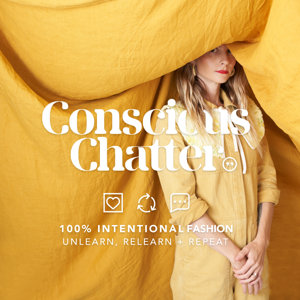

In episode 124, Kestrel welcomes Luke Haverhals, the founder and CEO of Natural Fiber Welding, to the show. An analytical chemist, materials scientist and entrepreneur, Luke is working to produce sustainable, high performance materials for a variety of applications with his team at Natural Fiber Welding.
"We're doing something really important for the world which is to basically unleash the abundance of nature and what nature produces at scale (that's very high performance), and being able to convert those materials very simply and very cost-effectively into the things that we need to have high quality and standards of living that are sustainable and renewable." -Luke Haverhals, CEO + Founder of Natural Fiber WeldingIn this episode, Luke shares more of his backstory, and how growing up on a farm in the Midwest helped him understand some of the processes behind the creation of things - whether it was food or other materials. He also explains how his research / the early developments of Natural Fiber Welding evolved out of his work at the Department of Defense.
Additionally, Luke helps break down a bit more of the chemistry and science behind the Natural Fiber Welding closed loop system process.
Kestrel addresses an issue she has seen quite a bit recently in the innovative materials space - in that younger, smaller brands often aren't able to access these new fabrics, either due to minimums or requirements for large financial investments. Luke explains how he and Natural Fiber Welding are doing things differently - due to the way they have built an efficient, scalable system, they feel confident working with both smaller and larger brands.
The below thoughts, ideas + organizations were brought up in this chat:
Recommended Article From Intro"Sustainable Fashion Only Works When It's Inclusive: When talking about sustainability, we must address the elephant in the room."by Celine Semaan
 View all episodes
 By Kestrel Jenkins

4.7
137137 ratings
In episode 124, Kestrel welcomes Luke Haverhals, the founder and CEO of Natural Fiber Welding, to the show. An analytical chemist, materials scientist and entrepreneur, Luke is working to produce sustainable, high performance materials for a variety of applications with his team at Natural Fiber Welding.
"We're doing something really important for the world which is to basically unleash the abundance of nature and what nature produces at scale (that's very high performance), and being able to convert those materials very simply and very cost-effectively into the things that we need to have high quality and standards of living that are sustainable and renewable." -Luke Haverhals, CEO + Founder of Natural Fiber WeldingIn this episode, Luke shares more of his backstory, and how growing up on a farm in the Midwest helped him understand some of the processes behind the creation of things - whether it was food or other materials. He also explains how his research / the early developments of Natural Fiber Welding evolved out of his work at the Department of Defense.
Additionally, Luke helps break down a bit more of the chemistry and science behind the Natural Fiber Welding closed loop system process.
Kestrel addresses an issue she has seen quite a bit recently in the innovative materials space - in that younger, smaller brands often aren't able to access these new fabrics, either due to minimums or requirements for large financial investments. Luke explains how he and Natural Fiber Welding are doing things differently - due to the way they have built an efficient, scalable system, they feel confident working with both smaller and larger brands.
The below thoughts, ideas + organizations were brought up in this chat:
Recommended Article From Intro"Sustainable Fashion Only Works When It's Inclusive: When talking about sustainability, we must address the elephant in the room."by Celine Semaan
11,564 Listeners
270 Listeners
259 Listeners

112,075 Listeners
572 Listeners
201 Listeners
1,504 Listeners

9,246 Listeners

4,098 Listeners

521 Listeners

4,838 Listeners
708 Listeners

16,096 Listeners
46 Listeners

19,613 Listeners