
Sign up to save your podcasts
Or


Send us Fan Mail
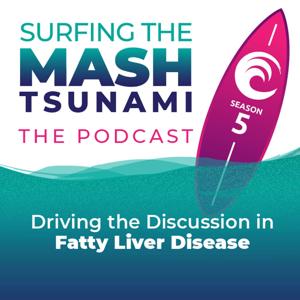
Global Liver Institute Founder and CEO Donna Cryer and Key Opinion Leader Professor Scott Friedman joined Roger Green at NASH-TAG 2022 for a far-reaching conversation on drug development and scientific advances in Fatty Liver disease.
This episode includes the entire discussion, plus a shorter one with Roger and SurfingNASH co-host Louise Campbell on some of the lessons emerging from NASH-TAG's first day.
Timestamps:
2:17 – Roger Green introduces the agenda for today’s episode
5:42 – Donna Cryer: “Favorite phrase” from the NASH-TAG Day 1 is “lessons learned”
7:02 – Scott Friedman on NASH-TAG Day 1: equal parts sobering and promising, with a major conceptual change
7:34 – Scott’s “sobering” points: highly anticipated clinical trials “did not pan out;” “we don’t know where this disease starts” or where to start treating it; and “we tend to approach the disease as one size fits all”
9:06 – Scott’s “promising” points: digital histopathologies, gene regulation and epigenetics, diagnostics, organoid technologies and more
11:33 – Roger: We need to think of “combination” treatment strategies not only as static same-time combinations but also sequencing of medications as replacements or add-ons
12:58 – Donna: To de-risks trials, include patients throughout objective setting and trial design
14:42 – Roger: Patient feedback may provide greater value to smaller companies with less margin for error
15:28 – Scott: Another consideration is patients’ disappointment "when things don’t work.”
16:20 – Donna: Patients realize the first drug “doesn’t have to be perfect”
17:13 – Donna: Interdisciplinary discussions at NASH-TAG are a very hopeful development
18:04 – Scott: We have a great deal to learn about underlying biology, but the efforts to do so make me hopeful
19:10 – Scott: Weight loss reverses a biology we can’t seem to accomplish with NASH drugs, which is promising
20:18 – Donna: We need multidisciplinary, multifaceted complete care approaches that do not rely on patients’ willpower and work for different types of patients
22:24 – Scott: “Personalizing” is not just about therapy, but also how the patient copes with the disease
23:02 – Donna: I remember early in my care being jealous of cancer patients for the holistic care they were able to receive that liver patients weren’t
25:55 – Donna: Will pruritis continue to be an ultra-rare indication when it exists with so many liver diseases?
26:25 – Scott: New, more elegant biologic definition of pruritis processes should lead companies to develop better therapies
28:59 – Donna: When they are approved, NASH drugs will be prescribed in as polypharmacy. Patients have multiple healthcare costs. I hope manufacturers will act responsibly
30:14 – Donna: Pricing for pruritis agents might inspire a backlash. Patient advocates will not support current pricing
31:01 – Roger: Keep in mind that modeling comes from finance departments and targets cash management and budgeting issues
31:34 – FINAL QUESTION: What do you believe will change and hope will change in the next year?
31:40 – Scott: Hope to see a drug trial result that will points to approval. Expect to see advances in NITs and digital histopathology
32:41 – Donna: Hope and expect two things: alignment between advocates, researchers, manufacturers and regulators on what mark we need to hit and what will happen once we hit it, and clarity around best use of NITs
33:31 – Roger: Expect to see adoption of digital histopathology in 23, maybe even end of next year. Hope to see widespread acceptance that stabilizing fibrosis is a perfectly acceptable clinical outcome for drugs
34:33 – Scott: We’ve known all along that FDA considers non-progression from advanced fibrosis to cirrhosis an acceptable endpoint
36:03 – Louise and Roger chat about fine points from NASH-TAG sessions and the first part of S3 E2
45:55 – Business Section
 View all episodes
 By SurfingNASH.com


3.9
2424 ratings
Send us Fan Mail
Global Liver Institute Founder and CEO Donna Cryer and Key Opinion Leader Professor Scott Friedman joined Roger Green at NASH-TAG 2022 for a far-reaching conversation on drug development and scientific advances in Fatty Liver disease.
This episode includes the entire discussion, plus a shorter one with Roger and SurfingNASH co-host Louise Campbell on some of the lessons emerging from NASH-TAG's first day.
Timestamps:
2:17 – Roger Green introduces the agenda for today’s episode
5:42 – Donna Cryer: “Favorite phrase” from the NASH-TAG Day 1 is “lessons learned”
7:02 – Scott Friedman on NASH-TAG Day 1: equal parts sobering and promising, with a major conceptual change
7:34 – Scott’s “sobering” points: highly anticipated clinical trials “did not pan out;” “we don’t know where this disease starts” or where to start treating it; and “we tend to approach the disease as one size fits all”
9:06 – Scott’s “promising” points: digital histopathologies, gene regulation and epigenetics, diagnostics, organoid technologies and more
11:33 – Roger: We need to think of “combination” treatment strategies not only as static same-time combinations but also sequencing of medications as replacements or add-ons
12:58 – Donna: To de-risks trials, include patients throughout objective setting and trial design
14:42 – Roger: Patient feedback may provide greater value to smaller companies with less margin for error
15:28 – Scott: Another consideration is patients’ disappointment "when things don’t work.”
16:20 – Donna: Patients realize the first drug “doesn’t have to be perfect”
17:13 – Donna: Interdisciplinary discussions at NASH-TAG are a very hopeful development
18:04 – Scott: We have a great deal to learn about underlying biology, but the efforts to do so make me hopeful
19:10 – Scott: Weight loss reverses a biology we can’t seem to accomplish with NASH drugs, which is promising
20:18 – Donna: We need multidisciplinary, multifaceted complete care approaches that do not rely on patients’ willpower and work for different types of patients
22:24 – Scott: “Personalizing” is not just about therapy, but also how the patient copes with the disease
23:02 – Donna: I remember early in my care being jealous of cancer patients for the holistic care they were able to receive that liver patients weren’t
25:55 – Donna: Will pruritis continue to be an ultra-rare indication when it exists with so many liver diseases?
26:25 – Scott: New, more elegant biologic definition of pruritis processes should lead companies to develop better therapies
28:59 – Donna: When they are approved, NASH drugs will be prescribed in as polypharmacy. Patients have multiple healthcare costs. I hope manufacturers will act responsibly
30:14 – Donna: Pricing for pruritis agents might inspire a backlash. Patient advocates will not support current pricing
31:01 – Roger: Keep in mind that modeling comes from finance departments and targets cash management and budgeting issues
31:34 – FINAL QUESTION: What do you believe will change and hope will change in the next year?
31:40 – Scott: Hope to see a drug trial result that will points to approval. Expect to see advances in NITs and digital histopathology
32:41 – Donna: Hope and expect two things: alignment between advocates, researchers, manufacturers and regulators on what mark we need to hit and what will happen once we hit it, and clarity around best use of NITs
33:31 – Roger: Expect to see adoption of digital histopathology in 23, maybe even end of next year. Hope to see widespread acceptance that stabilizing fibrosis is a perfectly acceptable clinical outcome for drugs
34:33 – Scott: We’ve known all along that FDA considers non-progression from advanced fibrosis to cirrhosis an acceptable endpoint
36:03 – Louise and Roger chat about fine points from NASH-TAG sessions and the first part of S3 E2
45:55 – Business Section

32,100 Listeners

30,666 Listeners
9,622 Listeners
102 Listeners
21,141 Listeners
3,360 Listeners

111,948 Listeners

56,508 Listeners
9,532 Listeners

7,995 Listeners

10,182 Listeners

6,381 Listeners

0 Listeners
425 Listeners

736 Listeners