
Sign up to save your podcasts
Or


Send us Fan Mail
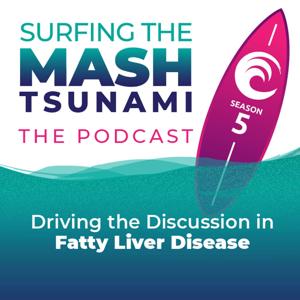
Surfing the NASH Tsunami hosts its first episode dedicated to nutrition and NASH with distinguished guest, Prof. Shira Zelber-Sagi. Surfing alongside this rich discussion are Ken Cusi, Jörn Schattenberg, Louise Campbell and Roger Green.
Ken begins this conversation by extending his ideas around the need for US insurance companies to support integrated solutions. Louise asks Ken whether he believes things will change when new anti-NASH drugs are approved. Ken states that in his dealings over the years with insurance companies, obesity management has been regarded as an expense, not an investment. He notes Western democracies in general have neglected to invest in obesity management.
Roger revisits the theme of finding value in apps and digital interventions. Shira believes that while they can be a helpful tool for many, they cannot replace human interaction. Ken agrees and elaborates that while an app can catalyze momentum, motivation often wanes after several months. Those trying moments are exactly when Ken envisions human intervention to be critical. Jörn returns to the idea that patients need to develop the habit of regular dietician visits. He says he might adopt Shira’s “haircut” metaphor, whereby maintenance visits are conducted every month or two. As the conversation winds down, Louise and Shira discuss the idea that while allied providers do not have the time for full-fledged behavioral therapy, they can provide information and support that helps patients improve.
 View all episodes
 By SurfingNASH.com


3.9
2424 ratings
Send us Fan Mail
Surfing the NASH Tsunami hosts its first episode dedicated to nutrition and NASH with distinguished guest, Prof. Shira Zelber-Sagi. Surfing alongside this rich discussion are Ken Cusi, Jörn Schattenberg, Louise Campbell and Roger Green.
Ken begins this conversation by extending his ideas around the need for US insurance companies to support integrated solutions. Louise asks Ken whether he believes things will change when new anti-NASH drugs are approved. Ken states that in his dealings over the years with insurance companies, obesity management has been regarded as an expense, not an investment. He notes Western democracies in general have neglected to invest in obesity management.
Roger revisits the theme of finding value in apps and digital interventions. Shira believes that while they can be a helpful tool for many, they cannot replace human interaction. Ken agrees and elaborates that while an app can catalyze momentum, motivation often wanes after several months. Those trying moments are exactly when Ken envisions human intervention to be critical. Jörn returns to the idea that patients need to develop the habit of regular dietician visits. He says he might adopt Shira’s “haircut” metaphor, whereby maintenance visits are conducted every month or two. As the conversation winds down, Louise and Shira discuss the idea that while allied providers do not have the time for full-fledged behavioral therapy, they can provide information and support that helps patients improve.

32,092 Listeners

30,714 Listeners

9,645 Listeners
105 Listeners

21,156 Listeners
3,368 Listeners

112,220 Listeners

56,587 Listeners
9,527 Listeners
8,032 Listeners

10,183 Listeners

6,410 Listeners

0 Listeners
428 Listeners

753 Listeners