
Sign up to save your podcasts
Or

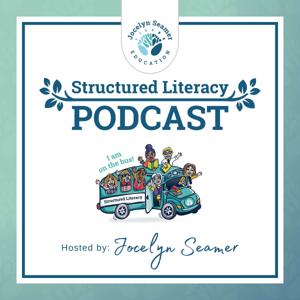

Have you ever wondered if the ticking of a timer could transform reading fluency in young learners? Join us on this episode of the Structured Literacy Podcast as we untangle the complexities of using timed reading in primary education. I recount my journey from initial skepticism to embracing a more nuanced understanding of this technique. We delve into the intricate components of fluency—accuracy, automaticity, and prosody—and discuss how these elements interconnect rather than stand alone. Using a blend of research, teacher wisdom, and student insights, we aim to shed light on the absence of specific studies either advocating for or opposing the use of timers in classrooms, sparking a conversation on the thoughtful application tailored to each child's needs.
We question the blanket use of timed readings and instead propose personalized strategies that focus on familiar texts and adult guidance to ensure comprehension and accuracy. Rushing to meet time constraints can backfire, especially for those with reading difficulties or anxiety. We emphasize the importance of wide reading and phonics over the disruptive potential of timers and partner reading. Our discussion underscores the importance of context-specific research applications and a commitment to growing our instructional approaches. Let's embrace evidence-informed teaching with an open mind and a dedication to fostering a supportive learning environment.
Has something in this episode resonated with you? Get in touch!
We have released Spelling Success in Action 1, a catch-up program for phonics, early morphology, and orthographic conventions for years 3 to 8. This program can be used one-on-one, in small groups, or as a whole class and is built on what the evidence tells us is the critical knowledge students need for strong spelling and the type of instruction that makes learning stick.
Learn more about this resource and order your copy at www.jocelynseamereducation.com
Quick Links
Jocelyn Seamer Education Homepage
The Resource Room
Youtube channel
Facebook Page
#jocelynseamereducation #literacy #bestpractice #earlyprimaryyears #primaryschool #primaryschools #primaryschoolteacher #earlyyearseducation #earlyyearseducator #structuredliteracy #scienceofreading #classroom #learning #learningisfun #studentsuccess #studentsupport #teacherlife #theresourceroom #theevergreenteacher #upperprimary #upperprimaryteacher #thestructuredliteracypodcast #phoneme #grapheme #phonics #syntheticphonics
 View all episodes
 By Jocelyn Seamer

4.2
55 ratings
Have you ever wondered if the ticking of a timer could transform reading fluency in young learners? Join us on this episode of the Structured Literacy Podcast as we untangle the complexities of using timed reading in primary education. I recount my journey from initial skepticism to embracing a more nuanced understanding of this technique. We delve into the intricate components of fluency—accuracy, automaticity, and prosody—and discuss how these elements interconnect rather than stand alone. Using a blend of research, teacher wisdom, and student insights, we aim to shed light on the absence of specific studies either advocating for or opposing the use of timers in classrooms, sparking a conversation on the thoughtful application tailored to each child's needs.
We question the blanket use of timed readings and instead propose personalized strategies that focus on familiar texts and adult guidance to ensure comprehension and accuracy. Rushing to meet time constraints can backfire, especially for those with reading difficulties or anxiety. We emphasize the importance of wide reading and phonics over the disruptive potential of timers and partner reading. Our discussion underscores the importance of context-specific research applications and a commitment to growing our instructional approaches. Let's embrace evidence-informed teaching with an open mind and a dedication to fostering a supportive learning environment.
Has something in this episode resonated with you? Get in touch!
We have released Spelling Success in Action 1, a catch-up program for phonics, early morphology, and orthographic conventions for years 3 to 8. This program can be used one-on-one, in small groups, or as a whole class and is built on what the evidence tells us is the critical knowledge students need for strong spelling and the type of instruction that makes learning stick.
Learn more about this resource and order your copy at www.jocelynseamereducation.com
Quick Links
Jocelyn Seamer Education Homepage
The Resource Room
Youtube channel
Facebook Page
#jocelynseamereducation #literacy #bestpractice #earlyprimaryyears #primaryschool #primaryschools #primaryschoolteacher #earlyyearseducation #earlyyearseducator #structuredliteracy #scienceofreading #classroom #learning #learningisfun #studentsuccess #studentsupport #teacherlife #theresourceroom #theevergreenteacher #upperprimary #upperprimaryteacher #thestructuredliteracypodcast #phoneme #grapheme #phonics #syntheticphonics

628 Listeners
897 Listeners

661 Listeners

95 Listeners

107 Listeners

434 Listeners

145 Listeners
534 Listeners
390 Listeners
646 Listeners

42 Listeners

4 Listeners

100 Listeners

109 Listeners
10 Listeners