
Sign up to save your podcasts
Or


Send us Fan Mail
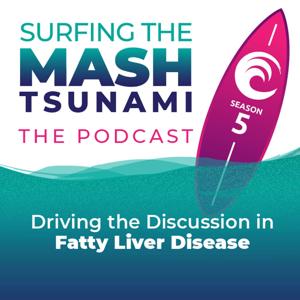
Surfing NASH is joined by Tim Jobson, Co-founder of Predictive Health Intelligence, to discuss a system by which historic blood test results are combined and analyzed to flag patients in need of intervention. This conversation begins with focus on the dual issues of patient data and proactivity. Roger Green states that “the careful and intelligent use of early data to empower patients to know when to ask about their own health” should yield a myriad of benefits. Louise Campbell agrees and comments on how patients feel when the system is proactively supporting them. Louise then asks what happens when the system produces an inaccurate diagnosis. Tim notes that this system provides data to clinics so that they can make the decisions. This minimizes the chance of systematic error and discourages autonomic reliance while still supporting patients in self-managing their health.
The conversation continues on the issue of patient data, concluding with Roger’s observation that the passionate belief in protecting data is half-right. He reasons that patients (like all people) favor protected data against those who would take advantage of it. However, most are comfortable with affording accessibility to those who use their data to improve patients’ health and general life.
 View all episodes
 By SurfingNASH.com


3.9
2424 ratings
Send us Fan Mail
Surfing NASH is joined by Tim Jobson, Co-founder of Predictive Health Intelligence, to discuss a system by which historic blood test results are combined and analyzed to flag patients in need of intervention. This conversation begins with focus on the dual issues of patient data and proactivity. Roger Green states that “the careful and intelligent use of early data to empower patients to know when to ask about their own health” should yield a myriad of benefits. Louise Campbell agrees and comments on how patients feel when the system is proactively supporting them. Louise then asks what happens when the system produces an inaccurate diagnosis. Tim notes that this system provides data to clinics so that they can make the decisions. This minimizes the chance of systematic error and discourages autonomic reliance while still supporting patients in self-managing their health.
The conversation continues on the issue of patient data, concluding with Roger’s observation that the passionate belief in protecting data is half-right. He reasons that patients (like all people) favor protected data against those who would take advantage of it. However, most are comfortable with affording accessibility to those who use their data to improve patients’ health and general life.

32,092 Listeners

30,714 Listeners

9,645 Listeners
105 Listeners

21,156 Listeners

3,368 Listeners

112,220 Listeners

56,587 Listeners

9,527 Listeners
8,032 Listeners

10,183 Listeners

6,410 Listeners

0 Listeners

428 Listeners

753 Listeners