
Sign up to save your podcasts
Or

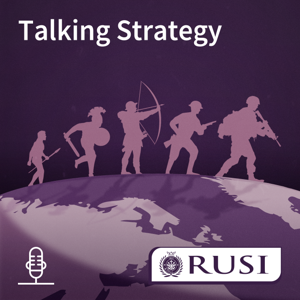

Britain was not ready for the First World War but some key, if embryonic, plans and capabilities proved vital. Sir Hew Strachan discusses the lessons for today.
With concerns rising about how ready Western nations are for the risk of war in Europe, we discuss the lessons from Britain's preparation for The Great War. And while preparation is important, not all actions to prepare are equally important. In this case, Britain was not fully prepared but had taken some initial steps that were important in allowing the country to accelerate towards preparedness.
The crucial elements concerned the ability to engage society, coordinate across government and ensure a robust industrial base that supported the armed force that drew on the talent of regular and volunteer forces. As a result, Britain was better (although not perfectly) prepared for the Second World War. And large parts of Europe seem further away from readiness now, so the lessons are vitally important.
Joining us to discuss these lessons is Professor Sir Hew Strachan from the University of St Andrews. Described by Jonathan Boff as 'the most influential British historian of the First World War of his generation', Professor Strachan has published widely on the First World War and is a regular advisor to the British Government and Ministry of Defence, particularly in relation to reserve forces and veterans.
 View all episodes
 By Royal United Services Institute
5
2424 ratings
Britain was not ready for the First World War but some key, if embryonic, plans and capabilities proved vital. Sir Hew Strachan discusses the lessons for today.
With concerns rising about how ready Western nations are for the risk of war in Europe, we discuss the lessons from Britain's preparation for The Great War. And while preparation is important, not all actions to prepare are equally important. In this case, Britain was not fully prepared but had taken some initial steps that were important in allowing the country to accelerate towards preparedness.
The crucial elements concerned the ability to engage society, coordinate across government and ensure a robust industrial base that supported the armed force that drew on the talent of regular and volunteer forces. As a result, Britain was better (although not perfectly) prepared for the Second World War. And large parts of Europe seem further away from readiness now, so the lessons are vitally important.
Joining us to discuss these lessons is Professor Sir Hew Strachan from the University of St Andrews. Described by Jonathan Boff as 'the most influential British historian of the First World War of his generation', Professor Strachan has published widely on the First World War and is a regular advisor to the British Government and Ministry of Defence, particularly in relation to reserve forces and veterans.
1,064 Listeners
145 Listeners
776 Listeners

425 Listeners
110 Listeners

21 Listeners
373 Listeners
406 Listeners
22 Listeners
497 Listeners
496 Listeners

1,887 Listeners
339 Listeners
469 Listeners
267 Listeners