We're often told raising animals for food takes a devastating toll on the environment, consuming ever more natural resources, hastening climate change and turning increasing amounts of land around the world into desert. According to the filmmakers behind the blockbuster documentary Cowspiracy:
Many organizations are studying humanity’s effect on soil degradation, erosion, and eventual desertification but not willing to emphasize the final connection of dots to animal agriculture. According to the UNCCD (United Nations Convention to Combat Desertification), nearly 20 million acres of arable land is lost each year
Among the primary causes, the filmmakers claim, are "deforestation due to cultivation of crops and pasture" and overgrazing from livestock (“eating away grasses and eroding topsoil with hooves”).
This is a compelling, even horrifying, story. But according to food and agriculture analysts at the Breakthrough Institute, the situation may not be so bleak. As animal agriculture grows more intensive, the amount of land it requires shrinks—as does its overall environmental impact. In a June report titled Achieving Peak Pasture: Shrinking Pasture's Footprint by Spreading the Livestock Revolution, Breakthrough scholars Dan Rejto, Linus Blomqvist and James McNamara lay out their counterintuitive argument:
In the past 20 years .... something remarkable has occurred, something that few predicted: global pasture has begun to decline. According to data from the Food and Agriculture Organization of the United Nations, there are 140 million fewer hectares of pasture today than there were in 2000, an area roughly the size of Peru.
Dan Rejto
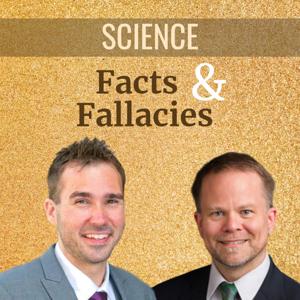
Going back to the 1700s, global pasture expansion for animal agriculture yielded "severe environmental consequences," Rejto explains on this episode of Biotech Facts and Fallacies. But a combination of better feed, optimized breeds, and improved animal health has dramatically boosted meat and milk production in the developed world, ushering in a "livestock revolution."
While this is a development worth celebrating, we still have a ways to go, Rejto says. The key to advancing this downward trend in land use is to spread these sustainable practices to the developing world, especially sub-Saharan Africa.
Rejto also addresses important developments including CRISPR gene editing, the plant-based GMO Impossible burger and social movements to cut animal consumption and food waste.
Dan Blaustein-Rejto is a Senior Food and Agriculture Analyst at Breakthrough. Follow him on Twitter @danrejto
Cameron J. English is the GLP’s senior agricultural genetics and special projects editor. He co-hosts the Biotech Facts and Fallacies podcast. Follow him on Twitter @camjenglish