
Sign up to save your podcasts
Or

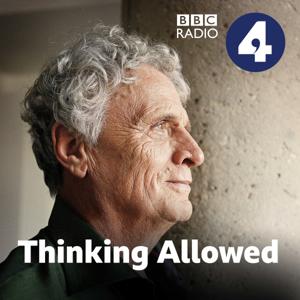

Sexual violence in the Bangladeshi War of Independence. Laurie Taylor talks to Nayanika Mookherjee, Reader in Socio-Cultural Anthropology at Durham University, about the internationally unprecedented state designation of raped women as birangonas (brave women) in 1971. Her groundbreaking study was shortlisted for the 2016 BSA/Thinking Allowed Ethnography Award. She analysed the pubic memory or wartime rape perpetrated by the West Pakistani army and local Bengali men in East Pakistan (now Bangladesh) during that conflict. This national commemoration of the women's suffering counters the assumption of silence and shame amongst victims of rape in war. But what did it mean to the women themselves? Has their elevation to the status of heroines ensured their integration into their communities and acceptance by their menfolk?
Also, Ruben Andersson, Associate Professor at Oxford University's Department of International Development, discusses the expansion of 'no go' areas of the world since 9/11. He argues that alleged regions of 'risk' are seen as posing a particular danger to Western states and citizens. How can ethnographers who, by definition, do not wish to observe from a distance, address this challenge to their research? Professor Andersson was the winner of the 2015 Ethnography Award for his study of clandestine migration on the borders of Europe.
Producer: Jayne Egerton.
 View all episodes
 By BBC Radio 4

4.5
294294 ratings
Sexual violence in the Bangladeshi War of Independence. Laurie Taylor talks to Nayanika Mookherjee, Reader in Socio-Cultural Anthropology at Durham University, about the internationally unprecedented state designation of raped women as birangonas (brave women) in 1971. Her groundbreaking study was shortlisted for the 2016 BSA/Thinking Allowed Ethnography Award. She analysed the pubic memory or wartime rape perpetrated by the West Pakistani army and local Bengali men in East Pakistan (now Bangladesh) during that conflict. This national commemoration of the women's suffering counters the assumption of silence and shame amongst victims of rape in war. But what did it mean to the women themselves? Has their elevation to the status of heroines ensured their integration into their communities and acceptance by their menfolk?
Also, Ruben Andersson, Associate Professor at Oxford University's Department of International Development, discusses the expansion of 'no go' areas of the world since 9/11. He argues that alleged regions of 'risk' are seen as posing a particular danger to Western states and citizens. How can ethnographers who, by definition, do not wish to observe from a distance, address this challenge to their research? Professor Andersson was the winner of the 2015 Ethnography Award for his study of clandestine migration on the borders of Europe.
Producer: Jayne Egerton.

7,669 Listeners
377 Listeners

891 Listeners

1,062 Listeners

5,475 Listeners

1,801 Listeners
1,881 Listeners
867 Listeners
735 Listeners

302 Listeners

1,761 Listeners

1,054 Listeners

2,108 Listeners

2,080 Listeners

477 Listeners

404 Listeners

69 Listeners

853 Listeners

161 Listeners

67 Listeners

76 Listeners

3,204 Listeners

730 Listeners
1,034 Listeners