
Sign up to save your podcasts
Or

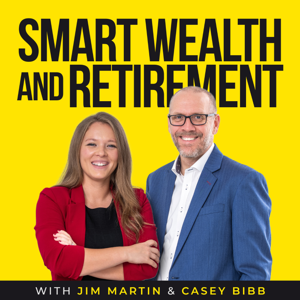


If you're between ages 60 and 63 in 2026, you may have an opportunity to put significantly more money into your workplace retirement plan before the end of the year. The new super catch-up contribution rules can apply to 401(k)s, 403(b)s, governmental 457 plans, and the TSP, creating an important planning opportunity for people approaching retirement.
Jim and Casey also explain why this shouldn't be treated as an isolated savings decision. Before increasing contributions, retirees and pre-retirees should consider their cash reserves, debt, upcoming expenses, retirement date, tax strategy, and overall income plan. Maxing out every available retirement contribution can be valuable, but not when doing so leaves everyday cash flow stretched too thin.
02:00 — How Much Can You Contribute in 2026?
06:00 — Which Retirement Plans May Qualify?
07:00 — Questions to Ask Your HR Department
08:00 — The Roth Catch-Up Rule for Higher Earners
10:00 — Pre-Tax vs. Roth Contributions
15:00 — Mistake #2: Thinking "Catch-Up" Means You're Behind
20:00 — What Should You Do First?
If you're approaching retirement and want to determine how the 2026 super catch-up rules fit into your broader retirement strategy, connect with Jim Martin and Casey Bibb at martinwealth.com.
In this episode of Smart Wealth and Retirement, financial planners Jim Martin and Casey Bibb break down six classic pre-retirement mistakes and explain how better coordination between investments, Social Security, taxes, healthcare, and retirement income can help create a more confident transition into retirement.
One of the biggest changes approaching retirement is recognizing that a portfolio has a different job than it did during the accumulation years. Growth still matters, but so do income, liquidity, risk management, and the ability to withstand market downturns without disrupting the retirement plan.
00:00 — Six Classic Pre-Retirement Mistakes
If you're approaching retirement and want help coordinating your investments, income, taxes, Social Security, and retirement strategy, connect with Jim Martin and Casey Bibb at martinwealth.com
Jim and Casey walk through the common questions, mistakes and things to consider when it comes to rolling over a 401(k). They explain some of the potential advantages and disadvantages of each choice, including investment options, fees, taxes, access to funds, and long-term retirement planning considerations.
Rather than assuming a rollover is always the right answer, this episode helps listeners understand the questions they should ask before making a decision with retirement savings they may have spent decades building.
http://retirewithmartin.com/ ← Learn about working with us
www.planwellretirehappy.com
00:00 Introduction: What should you do with an old 401(k)?
Opinions expressed herein are solely those of Martin Wealth Solutions, unless otherwise specifically cited. Material presented is believed to be from reliable sources, but no representations are made by our firm as to another parties' informational accuracy or completeness. Content provided herein is for informational purposes only and should not be used or construed as investment advice or a recommendation regarding the purchase or sale of any security. There is no guarantee that any statements, opinions or forecasts provided herein will prove to be correct. All information or ideas provided should be discussed in detail with an advisor, accountant or legal counsel prior to implementation. Past performance may not be indicative of future results. Indices are not available for direct investment. Any investor who attempts to mimic the performance of an index would incur fees and expenses which would reduce returns. Securities investing involves risk, including the potential for loss of principal. There is no assurance that any investment plan or strategy will be successful.
In this episode of the Smart Wealth & Retirement Podcast, financial advisors and retirement planners Jim Martin & Casey Bibb of Martin Wealth Solutions discuss an important decision many people face after leaving a job or approaching retirement: what should you do with an old 401(k)?
Jim and Casey walk through the common questions, mistakes and things to consider when it comes to rolling over a 401(k). They explain some of the potential advantages and disadvantages of each choice, including investment options, fees, taxes, access to funds, and long-term retirement planning considerations.
Rather than assuming a rollover is always the right answer, this episode helps listeners understand the questions they should ask before making a decision with retirement savings they may have spent decades building.
http://retirewithmartin.com/ ← Learn about working with us
www.planwellretirehappy.com
00:00 Introduction: What should you do with an old 401(k)?
Opinions expressed herein are solely those of Martin Wealth Solutions, unless otherwise specifically cited. Material presented is believed to be from reliable sources, but no representations are made by our firm as to another parties' informational accuracy or completeness. Content provided herein is for informational purposes only and should not be used or construed as investment advice or a recommendation regarding the purchase or sale of any security. There is no guarantee that any statements, opinions or forecasts provided herein will prove to be correct. All information or ideas provided should be discussed in detail with an advisor, accountant or legal counsel prior to implementation. Past performance may not be indicative of future results. Indices are not available for direct investment. Any investor who attempts to mimic the performance of an index would incur fees and expenses which would reduce returns. Securities investing involves risk, including the potential for loss of principal. There is no assurance that any investment plan or strategy will be successful.
In this episode of the Smart Wealth & Retirement Podcast, financial advisors and retirement planners Jim Martin & Casey Bibb of Martin Wealth Solutions discuss one of today's fastest-growing technologies: artificial intelligence (AI) and what it could mean for your financial future.
Jim and Casey explore how AI is changing the financial industry, from investment research and financial planning tools to fraud detection and client service. They also discuss the limitations of AI, why human judgment remains essential in retirement planning, and how investors should think about AI-driven advice versus personalized financial guidance.
Whether you're curious about using AI yourself or wondering how it's reshaping the financial world, this episode provides a balanced look at the opportunities, risks, and practical implications for retirees and pre-retirees.
http://retirewithmartin.com/ ← Learn about working with us
www.planwellretirehappy.com
00:00 Introduction to today's topic
Opinions expressed herein are solely those of Martin Wealth Solutions, unless otherwise specifically cited. Material presented is believed to be from reliable sources, but no representations are made by our firm as to another parties' informational accuracy or completeness. Content provided herein is for informational purposes only and should not be used or construed as investment advice or a recommendation regarding the purchase or sale of any security. There is no guarantee that any statements, opinions or forecasts provided herein will prove to be correct. All information or ideas provided should be discussed in detail with an advisor, accountant or legal counsel prior to implementation. Past performance may not be indicative of future results. Indices are not available for direct investment. Any investor who attempts to mimic the performance of an index would incur fees and expenses which would reduce returns. Securities investing involves risk, including the potential for loss of principal. There is no assurance that any investment plan or strategy will be successful.
In this episode of the Smart Wealth & Retirement Podcast, financial advisors and retirement planners Jim Martin & Casey Bibb of Martin Wealth Solutions discuss seven of the biggest mistakes people make when choosing a financial advisor.
Jim and Casey explain why selecting the right advisor is about much more than investment performance. They cover common pitfalls like focusing solely on fees, failing to understand fiduciary responsibility, overlooking communication style, and not asking the right questions before making a decision. They also discuss the importance of finding an advisor whose planning philosophy aligns with your goals and values.
Whether you're hiring your first advisor or considering a second opinion, this episode provides practical guidance to help you make a confident and informed decision.
http://retirewithmartin.com/ ← Learn about working with us
www.planwellretirehappy.com
00:00 Introduction to today's episode
Opinions expressed herein are solely those of Martin Wealth Solutions, unless otherwise specifically cited. Material presented is believed to be from reliable sources, but no representations are made by our firm as to another parties' informational accuracy or completeness. Content provided herein is for informational purposes only and should not be used or construed as investment advice or a recommendation regarding the purchase or sale of any security. There is no guarantee that any statements, opinions or forecasts provided herein will prove to be correct. All information or ideas provided herein should be discussed in detail with an advisor, accountant or legal counsel prior to implementation. Past performance may not be indicative of future results. Indices are not available for direct investment. Any investor who attempts to mimic the performance of an index would incur fees and expenses which would reduce returns. Securities investing involves risk, including the potential for loss of principal. There is no assurance that any investment plan or strategy will be successful.
In this episode of the Smart Wealth & Retirement Podcast, financial advisors and retirement planners Jim Martin & Casey Bibb of Martin Wealth Solutions discuss five essential areas every retiree should evaluate before leaving the workforce.
Jim and Casey explain that retirement readiness isn't determined by a single account balance—it's about having a comprehensive plan. They walk through the key building blocks of a successful retirement, including income planning, healthcare, taxes, investments, and estate planning. Along the way, they share practical insights to help listeners identify gaps in their current strategy and feel more confident about their future.
Whether retirement is just around the corner or still several years away, this episode provides a practical checklist to help ensure you're prepared for the transition.
http://retirewithmartin.com/ ← Learn about working with us
www.planwellretirehappy.com
00:00 Introduction to today's episode
Opinions expressed herein are solely those of Martin Wealth Solutions, unless otherwise specifically cited. Material presented is believed to be from reliable sources, but no representations are made by our firm as to another parties' informational accuracy or completeness. Content provided herein is for informational purposes only and should not be used or construed as investment advice or a recommendation regarding the purchase or sale of any security. There is no guarantee that any statements, opinions or forecasts provided herein will prove to be correct. All information or ideas provided should be discussed in detail with an advisor, accountant or legal counsel prior to implementation. Past performance may not be indicative of future results. Indices are not available for direct investment. Any investor who attempts to mimic the performance of an index would incur fees and expenses which would reduce returns. Securities investing involves risk, including the potential for loss of principal. There is no assurance that any investment plan or strategy will be successful.
In this episode of the Smart Wealth & Retirement Podcast, financial advisors and retirement planners Jim Martin & Casey Bibb of Martin Wealth Solutions discuss one of the most overlooked tax strategies available to retirees: Qualified Charitable Distributions (QCDs).
Jim and Casey explain how QCDs allow individuals to give directly from an IRA to qualified charities while potentially reducing taxable income. They walk through who can use this strategy, how it interacts with Required Minimum Distributions (RMDs), and why it can be especially valuable for charitably inclined retirees.
The conversation highlights the tax advantages of QCDs, common mistakes to avoid, and how this strategy may fit into a broader retirement income and tax plan.
http://retirewithmartin.com/ ← Learn about working with us
www.planwellretirehappy.com
00:00 Introduction to today's topic
Opinions expressed herein are solely those of Martin Wealth Solutions, unless otherwise specifically cited. Material presented is believed to be from reliable sources, but no representations are made by our firm as to another parties’ informational accuracy or completeness. Content provided herein is for informational purposes only and should not be used or construed as investment advice or a recommendation regarding the purchase or sale of any security. There is no guarantee that any statements, opinions or forecasts provided herein will prove to be correct. All information or ideas provided should be discussed in detail with an advisor, accountant or legal counsel prior to implementation. Past performance may not be indicative of future results. Indices are not available for direct investment. Any investor who attempts to mimic the performance of an index would incur fees and expenses which would reduce returns. Securities investing involves risk, including the potential for loss of principal. There is no assurance that any investment plan or strategy will be successful.
In this episode of the Smart Wealth & Retirement Podcast, financial advisors and retirement planners Jim Martin & Casey Bibb of Martin Wealth Solutions discuss how seemingly small spending habits can quietly undermine long-term financial goals.
Jim and Casey explain that successful retirement planning isn't always about earning more—it’s often about being intentional with the money you already have. They explore common areas where people unknowingly waste money, how recurring expenses can compound over time, and why paying attention to cash flow can have a meaningful impact on retirement readiness.
The conversation focuses on practical ways to identify financial leaks, prioritize spending, and make smarter decisions that align with long-term retirement goals without sacrificing the lifestyle you enjoy.
http://retirewithmartin.com/ ← Learn about working with us
www.planwellretirehappy.com
00:00 Introduction to today's topic
Opinions expressed herein are solely those of Martin Wealth Solutions, unless otherwise specifically cited. Material presented is believed to be from reliable sources, but no representations are made by our firm as to another parties’ informational accuracy or completeness. Content provided herein is for informational purposes only and should not be used or construed as investment advice or a recommendation regarding the purchase or sale of any security. There is no guarantee that any statements, opinions or forecasts provided herein will prove to be correct. All information or ideas provided should be discussed in detail with an advisor, accountant or legal counsel prior to implementation. Past performance may not be indicative of future results. Indices are not available for direct investment. Any investor who attempts to mimic the performance of an index would incur fees and expenses which would reduce returns. Securities investing involves risk, including the potential for loss of principal. There is no assurance that any investment plan or strategy will be successful.
In this episode of the Smart Wealth & Retirement Podcast, financial advisors and retirement planners Jim Martin & Casey Bibb of Martin Wealth Solutions discuss a surprising reality many retirees and pre-retirees face: having a substantial nest egg but still not feeling financially secure.
Jim and Casey explore why reaching a milestone like $2 million in savings doesn't automatically create confidence or peace of mind. They discuss the psychological side of wealth, concerns about inflation, healthcare costs, longevity, market volatility, and the fear of running out of money. They also explain why focusing solely on an account balance can be misleading and why understanding retirement income may be more important than the size of your portfolio.
This episode offers practical insights for anyone wondering whether they've saved enough and how to shift their focus from wealth accumulation to retirement confidence.
http://retirewithmartin.com/ ← Learn about working with us
www.planwellretirehappy.com
00:00 Introduction to today's topic
Opinions expressed herein are solely those of Martin Wealth Solutions, unless otherwise specifically cited. Material presented is believed to be from reliable sources, but no representations are made by our firm as to another parties’ informational accuracy or completeness. Content provided herein is for informational purposes only and should not be used or construed as investment advice or a recommendation regarding the purchase or sale of any security. There is no guarantee that any statements, opinions or forecasts provided herein will prove to be correct. All information or ideas provided should be discussed in detail with an advisor, accountant or legal counsel prior to implementation. Past performance may not be indicative of future results. Indices are not available for direct investment. Any investor who attempts to mimic the performance of an index would incur fees and expenses which would reduce returns. Securities investing involves risk, including the potential for loss of principal. There is no assurance that any investment plan or strategy will be successful.
In this episode of the Smart Wealth & Retirement Podcast, financial advisors and retirement planners Jim Martin & Casey Bibb of Martin Wealth Solutions continue their discussion on the financial and retirement planning challenges that can arise following a cancer diagnosis.
Jim and Casey explore how a major health event can affect retirement timelines, income needs, healthcare costs, and long-term financial security. They discuss the importance of preparing for unexpected medical expenses, coordinating insurance coverage, and maintaining flexibility within a retirement plan. They also highlight practical steps families can take to reduce financial stress during difficult times and ensure important planning decisions aren't overlooked.
This episode provides valuable insight for retirees, caregivers, and anyone looking to build a retirement plan that can withstand life's unexpected challenges.
http://retirewithmartin.com/ ← Learn about working with us
www.planwellretirehappy.com
00:00 Introduction and recap from Part 1
Opinions expressed herein are solely those of Martin Wealth Solutions, unless otherwise specifically cited. Material presented is believed to be from reliable sources, but no representations are made by our firm as to another parties’ informational accuracy or completeness. Content provided herein is for informational purposes only and should not be used or construed as investment advice or a recommendation regarding the purchase or sale of any security. There is no guarantee that any statements, opinions or forecasts provided herein will prove to be correct. All information or ideas provided should be discussed in detail with an advisor, accountant or legal counsel prior to implementation. Past performance may not be indicative of future results. Indices are not available for direct investment. Any investor who attempts to mimic the performance of an index would incur fees and expenses which would reduce returns. Securities investing involves risk, including the potential for loss of principal. There is no assurance that any investment plan or strategy will be successful.
From the publisher's feed

450 Listeners

799 Listeners
1,315 Listeners

455 Listeners
543 Listeners
753 Listeners

550 Listeners

692 Listeners
192 Listeners

830 Listeners
197 Listeners
35 Listeners

595 Listeners

1,074 Listeners

102 Listeners