
Sign up to save your podcasts
Or

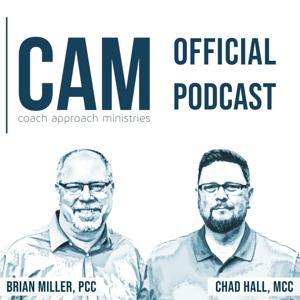

In this reflective and candid conversation, Brian Miller sits down with Angie Ward, Director of the Doctor of Ministry Program at Denver Seminary, to explore what it means to lead from gravitas rather than persona.
Angie shares why she shifted her writing voice toward deeper transparency in her Substack, The Contemplative Leader, and how embracing her full story—including mistakes, introversion, perfectionism, and even complex PTSD—has strengthened rather than weakened her leadership.
This episode explores substantial leadership, contemplative presence, authenticity in a performative culture, and why becoming a better person may be the most important credential a coach can earn.
Key Themes & Takeaways 1. From Content to ContemplationAngie reflects on her evolution as a writer and leader. Early on, she felt pressure to produce "content-heavy," didactic leadership writing. Over time, she realized people are far less interested in polished expertise and far more drawn to authentic reflection.
Her shift:
Writing pastorally instead of performatively
Sharing lessons learned from real mistakes
Letting her voice emerge from who she is, not just what she knows
Leadership influence flows from identity, not information.
2. The "Gravitas Era"Angie describes entering what she calls her gravitas era—a season of leadership marked by weight, depth, and grounded presence.
Gravitas, in her words, isn't about dominance. It's about:
Emotional and spiritual substance
Measured speech
Deep listening
Carrying responsibility without needing applause
As leaders mature, their authority shifts from "listen to me" to "there's something steady here."
3. Substantial vs. Performative LeadershipBrian references The Great Divorce, noting Lewis' imagery of heaven as a place of increasing substance.
The connection? True leadership is about becoming substantial—grounded, present, integrated.
Substance does not happen automatically with age. It comes through:
Reflection
Excavation
Honest self-examination
Courage to confront woundedness
Experience ≠ maturity. Integration = maturity.
4. Redefining PerfectionAs a self-described recovering perfectionist, Angie reframes perfection not as flawlessness, but as being perfectly present.
This includes:
Showing up fully
Owning mistakes (like spilling communion in front of a church)
Admitting introversion and the need to recharge
Naming mental health realities
The paradox: The more substantial you become, the freer you are with your flaws.
5. Persona vs. PresenceAngie pushes back against the "leader mystique" culture—the polished bio, the highlight reel, the curated persona.
She reminds listeners:
Your bio hides the rhinestone-gluing nights in Indiana.
Authority grows from stewarded wounds.
People are starving for leaders who feel real.
Authenticity cannot be manufactured through tactics. It emerges from integration.
6. Coaching and Becoming a Better PersonBrian observes something many coaches discover:
To earn a credential like PCC, you don't just learn techniques—you become more aware, more grounded, more emotionally integrated.
You cannot ask powerful questions from the outside. You must do the work internally.
Substantial leaders ask substantial questions.
Memorable Quotes"We lead out of who we are, not just what we do."
"I feel like I'm entering my gravitas era."
"Experience does not equal maturity."
"The more substantial you are, the more free you are with your flaws."
"I've had to redefine perfect as perfectly present."
Angie's Substack: The Contemplative Leader
Angie's website: angiewardphd.com
The Great Divorce by C. S. Lewis
Coaches seeking deeper integration, not just sharper tools
Leaders tired of persona-driven leadership culture
Christian leaders wrestling with authenticity and authority
Anyone who senses they're entering a new season of gravitas
Where might you be leading from persona rather than presence?
What wounds or experiences have shaped your gravitas?
How would your leadership change if perfection meant "fully present"?
What would it look like to steward your voice instead of perform it?
 View all episodes
 By Coach Approach Ministries

4.9
3232 ratings
In this reflective and candid conversation, Brian Miller sits down with Angie Ward, Director of the Doctor of Ministry Program at Denver Seminary, to explore what it means to lead from gravitas rather than persona.
Angie shares why she shifted her writing voice toward deeper transparency in her Substack, The Contemplative Leader, and how embracing her full story—including mistakes, introversion, perfectionism, and even complex PTSD—has strengthened rather than weakened her leadership.
This episode explores substantial leadership, contemplative presence, authenticity in a performative culture, and why becoming a better person may be the most important credential a coach can earn.
Key Themes & Takeaways 1. From Content to ContemplationAngie reflects on her evolution as a writer and leader. Early on, she felt pressure to produce "content-heavy," didactic leadership writing. Over time, she realized people are far less interested in polished expertise and far more drawn to authentic reflection.
Her shift:
Writing pastorally instead of performatively
Sharing lessons learned from real mistakes
Letting her voice emerge from who she is, not just what she knows
Leadership influence flows from identity, not information.
2. The "Gravitas Era"Angie describes entering what she calls her gravitas era—a season of leadership marked by weight, depth, and grounded presence.
Gravitas, in her words, isn't about dominance. It's about:
Emotional and spiritual substance
Measured speech
Deep listening
Carrying responsibility without needing applause
As leaders mature, their authority shifts from "listen to me" to "there's something steady here."
3. Substantial vs. Performative LeadershipBrian references The Great Divorce, noting Lewis' imagery of heaven as a place of increasing substance.
The connection? True leadership is about becoming substantial—grounded, present, integrated.
Substance does not happen automatically with age. It comes through:
Reflection
Excavation
Honest self-examination
Courage to confront woundedness
Experience ≠ maturity. Integration = maturity.
4. Redefining PerfectionAs a self-described recovering perfectionist, Angie reframes perfection not as flawlessness, but as being perfectly present.
This includes:
Showing up fully
Owning mistakes (like spilling communion in front of a church)
Admitting introversion and the need to recharge
Naming mental health realities
The paradox: The more substantial you become, the freer you are with your flaws.
5. Persona vs. PresenceAngie pushes back against the "leader mystique" culture—the polished bio, the highlight reel, the curated persona.
She reminds listeners:
Your bio hides the rhinestone-gluing nights in Indiana.
Authority grows from stewarded wounds.
People are starving for leaders who feel real.
Authenticity cannot be manufactured through tactics. It emerges from integration.
6. Coaching and Becoming a Better PersonBrian observes something many coaches discover:
To earn a credential like PCC, you don't just learn techniques—you become more aware, more grounded, more emotionally integrated.
You cannot ask powerful questions from the outside. You must do the work internally.
Substantial leaders ask substantial questions.
Memorable Quotes"We lead out of who we are, not just what we do."
"I feel like I'm entering my gravitas era."
"Experience does not equal maturity."
"The more substantial you are, the more free you are with your flaws."
"I've had to redefine perfect as perfectly present."
Angie's Substack: The Contemplative Leader
Angie's website: angiewardphd.com
The Great Divorce by C. S. Lewis
Coaches seeking deeper integration, not just sharper tools
Leaders tired of persona-driven leadership culture
Christian leaders wrestling with authenticity and authority
Anyone who senses they're entering a new season of gravitas
Where might you be leading from persona rather than presence?
What wounds or experiences have shaped your gravitas?
How would your leadership change if perfection meant "fully present"?
What would it look like to steward your voice instead of perform it?

16,086 Listeners
8,698 Listeners
10,788 Listeners
2,287 Listeners
41,393 Listeners

3,108 Listeners

675 Listeners

204 Listeners
7,188 Listeners
1,433 Listeners
1,131 Listeners
678 Listeners
368 Listeners
372 Listeners
761 Listeners