
Sign up to save your podcasts
Or

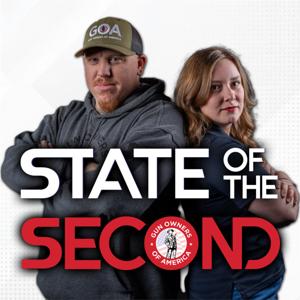


Jared from Guns & Gadgets joins John and Kaylee on State of the Second to trace how a part-time YouTube hobby became one of the first full-time Second Amendment news channels. He grew up poor in a housing project, spent 24 years in law enforcement including a stint as a cop in New Orleans, and started filming holster reviews on an iPhone 4S while recovering from shoulder surgery. When Massachusetts Attorney General Maura Healey reinterpreted the state's assault weapons ban in 2016, his law and political videos drew ten times the views of anything else he had made. That demand, plus a network of contacts in government who feed him information, turned the channel into a near-daily operation built on getting people accurate news whether it's good, bad, ugly, or indifferent.
Most of the conversation is a practical guide to activism. Jared and Kaylee make the case that public comment periods actually work, pointing to the Green Tip ammo ban and the Congressional Review Act vote on pistol braces as wins driven by individual gun owners. They explain why a personal, one or two line comment carries far more weight than a mass-submitted form letter, and why showing up to office hours, lobby days, and local events beats sending an email alone. The throughline is responsibility: a gun rights activist takes personal responsibility not only in the use of their firearms but in the defense of their right to own them, and the people, not the lobby, are the ones who fix things.
They cover the broader fight too: state-level red flag pushes, ATF redefinitions, social media pages getting taken down with no explanation, and the slow pace of a system the founders deliberately built to move slowly. Kaylee argues the deepest battle is over language itself, with the anti-gun side redefining rights as government-granted privileges, which is why education at the dinner table and on college campuses matters. The episode closes on GOALS, the Gun Owners Advocacy and Leadership Summit coming to the Knoxville area in August, where Jared will speak on the main stage and on panels, and a plug for Blackout Coffee's No Compromise blend, which donates two dollars per product to GOA.
Jared started filming holster reviews on an iPhone 4S while recovering from shoulder surgery. When Massachusetts reinterpreted its assault weapons ban in 2016, his law and political videos drew ten times the views of anything else, and that demand turned the channel into a near-daily news operation.
Yes. Jared points to the Green Tip ammo ban and the Congressional Review Act vote on pistol braces as wins driven by individual gun owners submitting comments during the public comment periods.
Show up in person. Jared argues that attending office hours, lobby days, and local events carries more weight than sending an email alone, since representatives are employees the people can hold accountable directly.
A short, personal comment of one or two lines reads as a real individual voice, while hundreds of thousands of copies of the identical form letter mostly signal that people are upset rather than adding distinct weight to the record.
Jared cites it as evidence that public pressure works. He credits the Congressional Review Act vote on the pistol brace rule as a win driven by individual gun owners engaging the process rather than leaving the fight to a lobby.
As Kaylee frames it, a gun rights activist takes personal responsibility not only in the use of their firearms but in the defense of their right to own them, which is why the people, not the lobby, are the ones who fix things.
She argues the anti-gun side is redefining rights as government-granted privileges, trying to turn citizens into subjects, which is why education at the dinner table and on college campuses matters.
GOALS is the Gun Owners Action Leadership Summit, a Gun Owners of America event coming to the Knoxville area in August where Jared will speak on the main stage and on panels.
Jared runs Guns & Gadgets, where he covers Second Amendment news and tries to educate people on their rights whether it's good, bad, ugly, or indifferent. He grew up poor in a housing project, which drove him into law enforcement, and worked as a police officer for 24 years, starting in 1997, including time as a cop in New Orleans. He started his channel while recovering from shoulder surgery, filming an early holster review on an iPhone 4S held by his oldest son. He previously lived in Massachusetts and now lives in Tennessee, having moved about a year before this recording. He is also one of the owners of Blackout Coffee, which sells a No Compromise blend that donates two dollars per product to Gun Owners of America. He tries to publish two videos a day. [VERIFY guest full name]
Gun Owners of America's State of the Second sits down in a cabin in East Tennessee, looking out at the Great Smoky Mountains, with firearms YouTuber Johnny B of 180SecondIdeas, the creator behind the Drama Llama and Spicy Friday bits. Hosts Kaylee and John trace his path from a terrible 2016 holster review shot on a laptop camera to a full-time presence in the 2A space, then dig into why the gun community is so quick to fight over the small stuff. Johnny's read: we treat brands, politicians, and creators like rival sports teams, when we agree on far more than we disagree on. He argues there are a handful of things where there's no compromise, the Second Amendment chief among them, and a lot of gray everywhere else where it should be okay to disagree and still grab a beer afterward.
The middle of the episode turns into a frank conversation about attention and how the industry markets itself. Johnny, who works with high school seniors and college students, talks about how rapidly the human brain has changed around dopamine, short video, and instant gratification, and why one of the main firearms companies still pours the majority of its marketing into paper magazines at Walgreens while new-media creators pull bigger numbers than legacy outlets like CNN. The hosts and Johnny call out the divide between companies that get new media and companies that don't, and the snobbery that treats YouTubers as not real media. They tie it back to GOA's challenge: the wheels of justice turn slowly in an era built for the next swipe, so the work is long-term while the audience wants it now.
The back half gets into money and access. With NICS numbers back at 2017 levels and the average sale price of a gun dropping from roughly $700 to under $400, Johnny and Kaylee push hard against looking down on budget firearms and the families saving $25 at a time to defend themselves. The takeaway is relationships over hardware. John and Johnny both describe stepping back from the grail guns at range days so first-timers can have the moment, and Kaylee calls taking a new shooter to the range her favorite thing they get to do. It closes on the upcoming GOALS convention in Knoxville, GOA turning 50, and a pitch for the in-person community that the digital world can't replicate.
Johnny B started in 2016 with a holster review filmed on a laptop camera that he calls terrible, then grew into a full-time presence in the 2A space. The Drama Llama character began as a one-off joke around 2018.
Johnny B's read is that gun owners treat brands, politicians, and creators like rival sports teams, even though the community agrees on far more than it disagrees on.
Johnny B argues there are a handful of things with no compromise, the Second Amendment chief among them, and a lot of gray area everywhere else where it should be fine to disagree and still grab a beer afterward.
The episode points out that one major firearms company still pours most of its marketing into paper magazines at Walgreens while new-media creators pull bigger numbers than legacy outlets like CNN. The hosts and Johnny B treat that as a real divide between companies that get new media and companies that don't.
Johnny B, who works with high school seniors and college students, describes how fast the brain has changed around dopamine, short video, and instant gratification. That clashes with Gun Owners of America's reality, where the work is long-term while the audience wants results now.
NICS numbers are back at 2017 levels and the average sale price of a gun has dropped from roughly $700 to under $400, which the hosts tie to a struggling economy and tighter budgets for buyers.
Johnny B and Kaylee argue against snobbery toward budget guns because many families are saving $25 at a time to defend themselves, and they say the focus should be relationships over hardware.
The episode closes on the upcoming Gun Owners Action Leadership Summit (GOALS) in Knoxville as Gun Owners of America turns 50, pitching the in-person community that the digital world can't replicate.
Johnny B is a firearms content creator known for the YouTube character the Drama Llama and his Spicy Friday bits, which poke fun at the petty drama in the gun community. He started his first video in 2016 with a holster review filmed on a laptop, and the Drama Llama began as a one-off joke around 2018. He turned 50 a couple of weeks before this recording. Outside of his channel he works with high school seniors and college students. He lives in East Tennessee near the Great Smoky Mountains. One of the primary sponsors of his channel is a boutique firearms brand. [VERIFY whether "180SecondIdeas" in the episode title is his channel name]
Dustin from Cole-TAC joins John and Kaylee on State of the Second to talk through a question the firearms industry keeps circling: does "Made in America" still matter when imported goods are cheaper and faster to get? Dustin started the company with his wife in their spare bedroom in New Hampshire in 2015, almost by accident. He bought a suppressor cover, destroyed it the first day out, and his wife, a sewing wizard, told him she could have made something so much better for less. His buddies at the shop where he worked, Ruger, saw the one he made and wanted their own, and a side hobby turned into a company. Nine years later Cole-TAC runs out of South Dakota with 29 employees and hundreds of products for civilians, law enforcement, and military.
The heart of the episode is what it actually takes to make sewn goods in the United States. Dustin is blunt that sewing here is close to a dead industry. Almost everyone he hires arrives with little or no sewing experience, so the company trains from zero and works to turn its sewers into craftsmen. He explains how products get born from real use in the field, like the Rifle Guardian rain cover that came out of a soaked long range match in North Carolina, and the Brain Bucket bag built for a SWAT team in Georgia. He walks through why most customer requests do not become products, how design time is expensive, and how the company automated its custom suppressor cover process so a website order feeds patterns straight to a CNC cutter and down to the sewers with a custom touch at production scale.
The conversation also covers COVID, when Cole-TAC designed and made over 60,000 hospital gowns in a couple of months after supply chains from Asia shut off, and the lesson that the country still leans on overseas labor that is significantly cheaper. Kaylee and Dustin press the point that buying American carries weight. It supports a local community, and it keeps money from going overseas to fund people who do not like us. They talk about suppressors and the NFA, government overreach in states like Colorado, the military's Barry Amendment, the pull of instant gratification, lifetime warranties, and the appeal of long range and rimfire shooting. Every Cole-TAC product ships with the sewer's name signed on it, the connection Dustin wants customers to feel.
Dustin and his wife started Cole-TAC in their spare bedroom in New Hampshire in 2015 after he destroyed a store-bought suppressor cover and his wife sewed a better one. The operation later moved from New Hampshire to South Dakota, a relocation that began in 2021 and took almost two years.
Dustin calls domestic sewing a nearly dead trade because almost everyone Cole-TAC hires arrives with little or no sewing experience. The company trains its people from zero and works to turn them into craftsmen.
Many Cole-TAC products are born from real field use, like the Rifle Guardian rain cover that came out of a soaked long range match in North Carolina and the Brain Bucket bag built for a SWAT team in Georgia. Most customer requests never become products because design time is expensive.
When supply chains from Asia shut off, Cole-TAC designed and made over 60,000 hospital gowns in a couple of months. Dustin's takeaway is that the country still leans heavily on overseas labor that is significantly cheaper.
Dustin and host Kaylee argue that buying American carries real weight because it supports a local community and keeps money from going overseas. Every Cole-TAC product ships with the sewer's name signed on it to make that connection tangible.
Suppressors are controlled items under the National Firearms Act (NFA), which has historically meant long approval waits. Dustin notes that wait times for suppressor approvals have been falling.
Cole-TAC automated its custom suppressor cover process so a website order feeds patterns straight to a CNC cutter and down to the sewers. That lets the company keep a custom touch while still producing at scale.
Dustin, who competes in long range matches, points to the draw of long range, rimfire, and air rifle shooting. Rimfire and air rifles let new shooters practice the fundamentals without needing a large range.
Dustin is the co-founder of Cole-TAC, which he started with his wife in their spare bedroom in New Hampshire in 2015 after he destroyed a suppressor cover and his wife sewed a better one. He is originally from Wisconsin and worked for Ruger in New Hampshire, calling it his dream job, before going full-time on the company. Cole-TAC moved its operations from New Hampshire to South Dakota, a process started in 2021 that took almost two years, and now has 29 employees making hunting, shooting, and tactical gear for civilians, law enforcement, and military. He competes in long range matches and is a Gun Owners of America life member, which he says he bought in 2016 or 2017. [Guest's full name not stated in the episode; spelled "Dustin" per host introduction. VERIFY]
State of the Second sits down with Brandon, the CEO and founder of Silencer Central, to walk through how the largest suppressor dealer in the country got started and why buying a can is easier now than it has ever been. Brandon explains that the company began in 2005 after he moved to South Dakota, started shooting prairie dogs, and bought a suppressor to make the long drives worthwhile. A pharmacist by trade with an MBA, he realized the real obstacle for customers was the paperwork, so he built a business model around making the process simple. Silencer Central now holds a federal firearms license in all 42 states where suppressors are lawful and ships cans directly to a customer's front door once the form is approved, a process he traces back to a federal statute and the first ATF variance he helped create.
Much of the conversation covers the current state of ATF approvals. Brandon recounts the recent eForms outage that stopped his roughly 30 agents from entering and submitting applications for several days, and the ATF town hall on Friday where the agency committed to working applications in real time and batch approving them. He breaks down why 70% of FBI NICS checks return an instant approval while the other 30% get delayed for manual review, and why trusts can slow things down when many people are listed on them. He also makes the case that the trust is the best way to buy a suppressor, because it lets you add family and friends who can use the can and lets you decide who inherits it.
The hosts, John and Kaylee, push Brandon on activism, data security, and product. He argues that suppressors are not a public safety issue in the ATF's eyes, that the only crimes he has seen involve homemade cans, and that getting suppressors off the NFA depends on people staying involved and educating their elected officials. He details the company's heavy investment in cybersecurity, naming the Banished Backcountry as his favorite can and describing the Speed K built with Federal for the growing law enforcement market. He closes by reminding listeners that one suppressor can run on multiple calibers and that approval times are fast right now, making it a good time to buy.
Brandon, a pharmacist by trade with an MBA, started the company in 2005 after moving to South Dakota and buying a suppressor for prairie dog shooting. He realized the real obstacle for buyers was the paperwork, so he built the business around making the process simple.
Silencer Central holds a federal firearms license in all 42 states where suppressors are lawful and ships a can directly to the customer's door once the ATF form is approved. Brandon traces the model back to a federal statute and the first ATF variance he helped create.
A recent eForms outage stopped Brandon's roughly 30 agents from entering and submitting applications for several days. At an ATF town hall that Friday, the agency committed to working applications in real time and batch approving them.
Brandon argues the trust is the best way to buy because it lets you add family and friends who can legally use the can, and it lets you decide who inherits it. He notes trusts can slow approvals when many people are listed on them.
Brandon explains that 70% of FBI NICS checks return an instant approval, while the other 30% are pulled for manual review and delayed. Trusts can add time when many people are named on them.
Brandon pushes back on the idea that suppressors are a public safety issue, noting the only suppressor crimes he has seen involve homemade cans. He also addresses myths about lists and the notion that a suppressor slows the bullet.
Going fully digital meant handling sensitive customer data, so Silencer Central invested heavily in cybersecurity. Brandon describes data protection as a major focus of the company's operations.
Brandon names the Banished Backcountry as his favorite can and points to the Speed K, built with Federal for the growing law enforcement market. He notes one suppressor can run on multiple calibers, and says approval times are fast right now.
Brandon is the CEO and founder of Silencer Central, based in Sioux Falls, South Dakota. A pharmacist by trade with an MBA, he went to school at Chapel Hill, North Carolina and worked in the pharmaceutical industry before moving to South Dakota and starting the business in 2005. He grew up in the Southeast. Silencer Central holds a federal firearms license in all 42 states where suppressors are lawful, and by his account is the largest suppressor dealer in the nation, serving as dealer, manufacturer, and wholesaler. He sits on the board for the Congressional Sportsmen's Foundation and stays active politically at the state and federal level.
State of the Second hosts Kaylee and John sit down with Chris from Ballistic Dummy Lab, the company behind the human-form ballistic dummies that have become a fixture in firearms YouTube. Chris explains the origin: he and his wife came from a special effects makeup background in film, and about 15 years ago a show called Deadliest Warrior asked them to build a ballistic dummy. It stayed a side project until 2019, when he made it a separate corporation. His company has been featured on Forged in Fire, Deadliest Warrior, and Hollywood Weapons, and the products have shown up as props on fiction shows like NCIS, CSI, and Bones.
Chris gets into how the dummies are built. He walks through the two main testing mediums, the FBI formula at 10% concentration and the NATO formula at 20%, and why Ballistic Dummy Lab chose 20% for better shelf stability with the internals. He talks through casting resin bones to match tensile and break strength using data from a biomedical engineer he met on Deadliest Warrior, and the difference between the organic gel and a synthetic gel that has no shelf life. The conversation turns to Hollywood getting firearms wrong, the continuity errors his wife catches as an on-set effects artist, and the Alec Baldwin case, where Chris lays out where he sees negligence on the armorer and on Baldwin as both shooter and controlling producer. He praises trainers like Taryn and Gary Tours, who put actors through live fire so they respect the guns.
The back half covers the industry. The hosts and Chris dig into the COVID gun-buying surge and an estimated 10 to 20 million new gun owners, the current powder shortage tied to NATO countries buying up the chemical to make powder for ongoing wars, the Vista Outdoor sale to a Czech group, and companies like CZ buying MagTech to control their own ammunition supply. Chris also shares the pop-culture side, how influencer videos from creators like Grand Thumb and Kentucky Ballistics made the brand recognizable to bank tellers and the UPS driver, his move from California to Woodstock, Georgia, and new products including a Vortex Optics commissioned bear head for testing bear defense rounds and a line of ballistic rabbits with bones and bleeding organs.
A ballistic dummy is a human-form test medium used to study ballistics, blunt force trauma, and cutting. Chris, who came from special effects makeup in film, was asked to build one for the show Deadliest Warrior about 15 years ago, ran it as a side project with his wife, and made Ballistic Dummy Lab a separate corporation in 2019.
The two are testing mediums at different gel concentrations, the FBI formula at 10% and the NATO formula at 20%. Ballistic Dummy Lab uses the 20% NATO formula because it gives better shelf stability for the internal components.
Chris casts resin bones tuned to match real tensile and break strength, using data from a biomedical engineer he met on Deadliest Warrior. The dummies are built to a single uniform density rather than replicating the separate densities of skin, muscle, and bone.
The organic gel is the traditional medium with a limited shelf life, while the synthetic gel has no shelf life. Both let you see the same results as long as you test consistently in the same medium.
Chris places negligence on both the armorer and on Baldwin, who he sees as responsible as both the shooter and a controlling producer. His broader point is that anyone handling a firearm has to understand what is in their hands.
Companies are moving to control their own ammunition supply, as when CZ bought MagTech to secure its own production. The conversation ties this to the Vista Outdoor sale to a Czech group and wider pressure on the ammunition supply chain.
The shortage is tied to NATO countries buying up the chemical used to make powder for ongoing wars, which pulls that supply away from the commercial market.
Chris describes a bear head commissioned by Vortex Optics for testing bear-defense rounds and a line of ballistic rabbits with bones and bleeding organs. The company is online at ballisticdummylab.com.
Chris is the founder of Ballistic Dummy Lab, which makes human-form ballistic dummies used to test ballistics, blunt force trauma, and cutting. He came from a special effects makeup background in the film industry, and roughly 15 years ago was asked on the show Deadliest Warrior to create a ballistic dummy. He ran it as a side project with his wife before making it a separate corporation in 2019. His company and products have been featured on Forged in Fire, Deadliest Warrior, and Hollywood Weapons, and used as props on shows including NCIS, CSI, and Bones. He grew up in California and moved the company to Woodstock, Georgia, just north of Atlanta. His wife is an on-set special effects artist.
YouTuber and recent Gundy Award winner Liberty Doll joins State of the Second hosts John and Kaylee in Myrtle Beach to talk about how she went from a Massachusetts gun owner who felt like she had to keep a secret identity to a full-time creator in free America. She traces her start to a Facebook page and blog, built because her family called her a terrorist when she got into gun rights, then a YouTube channel she launched around 2016 after readers told her they liked her content but did not want to read it. Now, with a toddler at home, YouTube is the one platform she stays active on.
Much of the conversation centers on South Carolina's new permitless carry law, which Governor McMaster signed on the 7th after almost ten years in the making. Kaylee and John make the no-compromise case: a win is not a finish line. There is still meat left on the bone, off-limits places and provisions that need tweaking, and the time to keep applying pressure is now. They walk through why the gun lobby can acknowledge incremental wins without trading anything away to the anti-gun side, point to the 29 constitutional carry states and the wave of lawsuits headed toward the Supreme Court, and talk through the Illinois assault weapons case and Judge Benitez's California ruling as proof that pushing eventually moves the law where it should go.
The group gets into the cultural side too. They cover voting with your feet versus voting with your ballot, the warning not to bring blue-state policies into red states, the disappearance of big-box gun retailers like Sears and Kmart, and the stigma gun owners feel in anti-gun states. Liberty Doll shares how being a gun owner felt shameful when she ran a mental health therapy practice in Massachusetts. They close on community: GOA's Empowered 2A women's range day in Dallas that trained 340 women, armed civilian patrols in Hartford, the 2020 Virginia lobby day that helped kick off the constitutional carry movement, and an invitation to GOA's family-friendly convention in Knoxville on August 17 and 18.
She began around 11 years ago with a Facebook page and a blog, started after her family reacted badly to her interest in gun rights. When readers said they liked her content but did not want to read it, she launched her YouTube channel around 2016.
She was born and raised in Massachusetts, where being a gun owner felt like keeping a secret identity, even while she ran a mental health therapy practice. She later moved to the upstate of South Carolina, near Greenville, to live in what she calls free America.
Hosts John and Kaylee argue a win is not a finish line. South Carolina's new permitless carry law still leaves off-limits places and provisions to tweak, so the gun lobby can acknowledge incremental wins while continuing to apply pressure without trading anything away.
Keep pushing through the courts, since lawsuits are heading toward the Supreme Court. The hosts point to the Illinois assault weapons case and Judge Benitez's California ruling as proof that sustained pressure eventually moves the law where it should go.
The conversation covers how big-box stores that once sold firearms have largely disappeared from the market, tied to the broader cultural shift and the stigma around gun ownership that the group discusses.
The 2020 Virginia lobby day is credited with helping kick off the constitutional carry movement, part of the momentum that has now reached 29 constitutional carry states.
Through efforts like its Empowered 2A women's range day in Dallas, which trained 340 women, and armed civilian patrols in Hartford. Gun Owners of America (GOA) also hosts a family-friendly convention in Knoxville on August 17 and 18.
Gun Owners of America is holding a family-friendly convention in Knoxville on August 17 and 18, which the hosts invite listeners to attend.
Liberty Doll is a firearms and gun rights YouTube creator and a recent Gundy Award winner. She started in the gun sphere around 11 years ago, first with a Facebook page and a blog after her family reacted badly to her interest in gun rights, then launched her YouTube channel around 2016. She was born and raised in Massachusetts and later moved to the upstate of South Carolina, near Greenville. Before her current work, she was a mental health therapist with her own private practice. She is a toddler mom and has a farm. YouTube is her primary platform, and her videos also post to Bitchute and Rumble.
John and Kaylee sit down with Frank and Perry from Right to Bear, the self-defense legal protection program born out of a conversation with Palmetto State Armory. Both guests are insurance agents by trade, 36 years in the business, and they explain how a question they asked PSA about protecting its own customer base turned into a company. They started Right to Bear as an insurance product, scrapped it after 30 days, and relaunched in July 2022 as a legal defense association. Membership runs $145 a year or $13 a month, and Frank and Perry make the case that it is the most cost-effective self-defense plan in the country.
The bulk of the episode walks through exactly what a member gets. When you have a self-defense incident, you call an attorney-answered emergency hotline, so attorney-client privilege begins the second you pick up the phone. Right to Bear chose the non-insurance route to keep control of its claims decisions, and the guests describe a gray-area North Carolina case and a wrongfully charged Michigan police officer they both backed and won. They cover criminal and civil defense, explain why they cover the civil defense but not the judgment, and detail after-care: personal calls to members and up to 40 counseling sessions. Their chief program attorney, Kristen Keller out of Golden, Colorado, leads an attorney network the guests say is vetted for genuine belief in self-defense, not just another revenue source.
From there the conversation widens into Second Amendment culture and government overreach. Kaylee and John press on gun-free zones, college campuses, DAs chasing wins, and the Alec Baldwin case, while Frank points to armed security for college presidents and entertainers as proof of "rules for thee and not for me." They mark a 20-year win for veterans in March over the VA fiduciary rule, frame GOA as the grassroots gun lobby funded by everyday members, and close on training, the "on ramp" to the Second Amendment, and personal responsibility. Frank and Perry point listeners to protectwithbear.com and the Right to Bear Association on social.
Right to Bear is a self-defense legal protection program founded by two longtime insurance agents after they asked Palmetto State Armory how it could protect its own customer base. They describe Palmetto State Armory as their parent company, and the conversation turned that idea into a standalone association.
The founders launched Right to Bear as an insurance product but scrapped it after 30 days, relaunching in July 2022 as a legal defense association. Staying out of insurance lets them keep control of their own claims decisions and cover members in gray-area cases rather than defer to an insurer.
The emergency hotline is answered directly by one of Right to Bear's attorneys, so attorney-client privilege begins the moment a member picks up the phone. That attorney-answered line is central to how the program responds to an incident.
Membership is $145 a year or $13 a month. The founders argue it is the most cost-effective self-defense plan in the country.
Right to Bear covers both criminal and civil defense for a self-defense incident. On the civil side it covers the cost of the defense but not any judgment awarded against the member.
After an incident, members get personal calls from Right to Bear and access to up to 40 counseling sessions if they need them. The program treats post-incident support as part of what membership includes.
Right to Bear's attorney network is led by chief program attorney Kristen Keller out of Golden, Colorado, and is vetted for genuine belief in self-defense rather than treating cases as just another revenue source.
The founders mark a 20-year fight that ended in a March win for veterans tied to the VA fiduciary rule. They frame it as a long-sought change benefiting veterans, alongside their support of Gun Owners of America as the grassroots gun lobby funded by everyday members.
Frank and Perry are the co-founders of Right to Bear, a self-defense legal protection program. Both are insurance agents by trade with 36 years in the business. Right to Bear grew out of their relationship with Palmetto State Armory, which they describe as their parent company and "Mothership." They launched the program first as an insurance product, then relaunched it in July 2022 as the Right to Bear association offering legal defense for self-defense incidents. The website is protectwithbear.com. [VERIFY last names and individual roles]
State of the Second sits down with Jason, the CEO of Watchtower Firearms, to answer a simple question with a complicated answer: does American made still matter? Jason traces his path from small-town Moss Bluff, Louisiana, through the Marines and a recon battalion, to work in Washington on foreign military sales and the Pentagon, then an executive role at Raytheon. When what he calls the wokeness of corporate America crept in, he walked away and went looking for a way back into firearms. His research turned up a hard truth. Browning, Winchester, Colt and other names he grew up calling American had been sold off to European conglomerates. He saw sadness in that, and a business opportunity.
That search led him to F1 Firearms in Spring, Texas, a maker of high-tolerance competition ARs running at about 10 percent capacity. Jason's group acquired the company last May and rebranded it Watchtower, named after Operation Watchtower, the World War II invasion of Guadalcanal. Every product carries a touch point in American history: serial numbers start at 1775, the Jedburgh suppressor honors OSS commandos, and the Apache double stack 1911 nods to Operation Apache Snow. Jason walks through what makes the Apache different, including a fully PVD-coated build, why everything is made in America, and a roadmap that runs from a full AR refresh to a fall bolt gun, then concealed carry. Brand ambassadors include Nick Johnson (PewView), Nina Johnson, Rob O'Neill and Mark D'Ambrosio.
The back half turns to culture. Jason and hosts Kaylee and John argue the Second Amendment is fundamentally about stopping a tyrannical government, not hunting, and that a lack of education has let the anti-gun left erode gun culture. They cover blaming inanimate objects for crime, the role of mainstream media and Hollywood in pushing victimhood, and the growth of constitutional carry. Kaylee ties it back to college outreach through 2A Defenders and the 340-woman National Women's Range Day in Dallas. Jason closes on his goal: build something lasting for Americans, by Americans, and never sell off to a European conglomerate. The episode ends with a tour of the Watchtower factory floor philosophy and a lighter run through firearm-naming ideas.
Jason is the CEO of Watchtower Firearms. He grew up in Moss Bluff, Louisiana, served in the Marines and a recon battalion, then worked on foreign military sales and at the Pentagon before an executive role at Raytheon. He left over the wokeness he saw in corporate America and looked for a way back into firearms.
Jason's group acquired F1 Firearms, a maker of high-tolerance competition ARs in Spring, Texas, last May while it was running at about 10 percent capacity. They rebranded it Watchtower.
Watchtower is named after Operation Watchtower, the World War II invasion of Guadalcanal. Every product carries a touch point in American history, with serial numbers starting at 1775, the Jedburgh suppressor honoring OSS commandos, and the Apache double stack 1911 nodding to Operation Apache Snow.
The Apache is a double stack 1911 built with a fully PVD-coated finish and made entirely in America, which Jason points to as what sets it apart and justifies its premium positioning.
Jason says every single thing Watchtower does is made in America, in house, with nothing sourced from overseas. Building domestically is central to the brand's identity and its pitch on why American made still matters.
Watchtower's roadmap runs from a full AR refresh to a fall bolt gun and then into concealed carry, alongside its move into 1911s like the Apache.
Watchtower's brand ambassadors include Nick Johnson of PewView, Nina Johnson, Rob O'Neill, and Mark D'Ambrosio.
Jason and the hosts argue the Second Amendment is fundamentally about stopping a tyrannical government, not hunting, and that a lack of education has let the anti-gun left erode gun culture. They frame the right as constitutionally protected rather than government granted.
Jason is the CEO of Watchtower Firearms. He grew up in Moss Bluff, Louisiana, served in the Marines and spent years in a recon battalion, then worked in Washington, D.C. on foreign military sales and at the Pentagon, where he ran two major geographical divisions. He was later recruited by Raytheon and moved to Texas to run one of its business units. He left over what he describes as the wokeness creeping into corporate America and set out to acquire a mid-tier firearms company, which led to the purchase and rebrand of F1 Firearms into Watchtower. His last name is not stated in this episode.
This episode of State of the Second brings on Jake from TN Tactical, a budget-focused firearms YouTuber from East Tennessee, to talk through the ATF's private sales final rule and what it could mean for everyday gun owners and small creators. Jake started his channel in August 2021 to make content that's about half entertainment and half information, built around budget-friendly firearms, optics, red dots, and lasers for people who need to stretch a dollar. He's known for drop tests and torture tests on budget gear, and the channel has grown from around 800 subscribers when host John first met him to nearly 10,000. John and Kaylee tie that mission to where the country is economically and to East Tennessee specifically, a hard-working, mostly agrarian and manufacturing region where money is tight and a first-time gun owner has to buy everything at once.
The core of the conversation is the private sales final rule and how vague it is. Jake, who openly says he doesn't have an FFL and just enjoys making gun content, worries that buying a gun, reviewing it, then reselling it at a loss could now be treated as a problem because the rule turns on intent to make a profit, which is subjective. The hosts walk through how this targets sellers and not buyers, how it could affect widows inheriting a collection, people who get an unwanted gift, gun buybacks, and anyone who buys a gun and decides they don't like how it shoots. Kaylee frames it as an attempt to make firearms a liability instead of an asset, points to firearms appreciating in value like pre-86 machine guns and old SKS rifles, and argues the vagueness is intentional so the government can keep taking more.
GOA's position is direct: they have publicly declared they will file suit and seek an injunction. Kaylee makes the case for low-cost membership, $25 or $20 with a discount code, and stresses that sending an email to a legislator is free and open even to non-members. The episode also covers the push to force creators and casual sellers into getting an FFL, the move to eliminate home-based FFLs in favor of brick-and-mortar businesses, and the Fourth Amendment concerns that come with FFL inspections and bound-book recordkeeping. They close by plugging GOALS, the Gun Owners Advocacy and Leadership Summit, happening August 17th and 18th in Knoxville, Tennessee, where Jake was the third person to request media access.
The rule targets people who sell firearms privately, turning on whether the seller intended to make a profit. Critics on the episode argue that intent standard is subjective by design, so the government can keep expanding what counts as needing a license.
A creator like Jake, who has no FFL, worries that buying a gun, reviewing it, then reselling it at a loss could be treated as a violation because the rule hinges on intent to profit. The fear is that routine review-and-resell content gets read as unlicensed dealing.
It targets sellers, not buyers. The hosts and Jake note this is why widows inheriting a collection, people who got an unwanted gift, and anyone who decides they don't like a gun could all be swept in.
Because intent is subjective, the same private sale could be judged a violation or not depending on interpretation. Jake calls the whole rule a question of intention, and Kaylee argues the vagueness is deliberate so the government can keep taking more.
Gun Owners of America has publicly declared it will file suit and seek an injunction against the rule. The hosts also stress that contacting a legislator is free and open even to people who aren't members.
Membership is low-cost at $25, or $20 with a discount code. You don't have to be a member to act, since sending an email to a legislator is free and open to anyone.
GOALS is GOA's Gun Owners Action Leadership Summit, held August 17th and 18th in Knoxville, Tennessee. Jake was the third person to request media access for the event.
Jake built TN Tactical around affordable firearms, optics, red dots, and lasers to serve people stretching a dollar, including his hard-working East Tennessee audience. He's known for drop tests and torture tests that show whether budget gear holds up.
Jake runs TN Tactical, a YouTube channel he started in August 2021 to make engaging, informative content focused on budget-friendly firearms, optics, red dots, and lasers. He's known for drop tests and torture tests on budget gear, and the channel has grown from around 800 subscribers to nearly 10,000. He's from East Tennessee and treats the channel as a hobby that is also business first. He does not have an FFL. He was the third person to request media access for GOA's GOALS summit.
John Lovell, founder of Warrior Poet Society, joins State of the Second to make a direct case that the fights gun owners care about are being lost upstream, in the culture, before they ever reach politics. He describes Warrior Poet Society as a values based community of people committed to defending others, built around two archetypes: the warrior and the poet. He explains why he started capturing emails and building his own website and training brand from day one, because an audience that lives only on YouTube can be loaned out, throttled, and taken away. He frames big tech censorship as a deliberate strategy to quarantine dissenting voices and slowly reprogram audiences using algorithms and artificial intelligence, rather than cutting people off outright and creating martyrs.
The heart of the episode is a blunt charge to the silent majority. Lovell argues that waiting for a hero or champion in the public arena to rescue you is not working, and that real change only happens when ordinary, self censored people start speaking, drawing lines, and demanding their rights back. He warns that standing for freedom will cost you, says it has already cost him a fortune, and tells listeners plainly that staying silent in serious times is cowardice. The hosts connect this to GOA's long held definition of a gun rights activist as someone who takes personal responsibility both in the use of their firearms and in the defense of the right to own them, and to the grassroots work of comments, calls, lobby days, and lawsuits that moves the needle.
From there the conversation turns to schooling, where Lovell is most forceful. He urges parents to get their kids out of government schools, prefers homeschooling, and warns that many private schools run a similar government school curriculum and learning model with a code of conduct and a chapel service added on. He shares that he and his wife were reluctant homeschoolers who moved into a smaller apartment and went into debt to become a single income family, and he teaches at Great Homeschool Conventions around the country. The episode also covers constitutional carry wins in South Carolina and Louisiana, his view that all gun permits are infringements on the Second Amendment, ATF overreach on pistol braces and bump stocks, the need to enjoy freedom in order to fuel the fight for it, and his reading recommendations, led by reading the Bible every day, plus fiction from Steven Pressfield and Jack Carr and the novel Ben-Hur.
Lovell built his own website, training brand, and email list from day one because an audience that lives only on YouTube can be loaned out, throttled, or taken away. He argues that without captured emails you do not actually own your audience.
He frames censorship as a deliberate effort to quarantine dissenting voices rather than cut them off outright, which would create martyrs. He believes platforms use algorithms and artificial intelligence to slowly reprogram audiences over time.
Lovell says waiting for a hero or champion in the public arena to rescue you does not work, and that change only comes when ordinary, self-censored people start speaking, drawing lines, and demanding their rights back. He warns that staying silent in serious times is cowardice.
He urges parents to pull their children from government schools and prefers homeschooling, arguing the culture is lost upstream of politics, before fights ever reach the ballot box. As he puts it, government schools are not free because they cost you your kids.
Not necessarily. Lovell warns that many private schools run a similar government school curriculum and learning model, just with a code of conduct and a chapel service added on top.
He says he and his wife were reluctant homeschoolers who moved into a smaller apartment and went into debt to become a single-income family. He now also teaches at Great Homeschool Conventions around the country.
Lovell holds that all gun permits are infringements on the Second Amendment, so he treats any permit requirement as a violation of the right itself. The episode also covers constitutional carry wins in South Carolina and Louisiana.
He leads with reading the Bible every day, then recommends fiction from Steven Pressfield and Jack Carr and the novel Ben-Hur. Lovell is also the author of "The Warrior Poet Way," which he describes as a national bestseller.
John Lovell is the founder of Warrior Poet Society, which he started about seven or eight years ago as a values based community of people committed to defending others and to becoming, in his words, fully warriors and fully poets. He leads a training organization inside Warrior Poet Society that runs in person pistol and rifle training around the country, and he speaks at events and publishes YouTube videos. He says he has a former background in training all kinds of fighting and military. He and his wife homeschool their children and teach at Great Homeschool Conventions in multiple states, and he is the author of "The Warrior Poet Way," which he describes as a national bestseller. He attended both public school and private school.
From the publisher's feed

227,534 Listeners
1,637 Listeners
882 Listeners
883 Listeners
872 Listeners
267 Listeners
8,914 Listeners
6,888 Listeners
5,859 Listeners

1,539 Listeners
436 Listeners

46,068 Listeners
1,324 Listeners

39,342 Listeners

89 Listeners