
Sign up to save your podcasts
Or

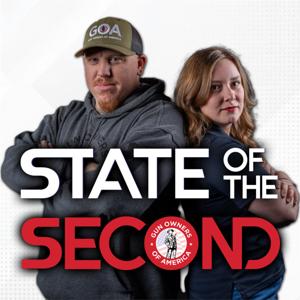


Freedom Ordnance's Josh joins John and Kaylee to talk about the new product the company brought to SHOT Show: a trigger actuating grip that works on the same principle as a Gatling gun. Josh walks through why the launch stalled. They had 1,000 units on the shelf with parts to make 5,000 and planned to launch around Black Friday, then found their insurance policy excluded the product. Digging in, they learned binary triggers, bump stocks, and anything over a 30-round magazine were all excluded too. It took until a January 5 soft launch to secure an insurance company that would cover it so retailers like Classic Firearms could carry it. Josh argues the firearms industry gets treated differently from others, pointing to merchant account and payment processor problems, and the conversation connects to a similar story from Matador Arms whose processor held $15,000 of orders as 'dangerous goods.'
The middle of the episode is about the regulatory whiplash gun makers live with. Josh describes building a category around the pistol brace after the ATF deemed it legal through an opinion letter, then watching that ruling reverse five years later. Kaylee lays out GOA's text, history, and tradition approach and points listeners to the GOF YouTube channel for proof that braced firearms existed before the country did. They dig into how the ATF tech branch is staffed by lawyers rather than people who have manufactured firearms, the SBR and pin-and-weld rules that trip up new owners, and Josh's realization mid-episode that Freedom Ordnance should put clearer legal education at the point of purchase on its website.
The back half turns to growth and activism. John cites a figure that the industry markets to roughly 10% of the market and frames the other 90%, the new gun owners from 2020 and 2021, as untapped potential. Kaylee and Josh argue education is the on-ramp: ignorance is a curable disease, and new owners are the ones bringing friends to the range. Josh extends the point to people outside the firearms world, noting the ATF also covers alcohol, tobacco, and explosives, and that a freedom taken from anyone is a freedom that can be taken from you. With an election year ahead, they push local elections, GOA's candidate grades at gunners.org, snail-mail postcards, phone calls, and staying polite while sticking to the facts. Josh closes with where to find Freedom Ordnance and notes they're working to get a YouTube channel back up.
Josh describes a trigger actuating grip that Freedom Ordnance brought to SHOT Show, which works on the same principle as a Gatling gun. He presents it as a legal product, and the company secured insurance coverage so retailers like Classic Firearms could carry it.
Freedom Ordnance planned to launch around Black Friday with 1,000 units on the shelf and parts to make 5,000, but found its insurance policy excluded the product. It took until a January 5 soft launch to secure an insurer that would cover it.
Beyond the new grip, the policy excluded binary triggers, bump stocks, and anything over a 30-round magazine. Josh frames this as part of how the firearms industry gets treated differently, citing merchant account and payment processor problems.
Josh built a product category around the pistol brace after the ATF deemed it legal through an opinion letter, then watched that ruling reverse five years later. He uses it as an example of the regulatory whiplash gun makers live with.
Kaylee lays out Gun Owners of America's text, history, and tradition approach and points listeners to the GOF YouTube channel as proof that braced firearms existed before the country did.
Josh argues the ATF tech branch is staffed by lawyers rather than people who have actually manufactured firearms. He connects this to confusing SBR and pin-and-weld rules that trip up new owners.
John cites a figure that the industry markets to roughly 10% of the market, leaving the new owners from 2020 and 2021 as untapped potential. Josh and Kaylee argue education is the on-ramp, since new owners are the ones bringing friends to the range.
With an election year ahead, they push local elections, Gun Owners of America's candidate grades at gunners.org, snail-mail postcards, and phone calls, all while staying polite and sticking to the facts.
Josh is with Freedom Ordnance, a firearms manufacturer that has been a Gun Owners of America partner for about five years and has signed every No Compromise alliance letter GOA has sent. He grew up in California, where he says he knew nothing about firearms because the state is so restrictive, and he says he will be 44 in April. Before the firearms industry he worked in jewelry and web development. Freedom Ordnance is based in Indiana, about 10 minutes from the Kentucky border.
Dead Air's Mike Pappas joins State of the Second hosts John and Kaylee to clear up what most people get wrong about suppressors, starting with the Hollywood myth that they make a gun whisper-quiet. As Pappas puts it, that sound is "a made up sound effect." He walks through the real tradeoffs of owning a can, the added length, weight, heat, cost, and the wait time, and explains why the benefits still win out: hearing protection, a better shooting experience, and being a more considerate neighbor at the range.
Pappas shares how he got into the industry. He started as an auto mechanic who was always into guns, managed a gun store in Salt Lake, was one of the original people who started SilencerCo where he spent about five years, and then launched Dead Air in 2014 with Eric Rogers, doing their first SHOT Show in 2015. He breaks down the regulatory reality of building suppressors under a manufacturing FFL with an SOT, the Form 2 and Form 3 paperwork, and the $200 stamp. He's candid that some of the rules don't make sense to him, but the company follows them to the letter.
The conversation turns political and cultural. Pappas and the hosts discuss the SHUSH Act and Senator Mike Lee's push to take suppressors off the NFA registry to Title One, what deregulation would mean for the market, and why suppressor hunting is expanding state by state. Kaylee makes the case that gun owner inaction is the real threat, pointing to record-setting comment campaigns against rules like the universal background check rule, the Green Tip ammo ban attempt, and the frame and receiver serialization push. They close on community: events like CanCon, Thunder Beast's open suppressor data gathering, and Red October, and the idea that video games and movies are an on-ramp that gets new people interested in the real thing. Pappas points listeners to deadairarmament.com.
Mike Pappas says the near-silent gunshot you hear in Hollywood is a made-up sound effect, and that a real suppressor is not anywhere close to that. A can reduces the report enough to protect hearing and improve the shooting experience, but it does not make a gun whisper-quiet.
Pappas was an auto mechanic who was always into guns, then managed a gun store in Salt Lake and became one of the original people who started SilencerCo, where he spent about five years. He launched Dead Air in 2014 with Eric Rogers and did the company's first SHOT Show in 2015.
A company builds suppressors under a manufacturing FFL with an SOT, files Form 2 and Form 3 paperwork, and the customer's transfer carries the $200 tax stamp. Pappas admits some of the rules don't make sense to him, but Dead Air follows them to the letter.
The SHUSH Act and Senator Mike Lee's push would take suppressors off the National Firearms Act registry and treat them as Title One items, removing the $200 stamp and the long wait. Pappas calls that wait the biggest barrier to entry for any silencer company, so deregulation would open the market.
Suppressor hunting is expanding state by state as more legislatures allow it, part of the broader shift toward treating cans as normal gear. Pappas frames suppressor use as being a more considerate, polite neighbor to your fellow shooters.
Host Kaylee argues that gun owner inaction is the real threat to the Second Amendment, and that record-setting comment campaigns beat back rules like the universal background check rule, the Green Tip ammo ban attempt, and the frame and receiver serialization push.
The episode discusses how new gun owners are skipping ahead to suppressors and higher-end gear rather than working up to them slowly. Video games and movies act as an on-ramp that gets new people interested in the real thing.
Events like CanCon and Red October, along with Thunder Beast's open gathering of suppressor data, let people try cans firsthand and build community around them. Pappas points listeners to deadairarmament.com to learn more about Dead Air.
Mike Pappas is from Dead Air, a suppressor company he started in 2014 with Eric Rogers; the company did its first SHOT Show in 2015. He was one of the original people who started SilencerCo, where he spent about five years. Before that he made his living as an auto mechanic, was always into guns, and got into the firearms business by managing a gun store in Salt Lake. He is based in Utah and runs a small YouTube channel of his own. Dead Air's website is deadairarmament.com.
State of the Second host Kaylee and her co-host sit down with Ben, the CEO and founder of Otter Waiver, to talk through one of the quieter fights in the firearms industry: getting a marketing message to land at all. Ben explains how his company grew from a digital waiver tool into Otter Technologies, adding Otter Text after gun ranges and retailers kept getting kicked off mainstream texting platforms. He built the texting product in 2022, and when carriers and big providers started dropping firearms businesses in 2023, his company became one of the few solutions still standing in the space.
Much of the conversation digs into who actually sets the rules. Ben breaks down that compliance runs at the federal level through the TCPA and the CTIA, then again at the carrier level, where companies like T-Mobile, Verizon, AT&T, and Sprint enforce their own terms of service. He argues the recent T-Mobile changes mostly followed fines the CTIA had already set, and that the real shift was carriers wanting to audit and approve traffic before it goes out. His core message: the idea that you can't say 'gun' or 'ammo' in a text is false. Follow the regulations, age-gate the website, register the campaign on a 10DLC number, and restrict to 21 and up, and a business can advertise firearms directly. He points to a husband-and-wife e-commerce shop that spends about $30,000 a year on text and pulls in 2.4 million, and a client who canceled radio ads after keyword tracking proved no return.
The hosts widen the lens to data privacy and platform suppression. Ben describes refusing to store serial numbers or trackable data tied to a person, and Kaylee ties that to ATF record collection and de facto registries. They also cover shadow banning on Meta, the difficulty of even being found on Instagram, and the recent moves by X and Rumble to approve firearms advertising. Ben presses GOA to fight to lower the federal age threshold from 21 to 18, and notes his company donates 1% of revenue to 2A causes.
Starting in 2023, carriers and big providers began dropping firearms businesses from mainstream texting platforms, leaving Otter Text as one of the few solutions still serving gun ranges and retailers in the space.
Both. Compliance runs at the federal level through the TCPA and the CTIA, and then again at the carrier level, where T-Mobile, Verizon, AT&T, and Sprint enforce their own terms of service.
Yes. Otter Waiver's founder says the idea that you can't say 'gun' or 'ammo' in a text is false. Follow the regulations, age-gate the site, register the campaign on a 10DLC number, and restrict to 21 and up, and a business can advertise firearms directly.
Age-gate the website, register the campaign on a 10DLC number, and restrict messaging to 21 and up. The recent T-Mobile changes mostly followed fines the CTIA had already set, with carriers now wanting to audit and approve traffic before it goes out.
Compliance currently requires restricting firearms texting to 21 and up. Otter Waiver's founder presses Gun Owners of America to fight to lower the federal age threshold from 21 to 18.
Otter Waiver's founder points to a husband-and-wife e-commerce shop that spends about $30,000 a year on text and pulls in $2.4 million, and a client who canceled radio ads after keyword tracking proved no return.
Otter Waiver refuses to store serial numbers or trackable data tied to a person, which the hosts connect to ATF record collection and concerns about de facto registries.
The episode covers shadow banning on Meta and the difficulty of even being found on Instagram, alongside recent moves by X and Rumble to approve firearms advertising.
Ben is the CEO and founder of Otter Waiver, now part of Otter Technologies, which also runs Otter Text, a texting product built for the firearms space. He got into shooting sports through 4H around age 6, growing up on three acres and shooting bows and guns from a young age. He has a background of about 12 years in marketing and advertising. He built the texting product in 2022, and says his company became one of the few text marketing solutions in the firearms industry after carriers and providers began dropping gun ranges and retailers. He spoke at Shot University during SHOT Show. His company donates 1% of its revenue to fight for 2A rights. [VERIFY last name]
State of the Second sits down with Jordan from Kill Flash Photography, an engineer turned firearms content creator who built a marketing business out of taking photos of guns. Jordan came up in the defense contracting world, decided he was being too technically minded, and bought a camera. He started an Instagram he never expected to run, since he hated Facebook and didn't even have a personal account before that. About five years later he shoots content and does marketing for a range of companies in the industry, and he has started his own mechanical design business to bring firearms accessory products to market. The company is Republic of Arizona Research, Razor for short.
Much of the conversation is about the people. Jordan and John met through content work, talked for hours by phone and message, and felt like old friends the first time they met in person at the GOA booth at SHOT Show. Jordan describes the 2A industry as people from very different backgrounds who hover around one centerpiece and find common ground. He credits a no-gatekeeping culture for his own start, where established creators shared camera settings, flash setups, and technique freely. When Meta's shadow banning and censorship hit, creators built a private collaboration group so they could share posts and lift each other up. Jordan's view: the only way anyone grows is together, high tides raise all ships.
The back half turns to policy. The hosts walk through GOA's recent California roster win that added guns like the Hellcat and the 365, the pistol brace injunctions, and the still-pending bump stock case, and they tie each one to real economic impact, citing a billion-plus dollars tied to pistol braces. Kaylee lays out her framework that culture sits upstream of politics, politics upstream of the industry, and the industry upstream of the individual gun owner, which is why creators fighting the culture war on platforms that don't want them there matters. They warn that gun control gets buried deep inside unrelated bills under a vote-now-read-later culture, praise GOA's Federal Affairs team for sifting through thousand-page bills, and push listeners to research candidates rather than vote by the letter next to a name. The episode closes with a call to pick up a camera, join the community, and use the 2024 election to be heard.
Jordan came up in defense contracting, decided he was too technically minded, and bought a camera to get more artistic. He started an Instagram he never expected to run, and about five years later he shoots content and does marketing for companies across the firearms industry.
Jordan describes the Second Amendment community as people from very different backgrounds who gather around one centerpiece and find common ground. His view is that the only way anyone grows is together, a high tide that raises all ships.
When Meta's shadow banning and censorship hit, creators built a private collaboration group to share posts and lift each other up. The idea is that supporting each other's content is how they keep growing on platforms that work against them.
It is a private collaboration group creators formed in response to Meta's shadow banning and censorship. Members share each other's posts and support one another so their content can still reach people despite platform suppression.
Jordan credits a no-gatekeeping culture, where established creators freely shared camera settings, flash setups, and technique. That openness let him learn the craft and build his own following.
Gun Owners of America's California roster win added guns like the Hellcat and the 365 back to what residents can buy, and the pistol brace injunctions carried real economic weight, with the hosts citing more than a billion dollars tied to braces.
Gun control often gets buried deep inside unrelated bills under a vote-now-read-later culture. GOA's Federal Affairs team sifts through thousand-page bills to find those provisions before they pass.
The episode urges voters to research candidates rather than vote by the letter next to a name. Jordan's point is that you need to know who you are voting for and what they truly stand for, not just their party.
Jordan is the creator behind Kill Flash Photography and, by trade, an engineer who spent time in the defense contracting world. He has said he felt too technically minded and wanted to branch out and get artistic, so he bought a camera and started an Instagram, having never used one before. About five years in, he shoots content and does marketing for a range of companies throughout the firearms industry, and he has started a small business doing his own mechanical design to bring firearms accessory products to market, called Republic of Arizona Research (Razor for short). He works at the Hub in Arizona.
Ari from Primary Weapon Systems and Lone Wolf joins State of the Second for a wide-ranging conversation about the human side of the firearms industry. Ari opens with a backstory he says he was once too ashamed to share. He dropped out of high school at 16 to help his family after his stepfather left and his mother was diagnosed with breast cancer. He ran the family business importing goods from the Philippines, including garden gnomes and incense, sold around downtown Seattle, and built an early website on GeoCities. He rebounded and sold that business, then spent 11 years in technology and telecommunications, finishing as a senior business development manager who led teams of engineers building databases.
His path into firearms started with shooting sports. A fishing friend introduced him to IDPA, he fell in love with it, won a state championship in his first year, became a club president and safety officer, and sat on a council board representing the shooting sports. He left a nearly six-figure tech salary to take a $10-an-hour job at Rainier Arms under owner John Huang, starting by cleaning toilets and answering customer emails at midnight. Over 12 to 13 years he became the company's buyer, worked with more than 400 brands, and built a reputation for cross promotion and for finding small up-and-coming companies in the dungeon, or basement, of SHOT Show. He helped launch TriggerCon, which grew from a parking-lot grand opening to a full convention, added a VIP party, and partnered with the PTSD Foundation. After a stint as director of strategy at Aero Precision and a layoff that came a few weeks after losing his mother, he was hired by Nate Treadaway to run marketing for Primary Weapons and Lone Wolf.
The back half of the episode turns to humanizing gun owners. Ari talks about taking gymnastics parents and coaches to the range, teaching their kids proper mechanics with a suppressed .22, and proving to the City of Bellevue that firearms consumers are doctors, lawyers, fathers and mothers, not the caricature the media paints. He and the hosts agree that activism starts at home, that real change comes from educating the people around you rather than waiting for someone online to change minds, and that competition and innovation keep firearms accessible to first-time buyers. Ari also lays out the structural challenges of running a firearms business, from payment processors that drop you and banks that won't lend, to social media algorithms that bury your content, and why events and community have become the way the industry reaches its customers.
At 16 he dropped out of high school to run his family's import business after his stepfather left and his mother was diagnosed with breast cancer, bringing in goods like garden gnomes and incense from the Philippines. He later sold it and spent 11 years in technology and telecommunications.
He had fallen in love with the shooting sports through IDPA and followed that passion into the industry, starting at the bottom under Rainier Arms owner John Huang by cleaning toilets and answering emails at midnight. Over 12 to 13 years he became the company's buyer and worked with more than 400 brands.
Ari helped launch TriggerCon at Rainier Arms, where it started as a parking-lot grand opening and grew into a full convention. It later added a VIP party and partnered with the PTSD Foundation.
Firearms companies face structural hurdles other businesses do not, including payment processors that drop them, banks that will not lend, and social media algorithms that bury their content. Those constraints have pushed the industry to rely on events and community to reach customers.
After serving as director of strategy at Aero Precision and being laid off just weeks after losing his mother, he was hired by Nate Treadaway to run marketing for Primary Weapons and Lone Wolf.
Ari brought gymnastics parents and coaches to the range and taught their kids proper mechanics with a suppressed .22, showing a city government that firearms consumers are doctors, lawyers, and parents, not a media caricature. He argues real change starts at home by educating the people around you.
Ari frames it around people, product, and process. In the episode he ties that to relationships and service, noting that the kind of person you meet is the same person you will know ten years later.
As Rainier Arms' buyer he built a reputation for cross promotion and for finding small, up-and-coming brands in the dungeon, or basement, of SHOT Show. He sees competition and innovation as what keeps firearms accessible to first-time buyers.
Ari is the senior director of marketing for Primary Weapons and Lone Wolf, brands owned by a company led by Nate Treadaway, who acquired Primary Weapons. He dropped out of high school at 16 to help run his family's import business after his stepfather left and his mother was diagnosed with breast cancer. He later spent 11 years in technology and telecommunications, finishing as a senior business development manager who led teams of engineers. He got into the firearms industry at Rainier Arms under owner John Huang, where over 12 to 13 years he became the company's buyer, worked with more than 400 brands, and helped start the firearms event TriggerCon. He also spent time as director of strategy at Aero Precision before joining Primary Weapons. He has been married for 23 years and has three children. He comes from a military family.
John and Kaylee sit down at SHOT Show with Josh from AR15.com (arfcom) for a candid look at how the largest gun forum online came to be and what it does now. Josh walks through the full history. Before social media, everything lived in forums, and arfcom started as a group of friends who liked owning ARs. It grew out of an email list of roughly a thousand people doing group buys with companies like Rock River Arms and Armalite, then became an actual website so people could communicate. PSA was born on arfcom, and the first Magpul magazine ever sold was sold there. The company was officially founded in 1996 by the Avilas, two brothers. After one of the founders died around 2019, a holding company Josh refers to as Second Adventure Group (2AG), with Pete Brownell on its board, acquired the intellectual property, while the Avilas stayed involved. Josh's paycheck says Brownells, but they give arfcom a long leash to stay unapologetically pro-2A, because that autonomy is what makes the community valuable.
Josh describes the forum as user-generated and largely anonymous, pulling 2 to 3 million unique sessions a month through SEO and live discussion. He pushes back on being called an influencer. The forum members are the voice, not him, and arfcom exists to amplify that voice and connect the community to the industry. The hosts and Josh trade what their real days look like behind the glamour of SHOT Show: early mornings, back-to-back meetings, filming, and networking until 2 a.m., plus the 80-hour weeks that come with caring about the work. Josh shares the personal story that changed his view of the Second Amendment. A drug deal outside his cheap college apartment left his girlfriend in danger, and he realized no knife, jiu jitsu, or pepper spray would have saved them without a firearm. He later spent four years as a police officer in Arlington, Texas, ending in 2021, where watching people unable to protect themselves shaped his belief that the right to bear arms is about sovereignty and not handing the government a monopoly on violence.
The back half turns to advocacy. Kaylee makes the case for why a $25 GOA membership matters. Pooled across millions of members, that money funds real legal action, including suing the ATF, and GOA's finances are transparent through its 990. Josh frames GOA as a mechanism for ordinary people to influence policy the way super PACs do for the wealthy. The hosts and Josh agree litigation moves the needle in a way protest signs do not, but Kaylee adds that grassroots pressure matters too, naming the levels of activism from keyboard warrior to email, phone, postcard, and showing up to testify at a committee or attend GOA's lobby day. They close on how 2020 turned former anti-gun Americans into new gun owners, why the no-compromise position holds the line, and Josh's parting ask to convert at least one person to take the conversation seriously.
AR15.com began before social media, when firearms discussion lived on forums and a group of friends who liked owning ARs ran group buys with companies like Rock River Arms and Armalite. That email list of roughly a thousand people became a website so the community could actually communicate.
AR15.com was officially founded in 1996 by the Avila brothers.
After one of the founders died around 2019, a holding company Josh calls Second Adventure Group, with Pete Brownell on its board, acquired the intellectual property while the Avilas stayed involved. Josh's paycheck says Brownells, but arfcom keeps a long leash to stay unapologetically pro-Second Amendment.
Josh pushes back on being called an influencer because the forum is user-generated and largely anonymous, and the members themselves are the voice. He sees arfcom's job as amplifying that community and connecting it to the industry, not following any one personality.
The forum pulls 2 to 3 million unique sessions a month through SEO and live discussion.
Pooled across millions of members, a $25 Gun Owners of America membership funds real legal action, including suing the ATF, and GOA's finances are transparent through its 990. Josh frames it as a way for ordinary people to influence policy the way super PACs do for the wealthy.
Josh and the hosts agree litigation moves the needle in a way protest signs do not, with Josh describing it as burying opponents in lawsuits rather than holding a picket sign. Kaylee adds that grassroots pressure still matters alongside the legal fights.
Kaylee describes a ladder of activism from keyboard warrior up through email, phone calls, and postcards, to showing up in person to testify at a committee or attend Gun Owners of America's lobby day.
Josh handles marketing and management for AR15.com (arfcom), where he has worked for about two years and now runs the brand's YouTube presence. His paycheck is issued by Brownells, and his boss is Paul Stiles. Before arfcom, Josh was a police officer in Arlington, Texas, for four years, ending in 2021, and he was a personal trainer earlier in his early twenties. He is from Texas, is married, has dyslexia, and says he has suffered from PTSD. He describes himself as deeply involved in the firearms space and committed to the no-compromise Second Amendment cause.
John and Kaylee sit down at SHOT Show with Ken Ross of Primary Arms for a conversation that starts with optics and ends up somewhere bigger. Ken walks through his path into the industry: born in Michigan, he started as an instructor about ten or eleven years ago, realized he didn't know what he was doing, took classes from a number of talented people, then worked for Athlon Outdoors magazine and Century Arms before Primary Arms made him an offer he couldn't refuse. He lays out the company's five business units, optics, the .com site, the government division, Expo Arms parts, and wholesale, and tells the story of founder Marshall Lerner starting the company out of his barbershop after being challenged on a forum to build affordable optics.
The middle of the episode is a product tour from the show floor. Ken covers the new releases: the flagship 1 to 8 compact, a 1 to 10 with the bright Nova reticle, two push-button red dots with user-configurable reticles (one with a solar backup), the GLX microprism, and the RS15, the first pistol optic with the Vulcan reticle and its 250 MOA circle that guides a shooter back to center when the dot drifts off target. He also explains why every single box gets opened and inspected before it ships, even though it costs the company time, and he addresses the sourcing question directly, including the new Houston building where Primary Arms plans to produce US-made optics.
From there the talk widens into the title idea. Ken says if you can take away the Second Amendment, the 13th is in danger. The hosts and Ken dig into hunter education leaving schools, youth shooting sports being cut, parents stepping back from school boards, and a culture that has drifted away from hunting as a normal part of life. They close on the firearms community itself: a small, tight-knit world where competing brands co-market, people remember the small details, and SHOT Show is less about guns than about like-minded people who value their families and their friends.
Ken Ross started as an instructor about ten or eleven years ago, took classes from talented people, then worked for Athlon Outdoors magazine and Century Arms in Florida. Primary Arms later made him an offer he couldn't refuse.
Primary Arms runs five business units: optics, the .com retail site, a government division, Expo Arms parts, and wholesale.
Founder Marshall Lerner started Primary Arms out of his barbershop after being challenged on a forum to build affordable optics.
Primary Arms showed a flagship 1 to 8 compact, a 1 to 10 with the bright Nova reticle, two push-button red dots with user-configurable reticles (one with a solar backup), the GLX microprism, and the RS15 pistol optic.
The RS15 is the first pistol optic with the Vulcan reticle, whose 250 MOA circle guides a shooter back to center when the dot drifts off target.
Primary Arms opens every box, inspects the optics, and stamps them before shipping for quality control, even though Ken Ross acknowledges it costs the company time.
Ken Ross addresses sourcing directly and points to a new Houston building where Primary Arms plans to produce US-made optics.
Ken Ross argues that if the Second Amendment can be taken away, the 13th Amendment, which abolished slavery, is in danger, tying an armed citizenry to protection from that kind of subjugation.
Ken Ross works at Primary Arms and was born in Michigan. He started in the firearms industry around ten or eleven years ago as an instructor, then took classes from a number of talented people before working for Athlon Outdoors magazine for a couple of years and later for Century Arms in Florida. He joined Primary Arms after they made him an offer he couldn't refuse and calls it one of the most enjoyable jobs he's had. He previously worked in the automotive industry. [VERIFY title/role at Primary Arms]
Rachel from Night Fision joins State of the Second and clears up the name first: people hear it and assume night vision, but the company makes sights, not night vision optics. Night Fision builds tritium iron sights and optics-ready backup sights, and Rachel argues they make the best sights on the market. She traces the company's roots to Kamenga, which has been around a little over 30 years and produces the compass used by the US military, and explains that Night Fision took that experience selecting and inserting tritium and applied it to firearm sights. The conversation covers why sights matter more than most new owners think, how tritium is regulated by the NRC even though it is safe, and why the company leans on hot yellows and oranges for front sights based on how human eyes see color.
The discussion moves into practical guidance for new gun owners. Rachel walks through how to tell whether a gun can even accept aftermarket sights, why tritium in both the front and rear is the right starting point, and why a choice like a blacked-out rear comes later, after experience. She and the hosts spend real time on the value of building a relationship with a local gun shop, asking questions without embarrassment, and not relying on Google or YouTube alone when you do not yet have a way to tell good information from bad. The conversation also gets into the manufacturing reality of dovetail tolerances, why sights have to stay put on a slide cycling under heavy force, and a shared wish that the industry would settle on standardized sight footprints and optics patterns.
The back half turns to the second amendment fight. GOA's lawsuit over the zero-tolerance policy frames a larger point: gun stores are frontline workers for the community, providing education, maintenance, and a place to ask questions, and shutting them over a clerical error harms law-abiding owners rather than criminals. Rachel, a firearms instructor in New York, gives a firsthand account of life after Bruen. She describes the state's strong reaction, new permit requirements of 16 classroom hours plus two range hours, expanded restrictions on where you can carry, and the ongoing court fights to win some of those locations back. She pushes back on the wild west narrative and on the caricature of who gun owners are, then closes with where to find Night Fision, Glow Rhino, and Kamenga online.
Despite the name, Night Fision does not make night vision optics. The company makes firearm sights, specifically tritium iron sights and optics-ready backup sights.
Night Fision traces its roots to Kamenga, a company that has been around a little over 30 years and produces the compass used by the US military. Night Fision took Kamenga's experience selecting and inserting tritium and applied it to firearm sights.
Rachel of Night Fision is clear that tritium itself is safe, so safety is not the reason it falls under regulation. The Nuclear Regulatory Commission oversees tritium in firearm sights even though it poses no danger to the user.
Night Fision leans on hot yellows and oranges for front sights because of how the human eye perceives color. Those colors are easier for the eye to pick up quickly, which helps the shooter find the front sight.
First confirm the gun can even accept aftermarket sights. Rachel recommends starting with tritium in both the front and rear, and saving choices like a blacked-out rear for later once you have more experience.
A blacked-out rear is a later choice that comes after experience, not a starting point. New owners are better served by tritium in both the front and rear before moving to that setup.
Rachel, a firearms instructor in New York, says the state reacted strongly after Bruen with new permit requirements of 16 classroom hours plus two range hours, along with expanded restrictions on where people can carry. Court fights are ongoing to win some of those locations back.
Gun Owners of America (GOA) treats gun stores as frontline workers that provide education, maintenance, and a place to ask questions. Its lawsuit over the zero-tolerance policy argues that shutting a store over a clerical error harms law-abiding owners rather than criminals.
Rachel represents Night Fision, a company known for tritium iron sights and optics-ready backup sights. [VERIFY] Night Fision shares ties with Kamenga, which has been around a little over 30 years and produces the compass used by the US military, and with Glow Rhino, which makes tritium EDC products such as fobs and knife scales. Rachel is a firearms instructor who lives in New York and teaches beginner classes. She has said her background is not law enforcement or military; she went to art school and spent almost 15 years working in Manhattan. [VERIFY: Rachel's last name and exact title at Night Fision]
CZ-USA's Daniel joins John and Kaylee to make the case that the Second Amendment was never about hunting, even as hunting becomes one of the strongest on-ramps into gun ownership. With about nine years at CZ, Daniel walks through a product line that covers pistols, competition pistols, rimfire and centerfire rifles, and shotguns, and, after recent acquisitions, AR-platform rifles and revolvers through Colt plus ammunition through Sellier & Bellot. He explains why CZ runs both imported and domestically made products, the army of FFL licenses and compliance work that takes, and how a worldwide company based in the Czech Republic still treats the US as its biggest market.
The conversation digs into how the market has shifted. The old path into guns ran through a dad or grandpa who hunted; now a lot of people shoot their first gun at 25 and come in through self-defense or competition. Daniel describes the COVID-era surge in hunting and the clean-food movement, the resilience of the gun-owning community, and why CZ's wide line lets the company pivot when regulation hits one category like the pistol brace rule on the Scorpion. He and the hosts push back on the idea that hunters and tactical owners are separate camps, pointing to the Pittman-Robertson excise tax as proof that competition and tactical buyers already fund conservation.
Daniel also gets candid about why products slip. The DWX is the case study: suppliers were lined up and working guns were in hand until a key-component supplier went out of business during COVID, sending development back to square one. He explains CZ's testing bar, including taking a competition pistol to 50,000 rounds, and the push-and-pull of launching at SHOT Show without shipping vaporware. The episode closes on the Colt acquisition and its history, the value of staying in Connecticut for the workforce and a voice in a tough state, the decline of the skilled trades, retro designs like the Python and Cobra, and where to find CZ, Colt, and Dan Wesson online.
Daniel and the hosts argue the divide is a myth, since competition and tactical buyers already fund conservation through the Pittman-Robertson excise tax. CZ-USA's wide product line spans both worlds, from hunting rifles and shotguns to competition pistols and AR-platform firearms.
CZ-USA runs both imported and domestically made products, which requires an army of FFL licenses and heavy compliance work. As a Czech Republic company, it treats the US as its biggest market while managing both sides of that operation.
Suppliers were lined up and working guns were in hand until a key-component supplier went out of business during COVID. That sent the DWX's development process back to square one.
The old route ran through a dad or grandpa who hunted, but now many people shoot their first gun around age 25 and enter through self-defense or competition. Hunting still works as one of the strongest on-ramps into gun ownership.
The Pittman-Robertson excise tax means competition and tactical buyers already fund conservation, not just hunters. Daniel and the hosts cite it as proof that the supposed split between hunters and tactical owners does not hold up.
CZ acquired Colt as part of expanding its line into AR-platform rifles and revolvers, including retro designs like the Python and Cobra. Staying in Connecticut preserves the skilled workforce and gives the company a voice in a tough state.
Daniel rejects the old 'pink it and shrink it' approach to reaching women and smaller shooters. He stresses that real product development needs someone with genuine passion driving decisions, not just a swap of color or barrel length.
CZ takes a competition pistol to 50,000 rounds as part of its testing bar. Daniel also describes the discipline of launching at SHOT Show without shipping vaporware before a product is truly ready.
Daniel is a product manager at CZ-USA who handles the company's rifles and shotguns, with a focus on hunting and target shooting. He has been with CZ for about nine years and is a hunter and shooter himself, processing his own game. He notes that CZ acquired Colt about two years ago and recently picked up Sellier & Bellot in the Czech Republic, and he has taught concealed carry classes [VERIFY]. His exact job title and any social media handles were not stated in this episode.
Print Shoot Repeat, the masked YouTube creator known as PSR, joins State of the Second at Shot Show to talk about how 3D printed firearms became his life's work. He explains that he wasn't an avid gun owner before the pandemic. He owned a skeet-shooting shotgun, then bought home defense guns after a neighbor going through a mental health crisis made threatening comments. Taking apart his Glock to clean it sparked a fascination with how firearms work as machines. After watching a documentary about Jay Stark, a designer testing the FGC9 in Europe where it's illegal, he bought a printer, printed a Glock, filmed himself shooting it, and saw the video hit 20,000 views in a week. The channel grew from there, built on light-hearted gun reviews and original music videos like the HK Slap tribute and the 'Glong.'
The conversation digs into the legal and cultural fight around privately manufactured firearms. PSR makes the case that making your own gun is older than the country and federally legal in most states, though Washington, California, New Jersey, New York, and Maryland restrict it. He breaks down California's rule requiring a serialized 3.5 ounce steel piece embedded so the gun is inoperable if it's removed, and notes a fan who legally submitted five serialized printed guns there before the law changed. GOA's co-host pushes back on the 'ghost gun' label as fear-driven propaganda, and PSR points out that articles from outlets like Sky News and the Washington Post have roped him in as a right wing extremist, which he says he is not.
PSR also covers the censorship side: YouTube's terms ban teaching people how to make a firearm, he's carried two strikes (one away from removal), and he now avoids even saying '3D printing,' calling it 'squirting' instead. GOA's co-host lays out the legislative stakes, including the Undetectable Firearms Act funding set to expire March 8 and GOA's letter urging Congress not to refund it. The episode closes on a plea for less division. PSR describes a day shooting in the desert with friends from opposite political spectrums and argues that even reaching people who don't like guns is a step in the right direction.
He wasn't an avid gun owner before the pandemic, but cleaning his Glock sparked a fascination with how firearms work. A documentary about designer Jay Stark led him to buy a printer, print a Glock, and film himself shooting it; the video hit 20,000 views in a week and the channel grew from there.
Print Shoot Repeat says making your own gun is older than the country and federally legal in most states. Washington, California, New Jersey, New York, and Maryland restrict it; California, for example, requires a serialized 3.5-ounce steel piece embedded so the gun is inoperable if it's removed.
Print Shoot Repeat keeps his identity hidden behind a mask, performing under the PSR persona while filming most of his own videos. The episode discusses the mask alongside the media attention and the right-wing-extremist labels outlets have tried to attach to his work.
The FGC9 is a 3D printed firearm associated with designer Jay Stark, the subject of a documentary about testing the gun in Europe where it's illegal. Watching that documentary is what pushed Print Shoot Repeat to buy a printer and start the channel.
Gun Owners of America's co-host argues the 'ghost gun' label is fear-driven propaganda rather than an honest description of privately made firearms. Print Shoot Repeat adds that outlets like Sky News and the Washington Post have wrongly cast him as a right-wing extremist, which he says he is not.
YouTube's terms ban teaching people how to make a firearm, and Print Shoot Repeat has carried two strikes, one away from removal. To avoid triggering the rules he no longer says '3D printing' on his channel, calling it 'squirting' instead.
Funding tied to the Undetectable Firearms Act was set to expire on March 8, and Gun Owners of America (GOA) sent a letter urging Congress not to refund it. The episode frames the act as a key legislative stake in the fight over privately manufactured firearms.
The episode covers how firearms companies use 3D printing in their products, placing PSR's home-built work within a broader industry that already relies on the technology. The summary does not detail specific company applications beyond noting the topic is covered.
Print Shoot Repeat, known online as PSR, is a masked YouTube creator who has run his channel for about three years and focuses primarily on reviews of 3D printed guns. He says he wasn't an avid gun enthusiast before the pandemic, when a threatening neighbor led him to buy home defense firearms; cleaning his Glock got him interested in how guns work as machines. He has a background in filmmaking and music, has played violin since childhood, films most of his videos himself, and produces original music including an HK Slap tribute and a track called the Glong, with an album planned for the year. He attended Finnish Brutality in Finland and says he lives in Nevada.
From the publisher's feed

227,534 Listeners
1,637 Listeners
882 Listeners
883 Listeners
872 Listeners
267 Listeners
8,914 Listeners
6,888 Listeners
5,859 Listeners

1,539 Listeners
436 Listeners

46,068 Listeners
1,324 Listeners

39,342 Listeners

89 Listeners