
Sign up to save your podcasts
Or


Send us Fan Mail
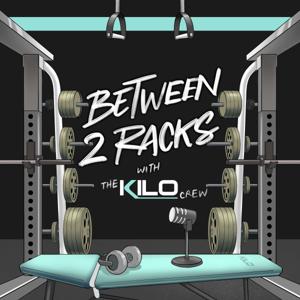
In this episode of Between 2 Racks, we break down how to set up your strongest and most productive year of training. With 2026 right around the corner, this is the perfect time to think about long-term planning, goal setting, and how your macrocycles should build on one another for real progress.
We talk through why goal hopping and constant program changes stall results, and how true progress comes from sequencing the right phases in the right order. You will hear how to transition out of the holiday season, how to decide when a fat loss phase actually makes sense, and how to use nutrition-driven fat loss versus metabolic training based on a client’s training age and skill level.
We cover how to assess movement limitations, how to use PAAB to build a foundation at the start of the year, when to reintroduce strength work, and how to think about macrocycles two, three, and four as you lead clients toward their peak. We also discuss relative strength testing, long-term phase potentiation, and why power training at the end of the year can set-up an even better start to the next one.
Whether you are coaching clients or planning your own training for 2026, this episode gives you the frameworks, decision rules, and practical sequencing you need to create your best year of strength development.
If you want structured programming for your own training, check out our TrainHeroic programs like Mass Avenue, Burn Borough, Tempo Town, and Intensity at trainkilo.com
00:00 Setting Up for Your Best Year of Strength Training
00:54 The Problem with Program Hopping
02:29 Sequencing Training Phases Correctly
04:36 Planning Around Fat Loss Phases
08:27 Starting with Movement Assessment
10:51 Why Body Composition Matters First
14:27 Considering Training Age and Client Goals
17:42 Using PAB as Foundation Training
19:56 Linear Progression for Year Long Success
23:13 Long Term Periodization Benefits
26:28 Training to Stay Jacked
31:14 Maintaining Proximity to Peak Condition
36:37 Building Foundation in Phase One
39:32 Linear vs Undulatory Approaches
42:22 Assessing Relative Strength
47:37 The Importance of Getting Stronger
50:41 Benefits of Power Training
55:21 Reactive Periodization for Gen Pop Clients
1:01:05 Tracking Client Readiness
Stay Connected with KILO:
Have a question? Submit it for a Rapid Fire episode.
Learn more at trainkilo.com
Follow KILO on Instagram and YouTube.
 View all episodes
 By KILO Education
5
1717 ratings
Send us Fan Mail
In this episode of Between 2 Racks, we break down how to set up your strongest and most productive year of training. With 2026 right around the corner, this is the perfect time to think about long-term planning, goal setting, and how your macrocycles should build on one another for real progress.
We talk through why goal hopping and constant program changes stall results, and how true progress comes from sequencing the right phases in the right order. You will hear how to transition out of the holiday season, how to decide when a fat loss phase actually makes sense, and how to use nutrition-driven fat loss versus metabolic training based on a client’s training age and skill level.
We cover how to assess movement limitations, how to use PAAB to build a foundation at the start of the year, when to reintroduce strength work, and how to think about macrocycles two, three, and four as you lead clients toward their peak. We also discuss relative strength testing, long-term phase potentiation, and why power training at the end of the year can set-up an even better start to the next one.
Whether you are coaching clients or planning your own training for 2026, this episode gives you the frameworks, decision rules, and practical sequencing you need to create your best year of strength development.
If you want structured programming for your own training, check out our TrainHeroic programs like Mass Avenue, Burn Borough, Tempo Town, and Intensity at trainkilo.com
00:00 Setting Up for Your Best Year of Strength Training
00:54 The Problem with Program Hopping
02:29 Sequencing Training Phases Correctly
04:36 Planning Around Fat Loss Phases
08:27 Starting with Movement Assessment
10:51 Why Body Composition Matters First
14:27 Considering Training Age and Client Goals
17:42 Using PAB as Foundation Training
19:56 Linear Progression for Year Long Success
23:13 Long Term Periodization Benefits
26:28 Training to Stay Jacked
31:14 Maintaining Proximity to Peak Condition
36:37 Building Foundation in Phase One
39:32 Linear vs Undulatory Approaches
42:22 Assessing Relative Strength
47:37 The Importance of Getting Stronger
50:41 Benefits of Power Training
55:21 Reactive Periodization for Gen Pop Clients
1:01:05 Tracking Client Readiness
Stay Connected with KILO:
Have a question? Submit it for a Rapid Fire episode.
Learn more at trainkilo.com
Follow KILO on Instagram and YouTube.
26,250 Listeners

30,185 Listeners

4,469 Listeners

2,177 Listeners

7,995 Listeners
10 Listeners

3,032 Listeners

45,948 Listeners

29,207 Listeners

3,126 Listeners
581 Listeners

19,524 Listeners

1,196 Listeners
63 Listeners
6 Listeners