
Sign up to save your podcasts
Or

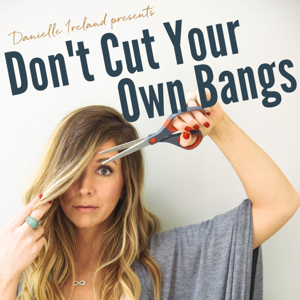

Stress symptoms you've been brushing off aren't flaws—they're messages. In this Don't Cut Your Own Bangs mini-series - Put Down the Panic: A Kinder Guide to Stress, therapist Danielle Ireland, walks through the quiet ways stress shows up (jaw clenching, gut flutters, broken sleep) and how a few gentle shifts can keep those whispers from turning into burnout—perfect timing as the holidays approach.
Here's the heart of it: your body is a messenger, not a problem. "The way your body is responding to stress is not failure—it is information." You also can't outrun stress—"Suppressed stress doesn't vanish." High thresholds only delay the crash. The good news? Tiny things work. A one-minute body-scan, a short walk or stretch, and a slow, deep breath can reset more than you think when you do them consistently.
Want ideas you can try today? Do a quick head-to-toe scan to notice tension, add a few minutes of gentle movement, and breathe slowly—simple box breathing (4-4-4-4) if that helps. These aren't grand gestures; they're steady, doable practices that add up.
Resources • The Treasured Journal (7-part guided journal + meditations) • Wrestling a Walrus For Little People with Big Feelings
Watch the show on YouTube
follow on Instagram
Stick around to the end for a reminder you'll want on repeat—and subscribe so you don't miss the final episode of this mini-series (there's a special audio-only gift inside). If this helped, a quick like, subscribe, and review helps more people find calm.
00:00 Why small signals matter
02:20 Common stress signs
08:50 Why we minimize
12:20 Hustle
 View all episodes
 By Danielle Ireland

4.9
3030 ratings
Stress symptoms you've been brushing off aren't flaws—they're messages. In this Don't Cut Your Own Bangs mini-series - Put Down the Panic: A Kinder Guide to Stress, therapist Danielle Ireland, walks through the quiet ways stress shows up (jaw clenching, gut flutters, broken sleep) and how a few gentle shifts can keep those whispers from turning into burnout—perfect timing as the holidays approach.
Here's the heart of it: your body is a messenger, not a problem. "The way your body is responding to stress is not failure—it is information." You also can't outrun stress—"Suppressed stress doesn't vanish." High thresholds only delay the crash. The good news? Tiny things work. A one-minute body-scan, a short walk or stretch, and a slow, deep breath can reset more than you think when you do them consistently.
Want ideas you can try today? Do a quick head-to-toe scan to notice tension, add a few minutes of gentle movement, and breathe slowly—simple box breathing (4-4-4-4) if that helps. These aren't grand gestures; they're steady, doable practices that add up.
Resources • The Treasured Journal (7-part guided journal + meditations) • Wrestling a Walrus For Little People with Big Feelings
Watch the show on YouTube
follow on Instagram
Stick around to the end for a reminder you'll want on repeat—and subscribe so you don't miss the final episode of this mini-series (there's a special audio-only gift inside). If this helped, a quick like, subscribe, and review helps more people find calm.
00:00 Why small signals matter
02:20 Common stress signs
08:50 Why we minimize
12:20 Hustle
2,537 Listeners

14,944 Listeners

69,574 Listeners

6,707 Listeners

165,276 Listeners

58,448 Listeners

13,084 Listeners

41,651 Listeners

10,591 Listeners

20,557 Listeners

3,480 Listeners

1,005 Listeners

10,523 Listeners

1,681 Listeners

12,829 Listeners